














E1 Bln Eswatini Water Supply project now at 85% towards completion
By Lwazi Dlamini
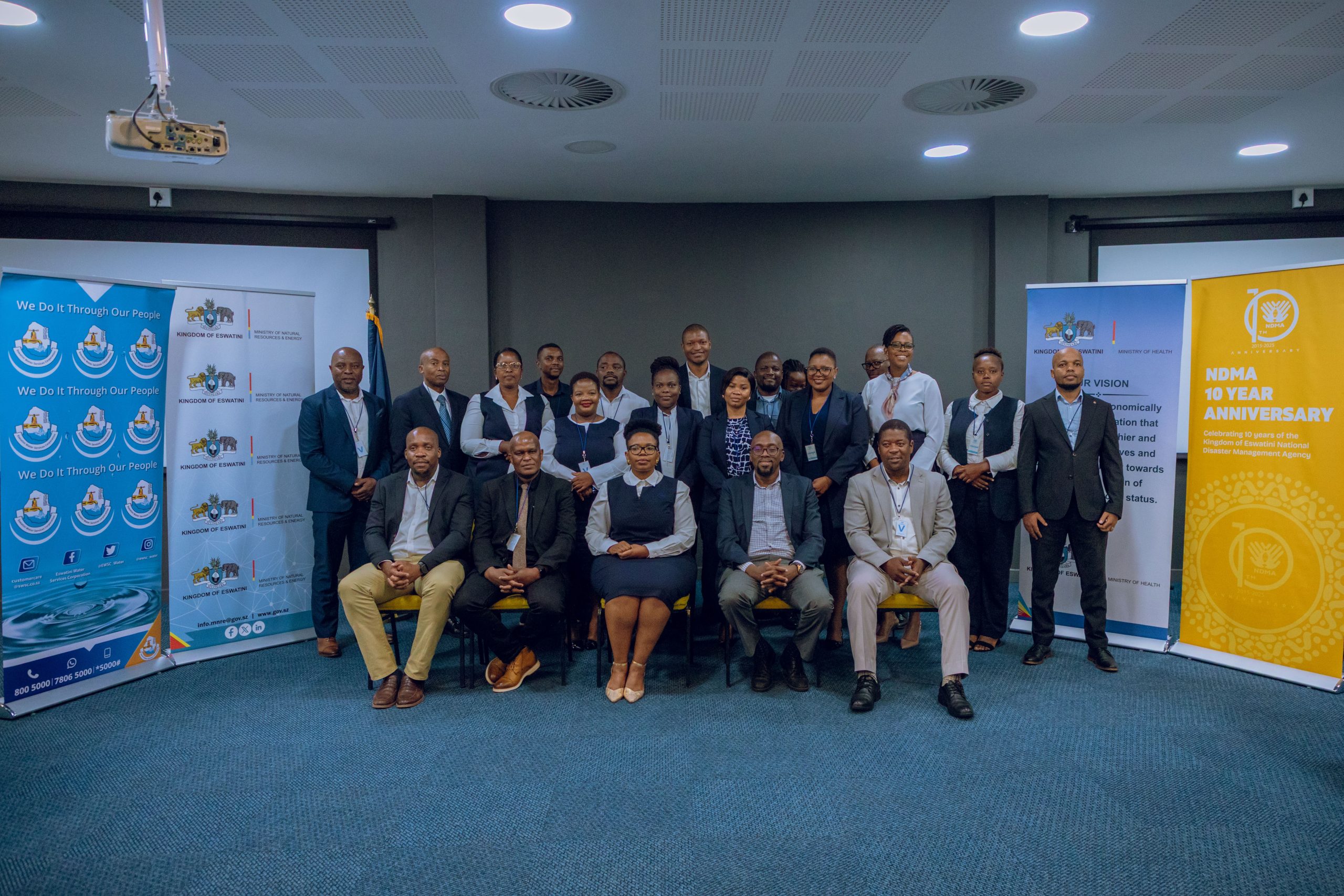
The E1 billion flagship Eswatini Water Supply and Sanitation Access Project (EWSSAP) designed to strengthen national water security and sanitation access for emaSwati is 85 per cent towards completion.
The water project under the Hosea, Shiselweni 1 and Zombodze will benefit 38 000 people while the sanitation project will be under Nhlangano and Hlathikhulu, informal settlements, Hosea, Shiselweni and Zombodze will benefit 7 806 households, three informal settlements, 36 schools and four clinics.
The Government of the Kingdom of Eswatini, together with the International Bank for Reconstruction and Development (IBRD) of the World Bank, signed a loan agreement amounting to US$59.2 million (about E1 billion) for the implementation of this project.
Of this total financing, US$53 million (about E901 million) is provided by the World Bank, while US$6.2 million (about E105.4 million) is contributed by the Government of Eswatini.

Delivering her presentation, Eswatini Water Services Corporation (EWSC) Project Engineer, Nobuhle Matsebula boldly stated that the Shiselweni region is making significant strides in improving sanitation and hygiene with the Eswatini Water Supply and Sanitation Access Project expected to reach completion in July 2026.
Matsebula said the sanitation component of the project aims to eliminate open defecation, improve hygiene and provide safe dignified sanitation facilities.
Acting Eswatini Water Services Corporation Managing Director Nomahlubi Matiwane said the financing structure of the project reflects both strong international partnership and firm domestic commitment.
“Government is not only a beneficiary of support, but an active co-investor in securing sustainable water and sanitation services for emaSwati.
This project is implemented by the Eswatini Water Services Corporation (EWSC) as the Project Implementing Lead under the Ministry of Natural Resources and Energy (MNRE), working in close collaboration with the Department of Water Affairs, the Ministry of Health – Environmental Health Department, and the National Disaster Management Agency,” Matiwane said.
Matiwane added: “Allow me to also acknowledge our valued funding partner, the World Bank, whose financial and technical support reflects a strong partnership grounded in sustainable development, resilience, and inclusive service delivery,”
Matiwane said the objective of the project is deliberate and forward-looking: to increase access to improved water supply and sanitation services in the Nhlangano – Siphambanweni corridor of the Shiselweni Region, while strengthening sector institutions and policy frameworks related to drought resilience, water resources management, and water, sanitation and hygiene services.
More specifically, she said the project seeks to achieve the following objectives:
Ensuring water security in the Shiselweni Region.
Providing potable water for domestic, institutional, and commercial consumption.
Providing sustainable sanitation.
Improving resilience in water management and drought preparedness.
“These objectives reflect a comprehensive approach in addressing infrastructure, equity, sustainability, and climate resilience simultaneously.
This is not simply about infrastructure. It is about safeguarding the dignity, health, and economic productivity of our people. It is about building systems that can withstand climate shocks and ensuring that no liSwati is left behind in accessing essential services,” she added.