
















Informal vendors report average sales at Luju
By Delisa Magagula
Informal vendors who set up stalls at this year’s Standard Bank Luju Food & Lifestyle Festival say sales were lukewarm despite a strong turnout.
While crowds filled the House on Fire grounds in Malkerns several traders reported only moderate profits and slower-than-expected customer spending.
“We made money, yes, but not as much as we expected with the number of people that were there,” said Nomcebo Mkhabela, who sold beadwork and handmade accessories.
“People were walking, looking, taking pictures… but not many were buying.” she said in addition.
Mkhabela said she made around E1,300 over two days, far less than the E3,000 to E5,000 she typically earns at large-scale events.
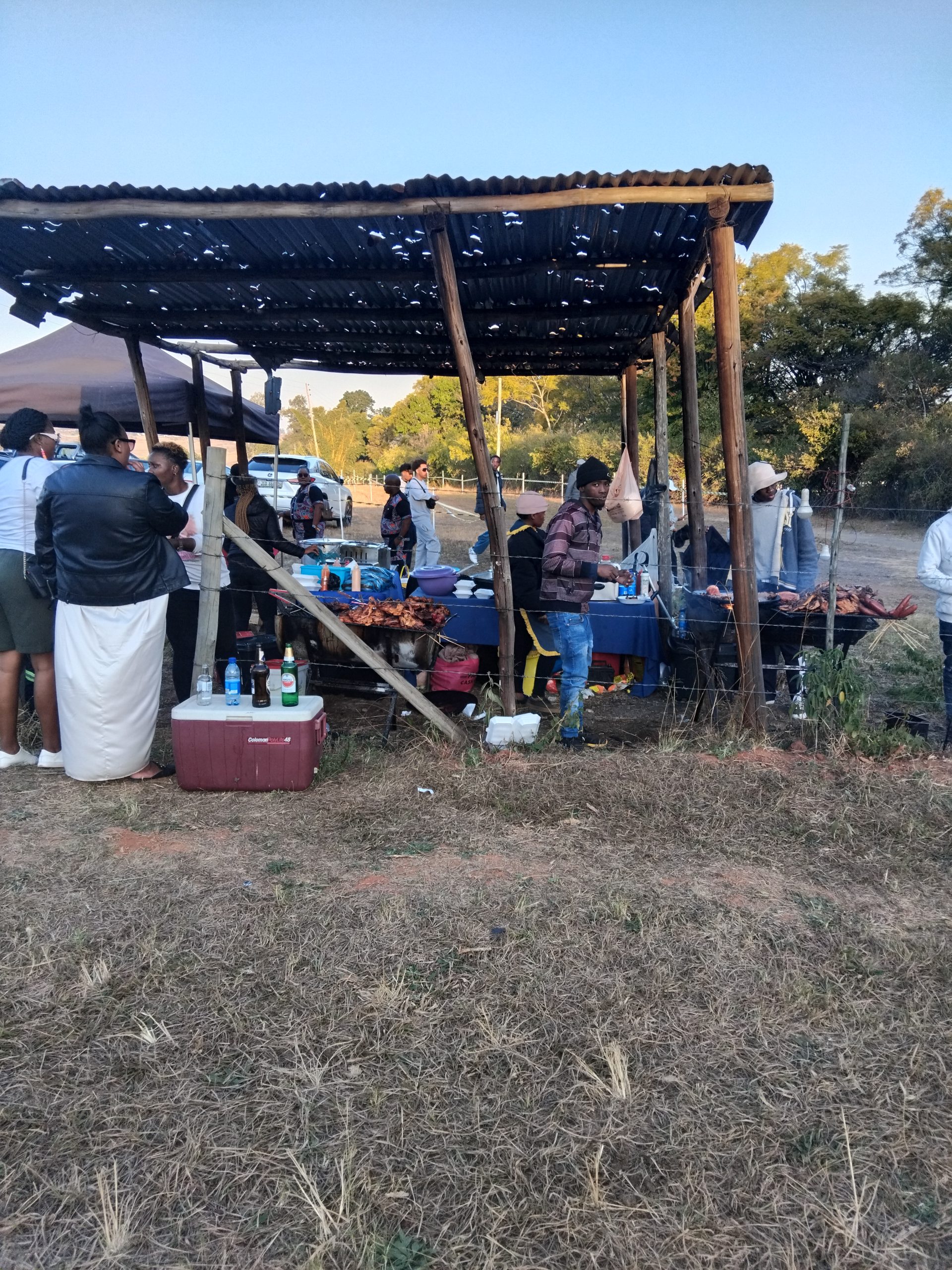
Food vendor Samkeliso Vilakati shared a similar experience. Despite having a busy spot near the main food court, he struggled to break even after paying the E1,000 stall fee and covering costs for stock, packaging, and transport.
“I had to throw away some leftovers. It was slow. I was hoping for people to eat more and party less.” said Vilakati.
This year’s Luju festival operated fully cashless, with all payments processed via mobile money, banking apps, or tap cards. The system was praised by some, but others particularly smaller informal traders felt excluded.
“I didn’t even have a speed point or a QR code,” said Thobile Dlamini, who sells handmade soaps.
Dlamini said she missed out on multiple sales due to network issues and payment confusion. “They need to make this system more accessible to small traders who don’t have all these gadgets,” she said.
For Bheki Mabuza, who sells vintage sunglasses, the experience was smoother.
“It kept things safe and simple. No one tried to rob me. No stress over change. But yes, if your phone dies or your data finishes, you’re in trouble.” said Mabuza.
Several vendors selling art, clothes, and accessories reported that festivalgoers appeared more interested in the ambiance and aesthetic than actually making purchases.
“I had ladies trying on dresses, posing for selfies, then walking off,” said Nokwanda Nxumalo, a clothing designer.
Skincare and craft vendors echoed that sentiment, saying many customers browsed and complimented their products but ultimately spent their money on wine, food, and alcohol.
“Luju is for photos, drinks, and performances,” said Zanele Simelane, who sells tote bags.
However, others appreciated the organization and security. Sibusiso Maseko, who sells snacks, said, at least they weren’t scattered everywhere. The stalls were neat, and there were no fights or stolen items.
Despite the financial letdown, most vendors said they would still return next year mainly for brand exposure and visibility.
“Even if I didn’t hit big, I gained Instagram followers and got business cards out,” said Mkhabela.