Eswatini is moving to accelerate the implementation of two demonstration projects aimed at improving water security, climate resilience and sustainable agricultural practices in the country’s shared river basins.
The Mpakeni Dam Sustainable Utilisation Plan and the Lomati Farmwise Smart Agriculture Project are at the centre of a five-day Technical Alignment Workshop convened by the Incomati and Maputo River Basins Commission (INMACOM) with the Joint River Basin Authorities (JRBA) Project Board.
The projects form part of Component 4 of the GEF 8 IncoMaputo Project, which seeks to translate basin-level planning into practical interventions that respond to both environmental pressures and community needs. INMACOM Executive Secretary Sindy Mthimkhulu said the workshop was an important step towards ensuring that the country’s pilot interventions moved forward with clear responsibilities, compliance requirements and collective ownership.
“This programme bridges momentum with alignment, ensuring compliance, clarity and collective ownership of Eswatini’s pilot interventions,” Mthimkhulu said. The Mpakeni and Lomati interventions are expected to demonstrate approaches that can improve the way land and water resources are managed, while supporting communities that depend on these resources.
Key areas under Component 4 include water-efficient agriculture and solar pumping, rehabilitation of water delivery infrastructure, biodiversity conservation and invasive alien plant control. The programme also provides for restoration of degraded areas, aquatic ecosystem monitoring and institutional capacity development.
The five-day workshop is designed to strengthen collaboration between JRBA, INMACOM, the Global Water Partnership Southern Africa (GWPSA) and the Project Management Unit, while ensuring that implementation complies with the requirements of the Global Environment Facility (GEF) and the United Nations Development Programme (UNDP).
Participants are being oriented on fiduciary, procurement, safeguards, reporting and quality assurance requirements, with the discussions also assessing the readiness and scope of the pilot interventions.
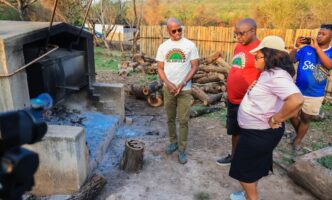
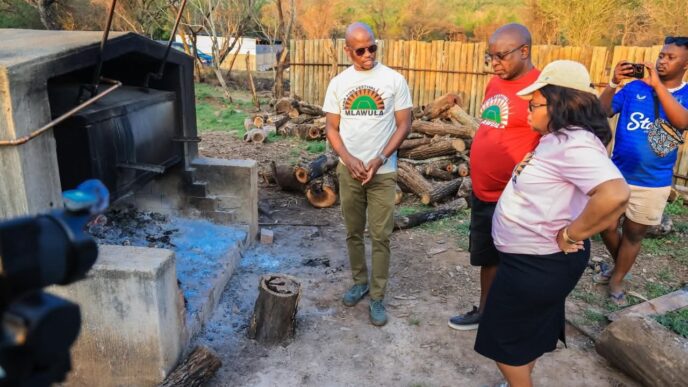
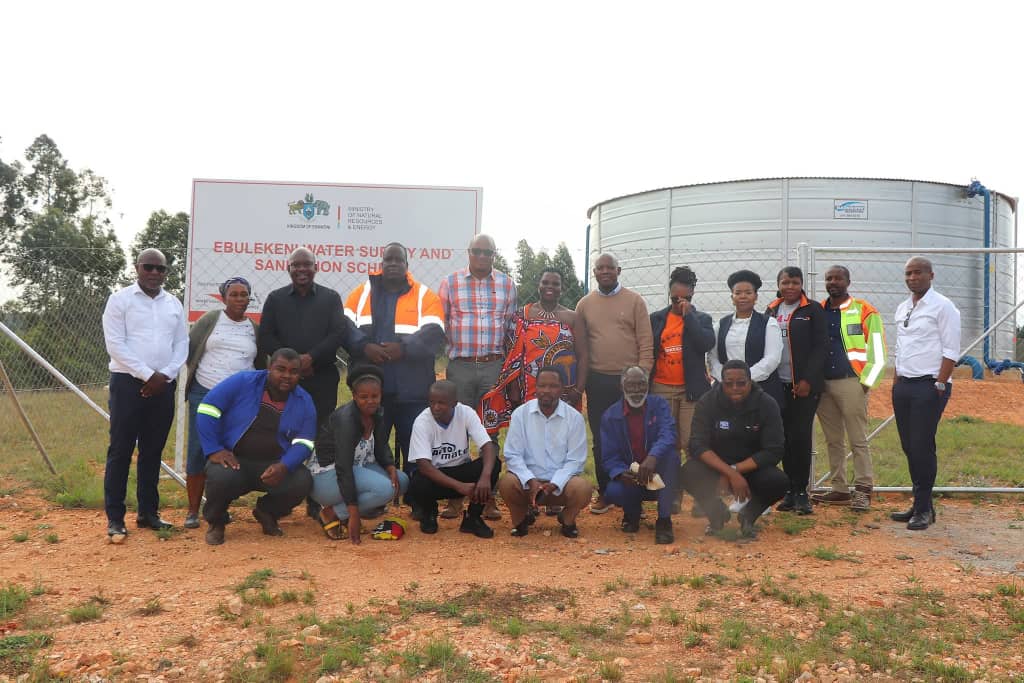
A field visit forms part of the programme, allowing partners to assess the projects against conditions on the ground and identify areas where implementation sequencing can be improved.
The partners are also expected to validate a Joint Work Plan, with the workshop targeting a field-informed implementation assessment, a shared understanding of project delivery, a revised budget-aligned work plan and a delivery acceleration plan.
Funded by the Global Environment Facility, implemented by UNDP Eswatini and executed by GWPSA, the GEF 8 IncoMaputo Project supports basin-wide planning, climate and disaster risk preparedness, improved data and information systems and source-to-sea management. The broader programme is intended to strengthen water security and ecosystem resilience across the Incomati and Maputo basins, while creating sustainable benefits for communities dependent on shared water resources.