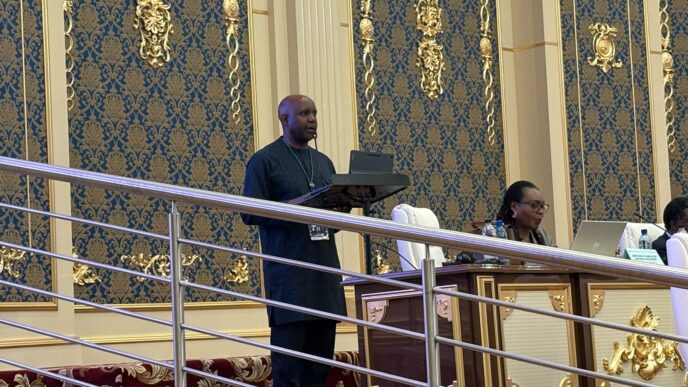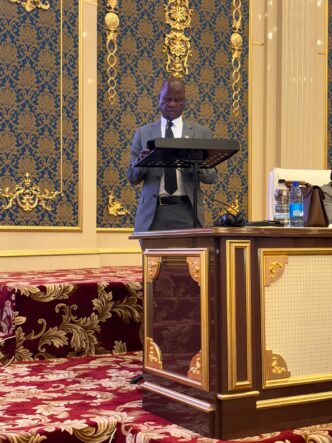
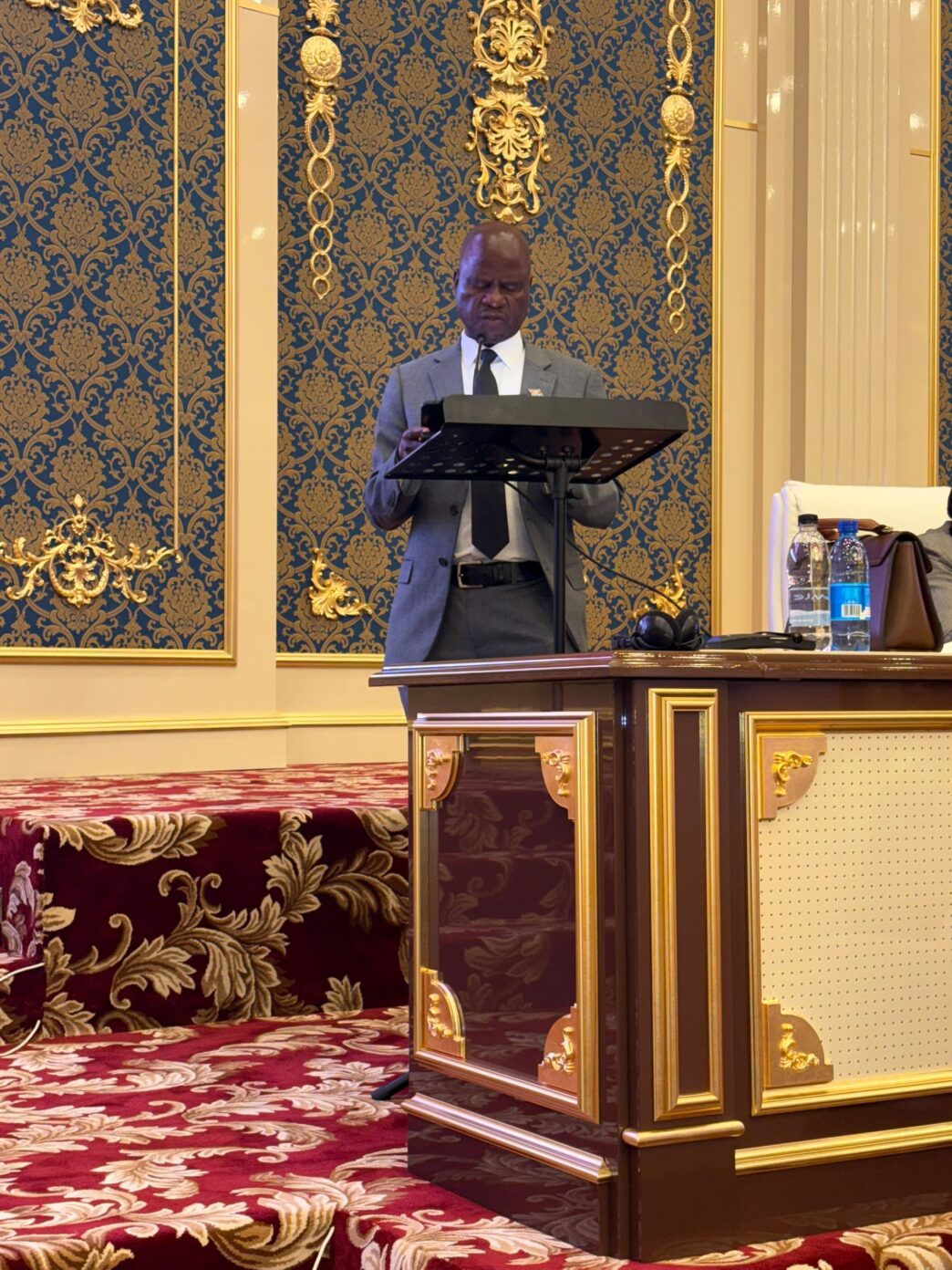
Minister for Agriculture Mandla Tshawuka has warned that Africa will only survive looming climate shocks if it has the right seed and says seed supply should never be used as a political weapon.
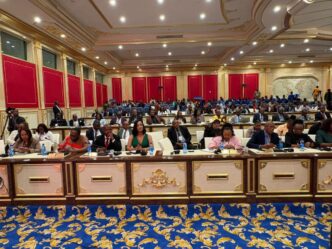
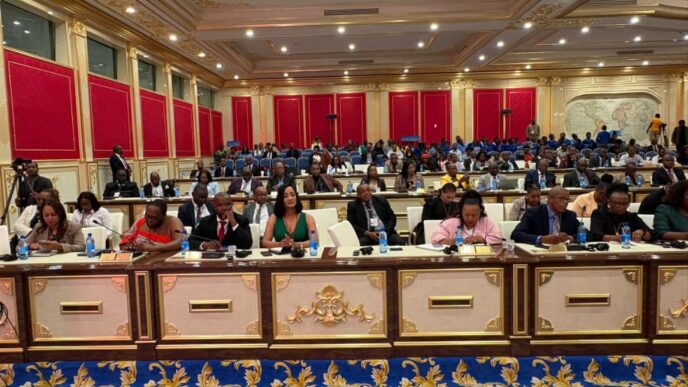
He said this on Monday at the International Convention Centre in Ezulwini when he opened the Africa Seed Summit 2026.
The Summit, convened by the African Union under the theme Resilient Seed Systems for a Food Secure Africa, will be officially opened by His Majesty King Mswati III on Tuesday. 
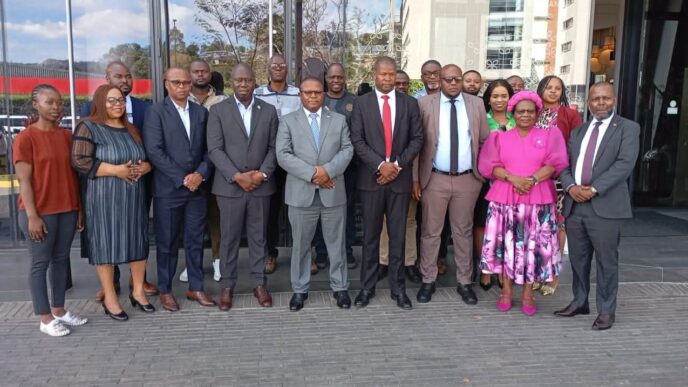
Monday’s meeting brought together senior officials, development partners, financial institutions, research bodies and private sector players.
Tshawuka said Africa’s food systems are under pressure from climate change, global supply disruptions and rising demand, making seed a matter of survival.
He said forecasts of a looming Super El Nino make the situation more urgent. “Only those with the right seeds for a time such as this will have a fighting chance of producing anything under these circumstances,” he said.
He said Africa has vast arable land, diverse agro-ecologies, a youthful population and growing markets, but continues to struggle with food and nutrition security because it remains excessively dependent on external sources for critical inputs.
“Africa cannot achieve agricultural transformation while remaining excessively dependent on external sources for critical agricultural inputs and technologies,” he said.
He said the continent must shift from being a consumer of technologies developed elsewhere to becoming a developer, producer and exporter of agricultural knowledge, technologies and seed.
Tshawuka said investment must cover the full value chain, from research and breeding to multiplication, processing, storage, certification and distribution, and must reach farmers and agro-dealers.
He said African countries need capacity to develop varieties that respond to local climatic conditions, farming systems, nutritional needs and markets.
On partnerships, he said Eswatini seeks collaboration that builds durable national systems, not permanent dependence.
He said international partners should invest in African research and development, strengthen national seed systems, support climate-resilient agriculture and help unlock private capital.
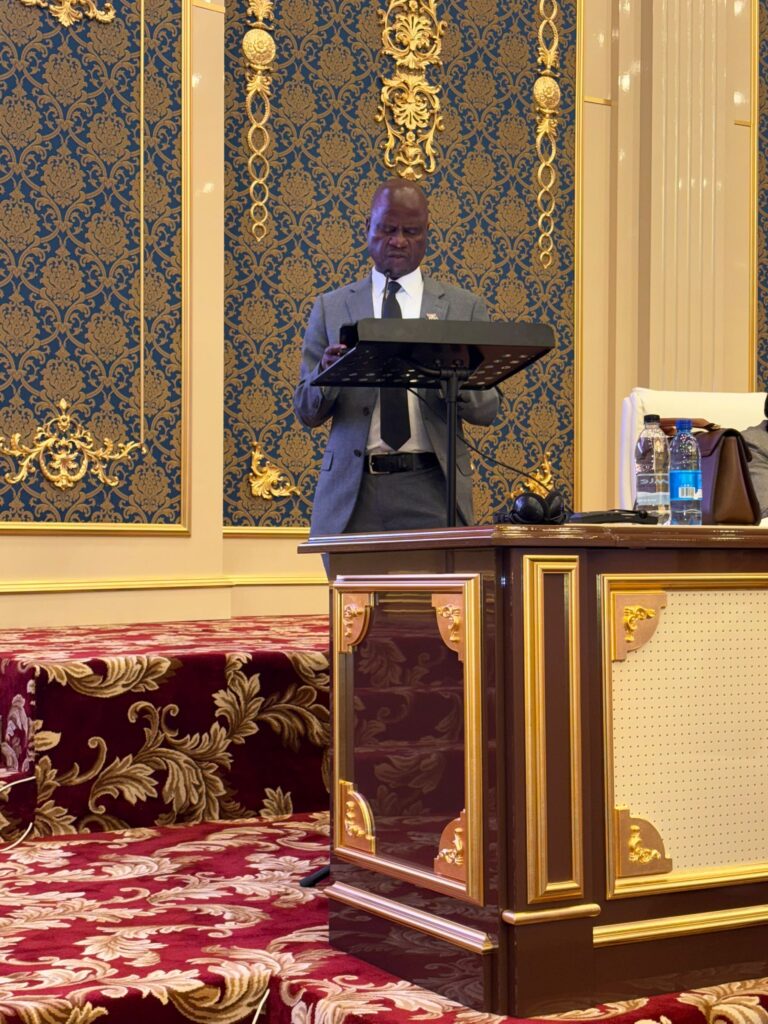
He said the central word for the meeting is investment. “The question we are asking ourselves as Africa and the world is: how can we create the conditions that make investment possible, sustainable, and commercially attractive, while ensuring that development outcomes are achieved?” he said.
He said this requires mobilising private capital, de-risking seed enterprises, improving access to finance for local seed companies and emerging entrepreneurs, and connecting research institutions with markets.
He emphasised that improved seed must actually reach smallholder farmers in good quality and at an affordable price.
Tshawuka took a firm stance against politicisation of agricultural inputs. “We strongly believe seed availability and supply should not be weaponized or used to differentiate between friend and foe, because every human being has a right to food, and there can be no food without seed,” he said.
He said the success of any seed system must be measured at farm level, whether a farmer can obtain quality seed that performs locally, withstands climate variations and produces a crop that can access markets.
He said women and young people must be deliberately included in seed enterprises and value chains.
Africa’s youth should not see agriculture as an industry of the past; they should see it as one of the continent’s greatest investment opportunities for the future,” he said.
He said continental frameworks including CAADP, the Kampala Declaration and Agenda 2063 provide direction,
but their ambitions will not be attained without effective seed systems and stronger coordination between governments, the AU, Regional Economic Communities, research institutions and the private sector.
“The seed we plant today will determine the harvest of Africa tomorrow,” he said.