Women accounted for 61.1 per cent of the 1 284 participants in Eswatini’s national HIV Prevention Indaba study, making them the largest demographic group represented in the research.
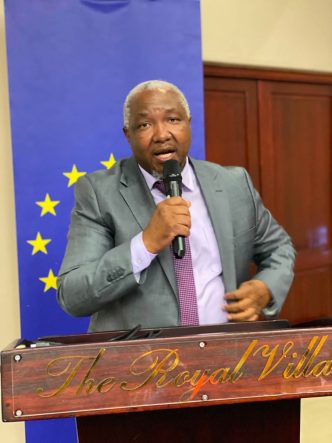
The figures were presented by Dr Mfundi Motsa during the Manzini Regional Dissemination of the HIV Prevention Indaba Findings, where stakeholders were briefed on the profile of participants and how the data were collected and analysed.
The study reached people from different target groups and regions, with the figures showing varying levels of participation across the country. 

The Manzini Region accounted for 34.7 per cent of participants, making it the most represented region.
Hhohho followed at 27.8 per cent, while Shiselweni contributed 18.4 per cent.
Young people also formed a notable part of the study, with 21.2 per cent of participants being in-school youth.
In terms of education, 46.6 per cent of participants had reached high school level, while 36.1 per cent were unemployed.
The figures provided an important demographic picture of the people whose experiences and perspectives contributed to HIV prevention research.
Dr Motsa explained that the study used focus group discussions, in-depth interviews and key informant interviews to gather information from the different target groups.

Each focus group discussion had between eight and 12 participants, with sessions facilitated by a team comprising a team leader, session conductor and note-taker.
The research also incorporated both SiSwati and English, with SiSwati recordings translated into English before analysis.
The recordings were professionally transcribed, while independent experts were involved in the transcription and translation process to ensure accuracy and quality.
A multidisciplinary and multinational team of researchers then reviewed the transcripts, identified emerging themes and developed a structured codebook.
The data were analysed using Dedoose version 10 through thematic analysis, with codes drawn from the research objectives and interview guides.
Dr Motsa said demographic information was collected using DHIS2, while audio recordings, field notes and transcripts were securely stored on NERCHA’s OneDrive and a password-protected server at its headquarters.