













SADC Ministers endorse strategies to boost regional integration
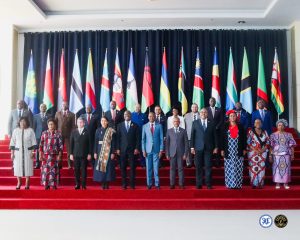
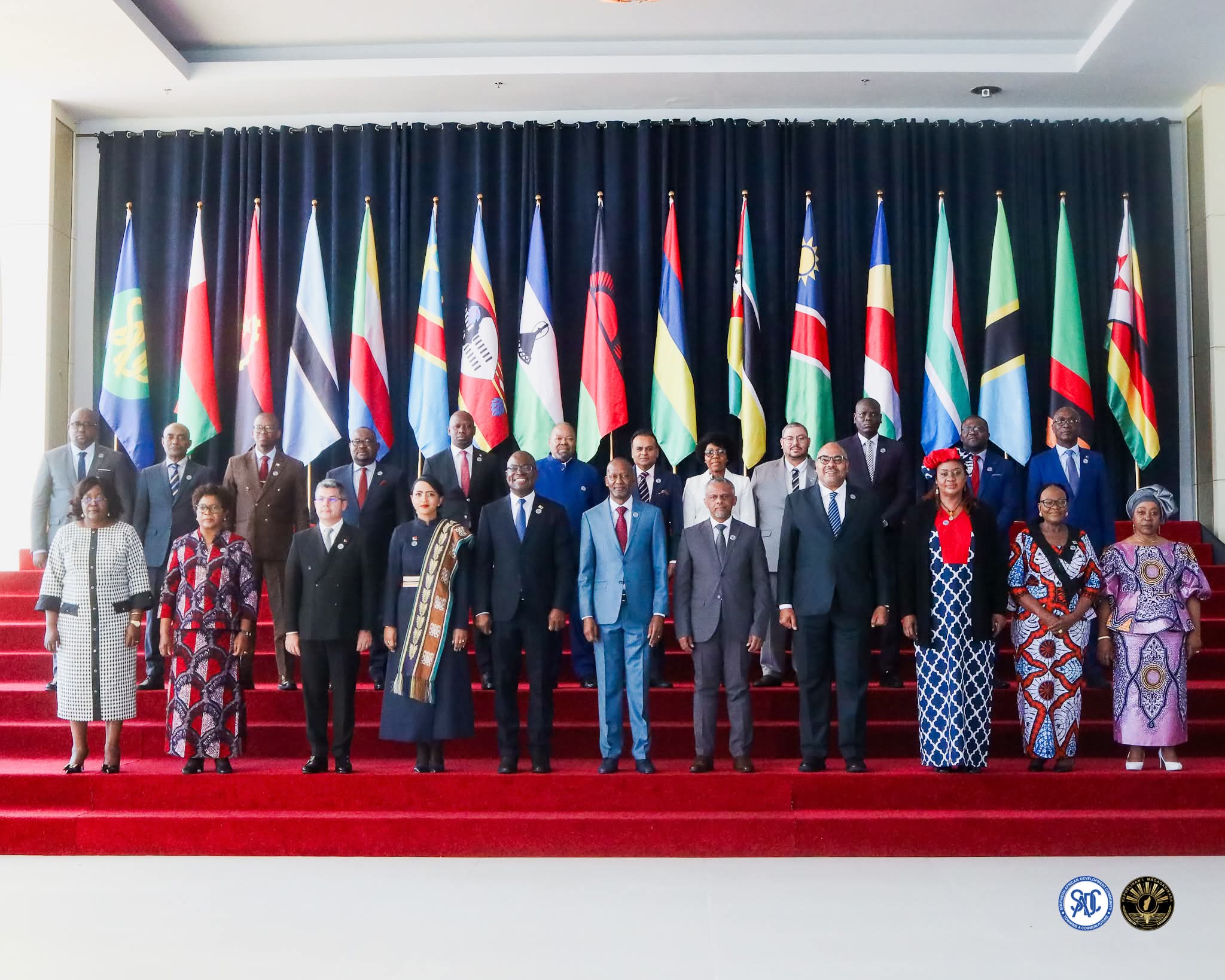 The SADC Minister delegation
By Delisa Magagula
The Southern African Development Community (SADC) Council of Ministers convened in Antananarivo, Madagascar, to deliberate on measures aimed at strengthening regional integration, boosting intra-SADC trade, and advancing self-reliance across the 16-member bloc.
Representing the Kingdom of Eswatini was Minister for Economic Planning and Development Dr. Thambo Gina, accompanied by Principal Secretary Thabsile Mlangeni, Eswatini SADC Unit Director Thobile Dlamini, and senior government officials.
In his opening remarks, SADC Executive Secretary Elias Mpedi Magosi welcomed the delegations and expressed gratitude to Madagascar for its hospitality.
He underscored the importance of unity among member states, particularly in the face of global economic headwinds.
“We must remain united as we address the economic challenges brought about by rising tariffs and shifting geopolitical dynamics,” Magosi said.
Discussions placed strong emphasis on reducing dependency on raw commodity exports through industrialisation and value addition.
Ministers highlighted that regional self-reliance depended on stronger value chains and collaborative investment in manufacturing capacity.
Eswatini’s delegation actively contributed to the talks, voicing support for policies that advance competitiveness and expand cross-border trade.
Minister Gina noted the country’s commitment to regional growth and industrialisation, stressing that targeted cooperation could accelerate development across the SADC region.
Meanwhile, the council endorsed two major policy frameworks:
SADC SMEs Competitiveness Strategy is designed to strengthen small and medium enterprises across member states.
SADC Investment Climate Scorecard, aimed at helping countries assess and improve their investment environments.
According to the Council, these tools are expected to improve the region’s ability to attract capital, stimulate entrepreneurship, and compete in global markets.
Energy security featured prominently in the meeting. Ministers noted progress on several interconnector projects linking Angola, Malawi, and Tanzania to the Southern African Power Pool.
These links are expected to improve electricity reliability and reduce power deficits in multiple countries. Magosi also confirmed that Madagascar had agreed to operationalise the SADC Centre for Renewable Energy and Energy Efficiency (SACREEE), a move expected to coordinate renewable energy initiatives and support member states in transitioning to cleaner energy sources.
In the health sector, the Council discussed ways to improve access to affordable medicines and medical supplies. A Draft Charter for SADC Pooled Procurement Services was tabled, proposing a collective purchasing system for essential drugs and equipment.
Ministers noted that pooled procurement could lower costs, standardise quality, and strengthen supply chains for member states, especially in the face of health emergencies.
The meeting reviewed funding for regional projects. The Council reported that US$206 million had been mobilised from International Cooperating Partners during the last financial year.
However, US$624.5 billion is still required to implement priority projects under the Regional Indicative Strategic Development Plan (RISDP).
Ministers stressed the need to broaden funding sources, including domestic resource mobilisation and public-private partnerships.
The Council paid tribute to leaders and officials who have passed away since the last gathering, acknowledging their contributions to regional integration.
Recognition was also given to the outgoing Council Chairperson, Professor Amon Murwira of Zimbabwe, for his service. Delegates pledged support to the incoming Chairperson, Dr. Rafaravavitafika Rasata of Madagascar.
The Antananarivo meeting concluded with preparations for the 45th SADC Summit of Heads of State and Government, where leaders will map out the next phase of regional cooperation.
Magosi said the Council’s work would feed directly into the Summit’s agenda. “The goal remains a peaceful, industrialised, and self-reliant Southern Africa,” he said.
Minister Gina said Eswatini remained committed to the bloc’s shared objectives.
“Our participation reflects Eswatini’s dedication to collaboration, sustainable development, and regional progress,” he said.
According to the Ministry of Economic Planning and Development, Eswatini views the SADC Council of Ministers as a strategic platform to influence policy, secure investment opportunities, and strengthen partnerships that support the Kingdom’s economic goals.
The Ministry confirmed that the delegation would present follow-up actions from the meeting to relevant stakeholders in Eswatini, ensuring alignment between national development plans and regional commitments.
The outcomes of the Council meeting are expected to have direct implications for trade, energy, health, and industrial policy within the SADC bloc, with Eswatini positioning itself to benefit from and contribute to the collective regional agenda.
Among the key outcomes was the adoption of the SADC SMEs Competitiveness Strategy and the SADC Investment Climate Scorecard, aimed at boosting competitiveness and attracting investment.
The Council also noted advances in regional energy security, including interconnector projects linking Angola, Malawi, and Tanzania to the Southern African Power Pool.
Madagascar will move ahead with operationalising the SADC Centre for Renewable Energy and Energy Efficiency.
In the health sector, ministers reviewed a Draft Charter for the SADC Pooled Procurement Services to improve access to affordable medicines and medical supplies across the region.On financ
ing, Magosi reported that over US$206 million had been mobilised from International Cooperating Partners over the past year but emphasised that an estimated US$624.5 billion is still required to fully implement regional development plans.
The Council’s deliberations will guide the agenda for the upcoming SADC Summit of Heads of State and Government later this year.