





UNICEF, EU donate assistive devices worth E300,000
…. to support students with disabilities
By Delisa Magagula
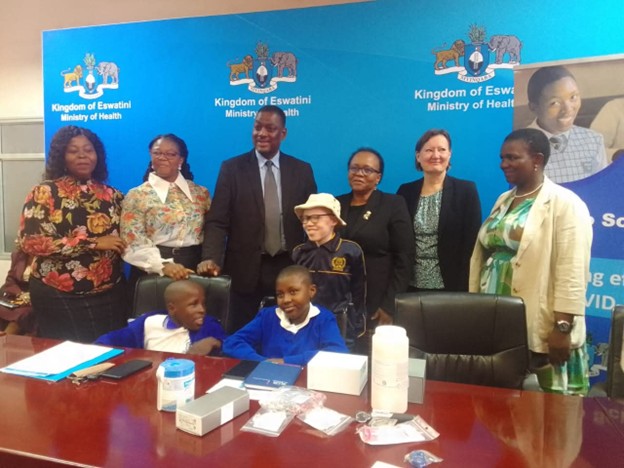
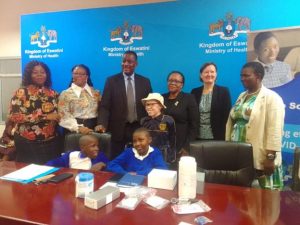
The United Nations Children’s Fund (UNICEF), in partnership with the European Union (EU), has handed over assistive devices valued at E300,000 to support students living with disabilities in Eswatini.
The handover ceremony took place today at the Deputy Prime Minister’s Office and forms part of ongoing efforts to promote inclusive education and ensure that children with disabilities have equal access to learning opportunities.
Worth mentioning is that Eswatini, children with disabilities continue to face barriers in accessing education, ranging from inadequate learning materials to physical limitations in classrooms.
According to education stakeholders, these challenges often contribute to lower enrollment, higher dropout rates, and limited opportunities for learners with special needs.
The donation by UNICEF and the EU includes a range of assistive technologies and equipment designed to improve the learning environment for affected students.
These devices are expected to help learners participate more effectively in the classroom and reduce the gap between students with and without disabilities.
UNICEF emphasised that the initiative aligns with its mission to ensure that every child, regardless of their circumstances, has the right to quality education.
The organisation noted that children with disabilities are among the most marginalised and stressed the importance of providing them with the necessary support to thrive academically and socially.
The EU highlighted its commitment to supporting Eswatini’s education sector, noting that inclusive education is essential for sustainable development. Officials said the donation would not only benefit the recipients directly but also strengthen the country’s broader education system by fostering equity and inclusion.
The Ministry of Education and Training welcomed the donation, describing it as a timely intervention that would complement government’s efforts to make education accessible to all.
The Ministry has in recent years partnered with international organisations to improve infrastructure, train teachers in special needs education, and expand access to learning materials.
Stakeholders noted that the provision of assistive devices would have a long-term impact on the lives of learners, enabling them to pursue their studies with greater independence and confidence.
The E300,000 investment underscores the role of international partnerships in advancing Eswatini’s inclusive education agenda and ensuring that no child is left behind.