













FNB disburses E250 Million to support over 1,000 SMEs
By Delisa Magagula
FNB Eswatini has disbursed E250 million in supporting more than 1,000 local Small and Medium Enterprises (SMEs) through its innovative automated scoring lending approach.
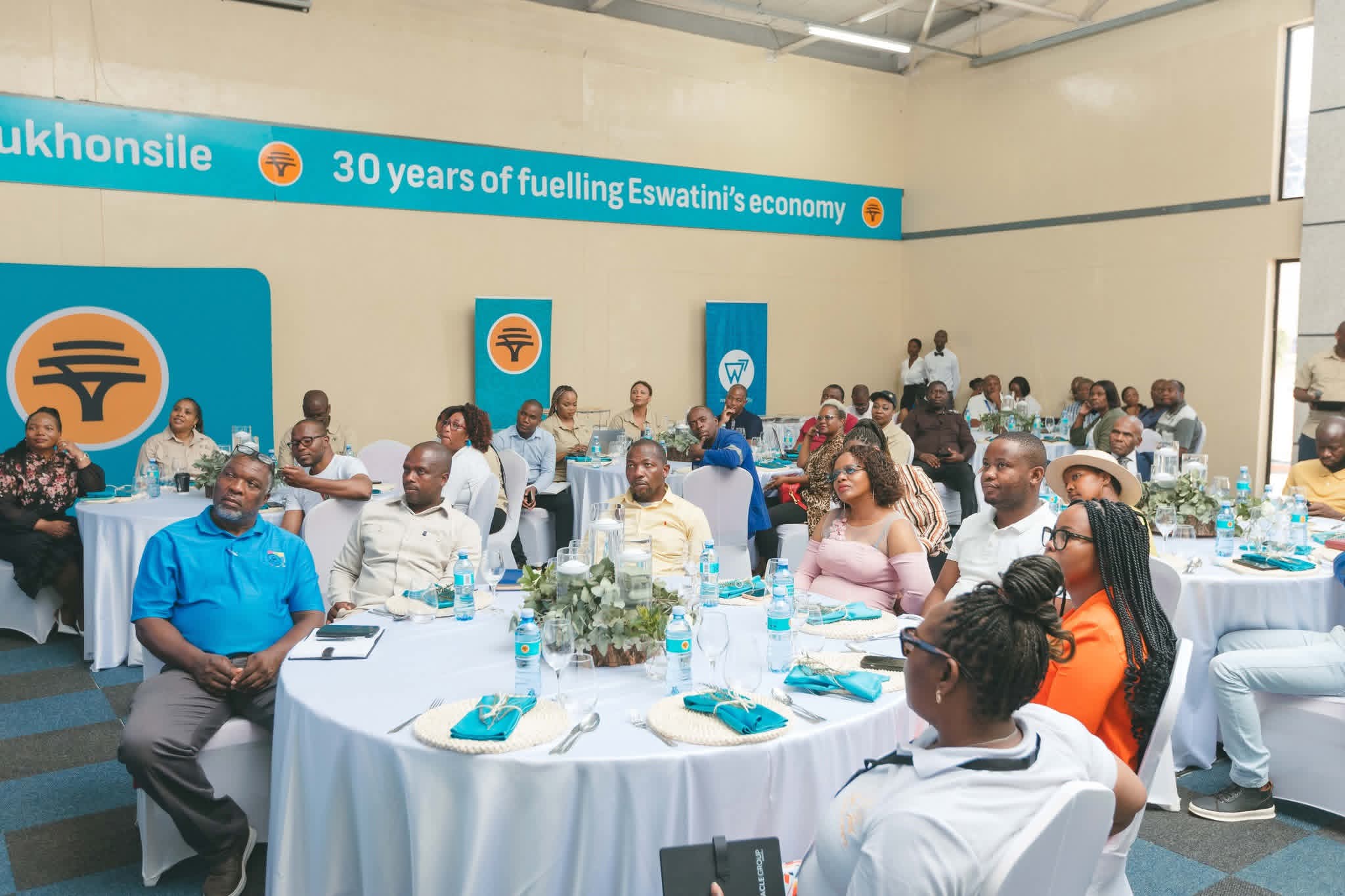
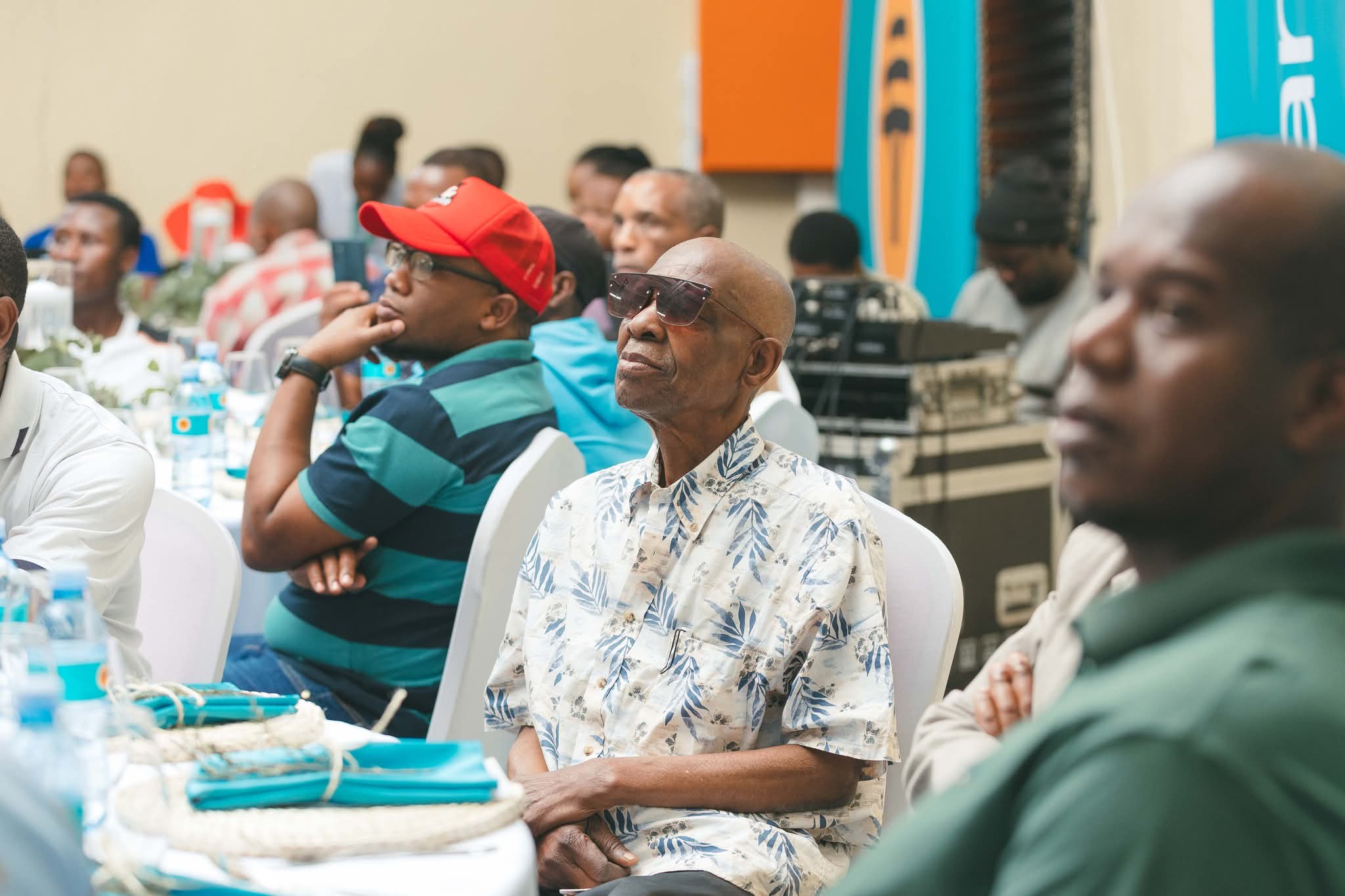
The announcement was made during an FNB SME Seminar held at the Eswatini International Trade Fair (EITF) which brought together over 50 SME owners seeking guidance on business growth and sustainability.
The bank’s Head of SME Banking, Nombuso Mndzebele, explained that the initiative is part of FNB’s ongoing commitment to fostering entrepreneurship and economic development in Eswatini.
“Every business deserves the right tools to succeed. We have introduced automated scored lending, a solution that uses behavioural data to determine lending facilities for our clients,” she said.
According to Mndzebele, the scored lending system evaluates SMEs based on a combination of factors, including repayment behaviour, cash flow patterns, and historical financial activity.
The automated approach enables faster access to finance, while ensuring that businesses are matched with loans that suit their capacity and growth potential.
“Through this solution, we have disbursed cnearlyE250 million over the past two and a half years, benefiting over 1,000 SMEs. IOur customers must experienceus at a level that meets their expectations and supports their ambitions,” Mndzebele added.
The seminar also highlighted the importance of financial literacy and business management skills. FNB Eswatini’s Sales Manager, Dumsani Sikhosana, introduced attendees to the bank’s Business Toolkit, a comprehensive support package designed to help entrepreneurs address common challenges.
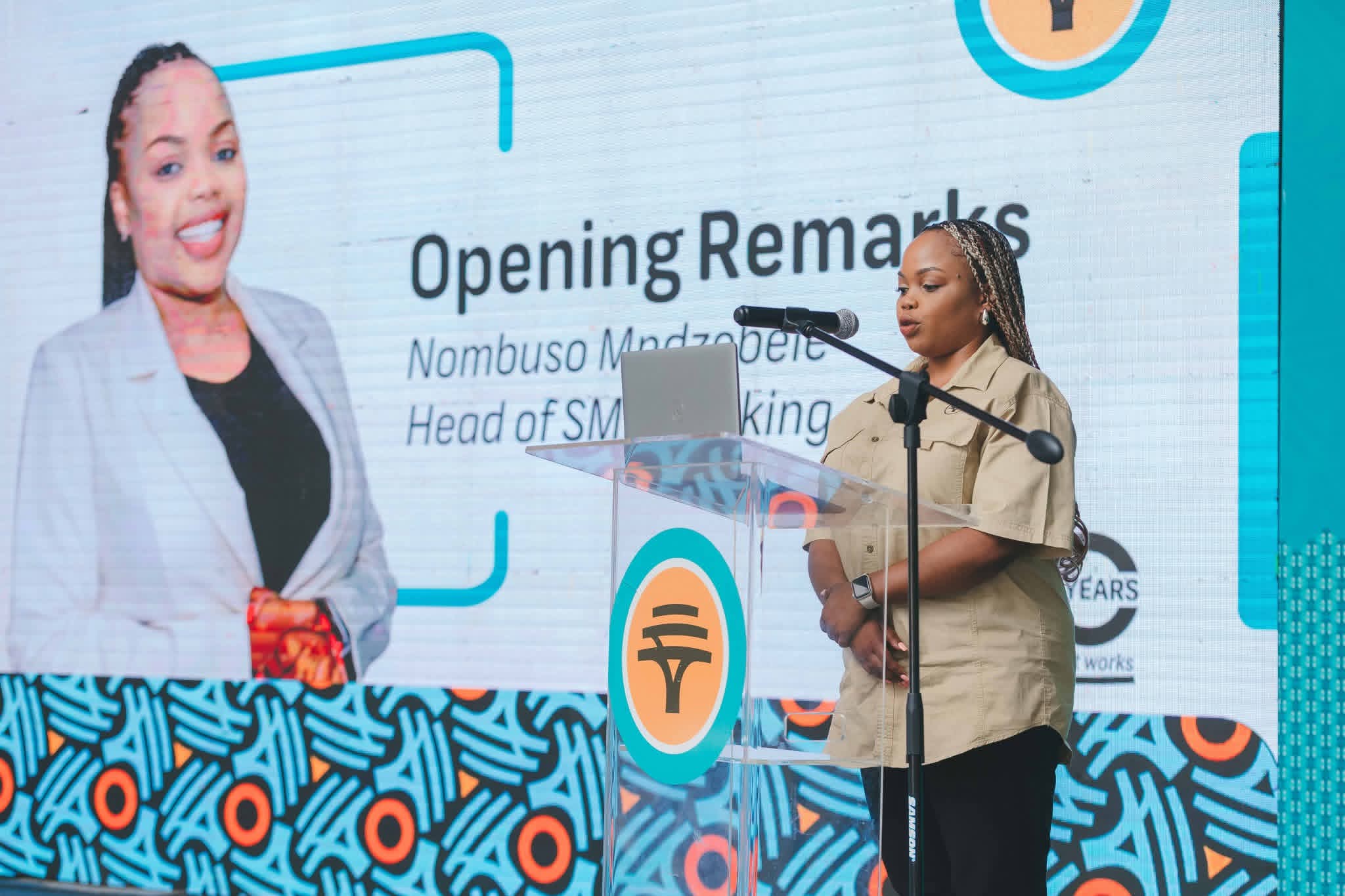
Sikhosana eemphasisedthat meticulous record-keeping is critical to success. “It is essential to record all income and expenses, no matter how small. We encourage SMEs to do this daily, weekly, or at least monthly. Proper financial tracking allows business owners to make informed decisions and avoid unnecessary pitfalls,” he explained.
Another key area addressed during the seminar was the separation of personal and business finances. Sikhosana noted that entrepreneurs should treat their businesses as independent entities.
“As a business owner, set aside a standard salary that you will draw from your business. This ensures clarity in your accounts and prevents personal expenses from compromising your business’s cash flow,” said Sikhosana.
In addition to financial management, the seminar focused on risk mitigation, particularly regarding fraud and scams targeting small businesses.
FNB’s Chief Risk Officer, Gugu Matiwane, warned entrepreneurs to remain vigilant and informed.
“It is crucial to protect your business from scams that exploit unsuspecting entrepreneurs. Red flags include deals that appear too good to be true, urgent requests for immediate action, and unusual payment methods, such as requests for gift cards, cryptocurrency, or wire transfers. If you encounter a scam, cancel the transaction immediately, report it, and contact your bank for guidance,” Matiwane advised.
The seminar also provided insights from the Ministry of Commerce, Industry, and Trade. Philiswa Dlamini highlighted the Ministry’s new Micro, Small, and Medium Enterprises (MSME) Policy, which seeks to provide comprehensive support across multiple facets of business development.
The policy focuses on five strategic pillars which are creating a business-enabling environment; providing business support services; developing human capital; improving access to finance; expanding market access and integrating value chains; fostering an entrepreneurial culture; and enhancing infrastructure and technology.
Dlamini encouraged entrepreneurs to actively participate in business associations, explaining that these networks facilitate engagement with government and other stakeholders.
“Joining associations strengthens your voice as a business owner and makes it easier to access support programs, share knowledge, and influence policy decisions that affect your sector,” she said.
The event also offered practical guidance for SMEs looking to scale their operations. Attendees learned about the importance of developing clear business plans, adopting digital solutions for accounting and inventory management, and establishing effective marketing strategies.
Mndzebele stressed that these tools are designed not just for immediate survival but for long-term sustainability.
“Access to finance is only one component of business growth. Entrepreneurs must also invest in systems, training, and processes that enhance efficiency and competitiveness,” she said.
Over the past few years, SMEs in Eswatini have faced challenges ranging from limited access to capital to the disruptive effects of the global economic climate.
FNB’s scored lending initiative aims to bridge the financing gap while ensuring that SMEs are not overburdened with debt they cannot manage.
By leveraging data-driven assessments, the bank can provide tailored financing solutions that align with each business’s cash flow and growth trajectory.
The seminar also highlighted success stories from SMEs that had benefited from FNB’s support. Several business owners shared experiences of expanding operations, hiring additional staff, and exploring new markets thanks to the timely access to finance.
These testimonies reinforced the importance of an integrated support system that combines financial assistance with advisory services, risk management, and skills development.
By providing E250 million to over 1,000 SMEs, FNB has positioned itself as a critical partner in the growth and sustainability of small businesses in Eswatini.
The bank’s holistic approach combining financing, education, and risk awareness reflects a commitment to empowering entrepreneurs to thrive in a competitive market. Mndzebele noted, that supporting SMEs is not just about lending money but building capacity, enabling growth, and creating a lasting impact on the economy.
The seminar concluded with interactive sessions where SME owners could ask questions, share challenges, and receive tailored guidance.
Participants left with actionable insights on finance management, fraud prevention, and strategies to scale their businesses. Through initiatives such as these, FNB demonstrates a commitment to fostering a resilient SME sector that contributes meaningfully to Eswatini’s economic development.