
















NBFI assets reach E114 bln
By Delisa Magagula
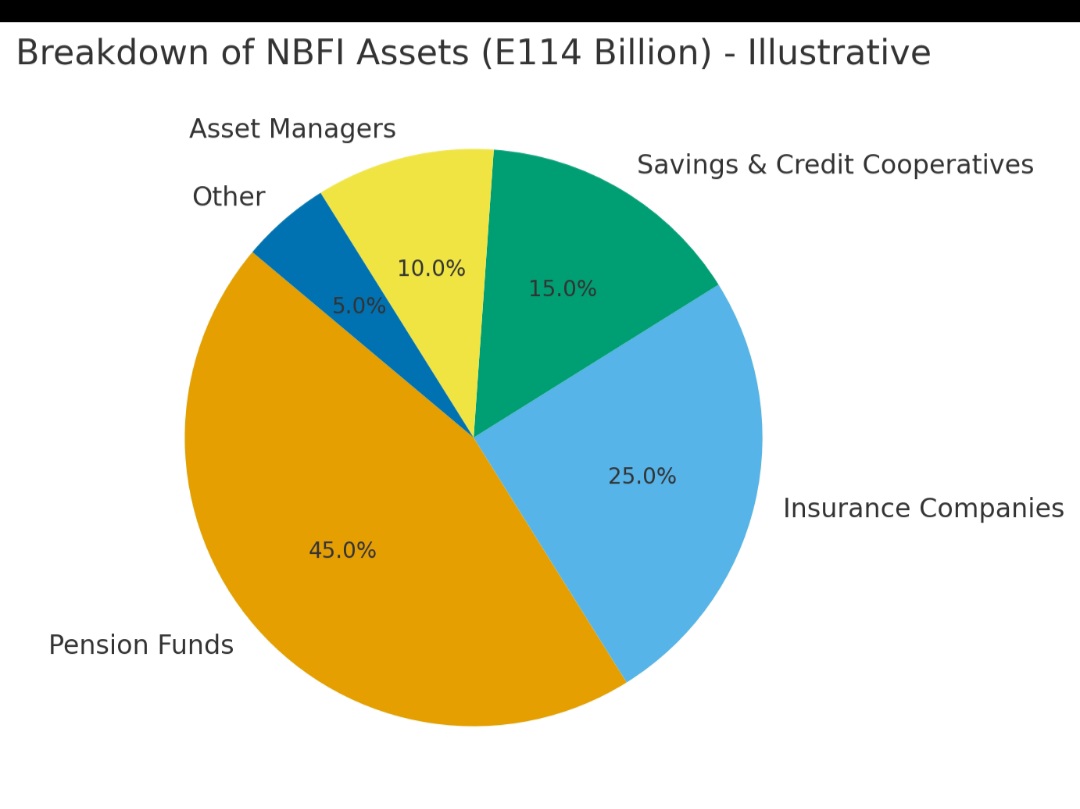
The country’s non-bank financial institutions (NBFIs) have recorded a steady growth in their asset base, with the latest figures showing a 1.15 per cent increase, bringing total assets to E114 billion in the current quarter.
The increase underscores the critical role of NBFIs in safeguarding and diversifying the stability of Eswatini’s financial system.
Unlike traditional banks, NBFIs include pension funds, insurance companies, asset managers, savings and credit cooperatives and other specialised entities that mobilise resources from households and businesses, channel investments into the economy and provide long-term financial security for citizens.
This steady growth signals investor confidence and resilience in the wider financial sector, which continues to navigate shifting market conditions and ongoing economic pressures.
Analysts note that the increase is modest but meaningful, as NBFIs play a vital role in complementing the banking industry by providing alternative sources of credit and investment opportunities.
The sector’s performance also reflects the positive impact of regulatory oversight by the Financial Services Regulatory Authority (FSRA), which continues to monitor compliance and encourage best practices within NBFIs.
Stronger supervision has ensured that institutions under this category remain sound, transparent and capable of protecting members’ funds while promoting broader financial inclusion.
As the asset base grows, stakeholders hope the increased resources will translate into wider access to financial products, better insurance penetration, sustainable pension coverage, and a more diversified economy less reliant on traditional banking structures.
In an environment where households and businesses often face liquidity constraints, the steady expansion of NBFIs’ balance sheets provides an important buffer and a source of capital for national development.
The E114 billion mark represents yet another milestone in the growth trajectory of this critical segment of Eswatini’s financial system, pointing to continued resilience despite challenges in the global and regional economy.