














E38 Million earmarked for FMD Battle
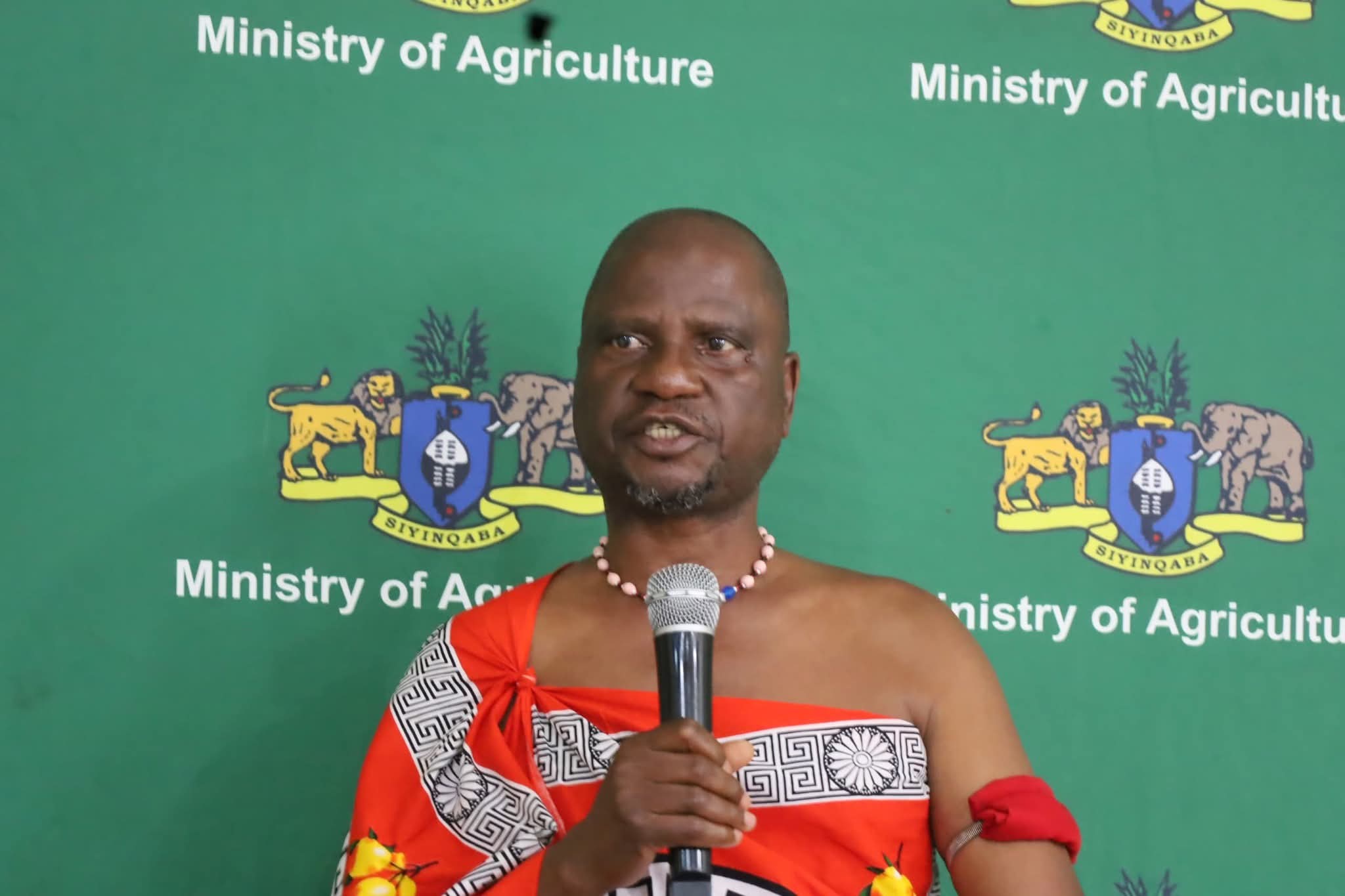 Minister of Agriculture Mandla Tshawuka
The Government of Eswatini has committed E38 million towards strengthening national efforts to contain Foot and Mouth Disease (FMD), a recurring threat to livestock, trade and food security.
Minister of Agriculture Mandla Tshawuka confirmed that the funds would be used not only to refurbish the country’s borderline infrastructure but also to finance vaccination campaigns, disease surveillance and a range of other interventions aimed at containing outbreaks.
“This investment is crucial to safeguarding our national herd and the livelihoods that depend on it,” Tshawuka said, emphasising that the fight against FMD was both an economic and social priority.
He explained that the allocation was designed to deliver a dual approach: improving physical infrastructure at critical entry points while also supporting comprehensive disease management measures.
These include vaccination drives, early-warning systems, and robust veterinary responses in areas considered high-risk.
The minister further underscored the importance of regional cooperation, noting that FMD does not recognise borders. With South Africa continuing to report outbreaks in several provinces, Eswatini remains at immediate risk.
Past joint patrol arrangements along certain stretches of the borderline have lost effectiveness, prompting the need for new strategies and deeper collaboration with neighbouring countries.
“We need to strengthen regional partnerships because FMD does not respect borders. If South Africa struggles with containment, Eswatini is immediately placed at risk and we have to act fast,” he said.
Tshawuka also revealed that enforcement of FMD regulations had been intensified, with more than 20 people arrested in recent months for offences such as the illegal movement of cattle across restricted zones.
He stressed that compliance was non-negotiable, given the devastating impact the disease could have on Eswatini’s livestock sector.
“The livestock sector is the backbone of rural livelihoods and a pillar of national food security. Protecting it requires everyone’s cooperation,” he said.
According to the minister, cases of FMD were recently detected in the Lubombo region, prompting swift containment measures to prevent further spread.
These interventions include vaccination in affected zones, movement restrictions, and closer monitoring of high-risk herds.
Government’s renewed focus on FMD comes at a time when broader agricultural resilience is being prioritised, particularly as climate change and disease outbreaks threaten long-term food security.
The E38 million investment is expected to not only protect cattle but also stabilise the livelihoods of thousands of rural households whose survival depends on livestock.
FMD, a highly contagious viral disease, causes severe production losses in cattle, goats and pigs. Its presence often leads to strict restrictions on the movement and sale of animals, export bans on meat products and heavy economic losses for farmers.
Outbreaks ripple through the economy, disrupting trade, increasing food prices and placing added pressure on government resources.
By strengthening surveillance systems, refurbishing the borderline and scaling up vaccination efforts, authorities hope to create a stronger biosecurity shield that can withstand future outbreaks.
The government insists that only a coordinated effort involving farmers, veterinary experts and regional partners will ensure long-term success.
“This is not just about protecting cattle. It is about protecting our farmers, our economy and our future as a food-secure nation,” Tshawuka stressed.