
















A new chapter for Eswatini farmers
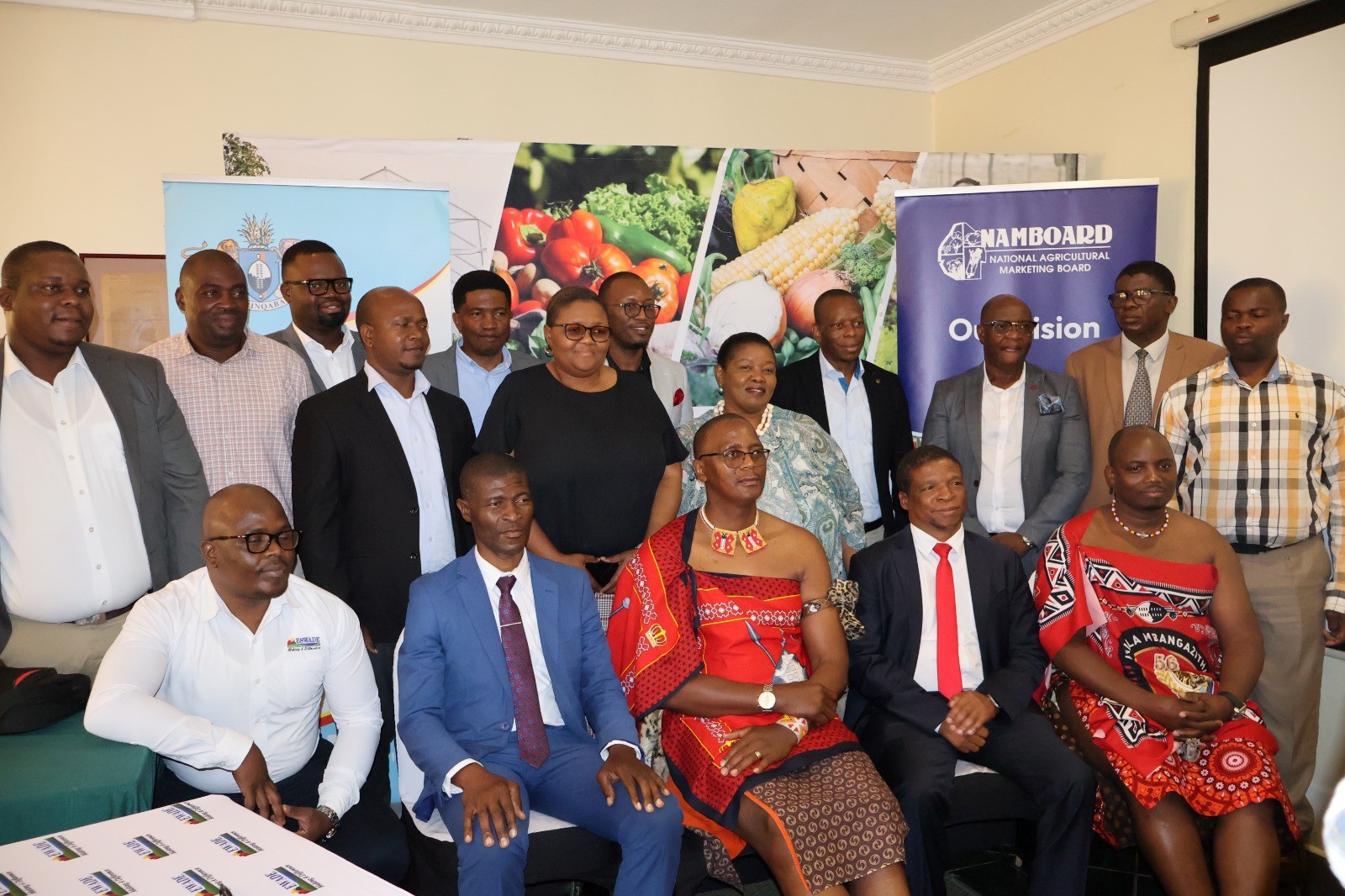
Eswatini’s agricultural sector has entered a new era of promise and collaboration following the signing of a landmark Memorandum of Understanding (MoU) between the Eswatini Water and Agricultural Development Enterprise (EWADE), the National Agricultural Marketing Board (NAMBoard), the Ministry of Agriculture, and the Deputy Prime Minister’s Office.
The agreement, which cements the launch of the Sustainable and Productive Agriculture for Eswatini’s Market and Environment Project (SAPEMP), has been hailed as a turning point for the country’s rural economy and food systems.
EWADE Chief Executive Officer Samson Sithole described the signing as a milestone in collaborative governance, where each institution contributes its unique strengths toward a shared national vision.
“SAPEMP is expected to not only enhance productivity but also establish a new model of inclusive, climate-resilient rural development for the country,” Sithole said.
For the Ministry of Agriculture, the MoU represents an opportunity to drive policies that transform farming from subsistence into a sustainable, commercialized, and competitive sector.
Acting Principal Secretary Nhlanhla Motsa reaffirmed the government’s commitment to SAPEMP, noting that its objectives align with Eswatini’s top national priorities.
“Our focus is on food and nutrition sovereignty, ensuring that every Liswati has access to sufficient, safe, and nutritious food. We are equally committed to employment creation, especially for youth and women, through agribusiness and value chain development, and to rural economic development by empowering smallholder farmers,” Motsa said.
He further pledged that the Ministry would continue to create an enabling environment through supportive policies, access to farming inputs and technologies, and robust extension services.
The Deputy Prime Minister’s Office, represented by US Makhosi Simelane, stressed that the agreement was more than just words on paper. “This is a call to action and not merely an agreement.
It is a commitment to create a sustainable agricultural sector that works for every Liswati,” she said.
The MoU emphasizes climate resilience, inclusiveness, and rural empowerment as cornerstones of SAPEMP. Stakeholders expressed confidence that the project will not only boost productivity but also unlock new opportunities for smallholder farmers to integrate into formal markets and thrive in agribusiness ventures.
As the ink dries on this historic agreement, all partners issued a collective call to action urging boldness, collaboration, and unwavering dedication to ensure that Eswatini’s farmers are equipped to feed the nation, drive rural development, and secure a sustainable agricultural future.