












Neal pushes for E2.2 billion loan bills
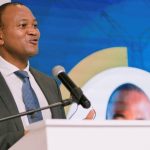
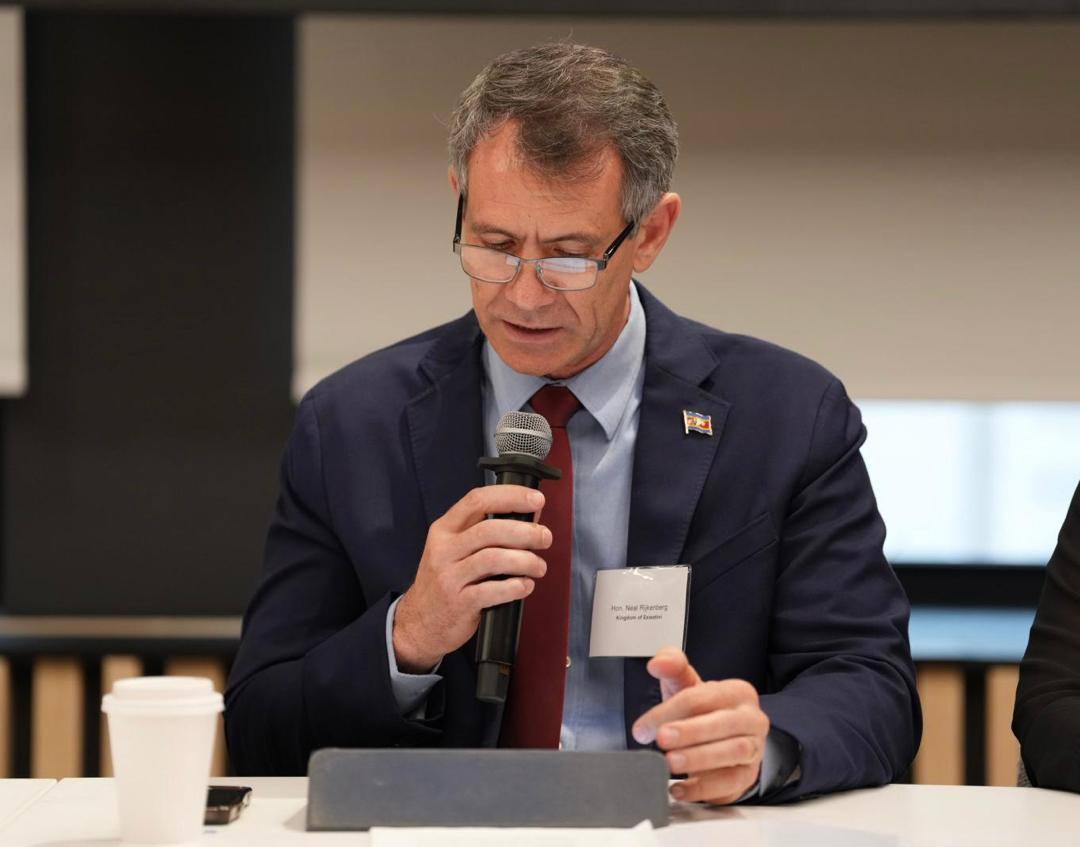 Minister of Finance Neal Rijkeberg is pushing for the approval of loan bills amounting to E2.2 billion.
By Delisa Magagula
The Minister of Finance, Neal Rijkenberg, might have his cake and get to eat it too.
That is if Senators support a series of proposed loan bills amounting to E2.2 billion, which he has described as critical to Eswatini’s economic development agenda.
On Tuesday, the Minister met with members of the Senate and other legislators to justify the new financial measures, which form part of a broader plan to secure more than E12.7 billion in total funding for national development.
The proposed loan bills are intended to address key national priorities such as infrastructure development, electricity access, fiscal reform, and support for government suppliers.
If approved, the bills will authorise the Minister of Finance to enter into loan agreements with various international financial institutions, including the African Development Bank, the World Bank, and the Export-Import Bank of the Republic of China (Taiwan).
The loan proposals, currently before Parliament, are designed to address key national priorities such as infrastructure development, electricity access, fiscal reform, and support for government suppliers.
The bills, if approved, will authorise the Minister of Finance to enter into loan agreements with various international financial institutions, including the African Development Bank, the World Bank, and the Export-Import Bank of the Republic of China (Taiwan).
Rijkenberg explained that these loans will not only stimulate investment in strategic sectors but also enhance the country’s capacity to sustain growth and maintain debt stability.
“We are seeking these facilities to fast-track development and support our fiscal framework,” he said.
The move comes as the government accelerates its post-pandemic recovery strategy and attempts to address long-standing infrastructure gaps that have constrained economic expansion.
Parliament has already been briefed on several loan bills, which collectively amount to E12.7 billion, with some portions already earmarked for specific projects.
Among the proposed loans is the Export-Import Bank of the Republic of China (Taiwan) Loan Bill, valued at approximately US$300 million, or E5.2 billion.
This facility is intended to finance the construction of a Strategic Oil Reserve Facility, a project that has been in planning stages for several years.
The oil reserve is expected to bolster Eswatini’s energy security, reduce the risk of fuel shortages, and strengthen the country’s emergency preparedness.
Another significant facility is the African Development Bank (AfDB) Loan Bill, amounting to US$140.6 million, or about E2.5 billion.
This loan will fund Phase I of the Road Infrastructure Improvement Programme, including the upgrading and tarring of the 105-kilometre Siphofaneni–Siphambanweni road.
The project, according to government projections, is expected to create around 1,500 jobs during its implementation and improve connectivity in the Lubombo region, a key agricultural and tourism zone.
The International Bank for Reconstruction and Development (IBRD), also known as the World Bank, is offering another facility valued at US$100 million (E1.8 billion).
This funding falls under the Fiscal Management and Competitiveness Development Policy Loan, aimed at supporting the government’s reform agenda, improving budget efficiency, and assisting with payments owed to suppliers.
Additionally, two Electricity-Access Loan Bills are being considered to accelerate rural electrification and promote renewable energy.
One loan, through the International Development Association (IDA), is valued at €37 million (E752 million), while the second, through the IBRD, amounts to €48.3 million (E982 million).
Combined, these facilities will support the rollout of clean and sustainable energy systems, expand grid connections to underserved communities, and modernise Eswatini’s power infrastructure.
The government is also preparing two additional bills for loans totalling US$95 million (about E1.7 billion) to clear arrears owed to local suppliers.
The Ministry of Finance says this measure will restore liquidity in the private sector and boost confidence among service providers who rely on timely payments from government contracts.
According to Rijkenberg, these financial instruments are part of a disciplined borrowing strategy that ensures debt remains sustainable while addressing urgent developmental needs.
“We are maintaining a careful balance between growth and fiscal responsibility,” he said, noting that Eswatini’s debt-to-GDP ratio remains below regional averages.
He added that the loans are expected to yield tangible social and economic benefits including job creation, infrastructure resilience, and improved access to essential services while positioning Eswatini for stronger medium-term growth.
Eswatini’s current debt levels stand at around 37 per cent of GDP, a figure that government economists consider manageable.
However, Rijkenberg acknowledged that prudent financial management will be essential as the country assumes new obligations.
“Our approach is to borrow responsibly, for productive projects that can generate economic returns,” he told Senators.
Analysts say the success of these initiatives will depend on effective project implementation and transparency in how the borrowed funds are used.
The Ministry of Economic Planning and Development, along with the Ministry of Public Works, is expected to coordinate the rollout of projects under these loan agreements once Parliament gives its approval.
Worth noting is that, the loan bills form part of the government’s broader vision to modernise Eswatini’s economy and enhance resilience in critical sectors.
The strategy also aligns with the National Development Plan, which prioritises infrastructure, energy security, and fiscal sustainability as key enablers of long-term growth.
“If passed, the E2.2 billion currently under discussion will represent an important phase in the implementation of this larger E12.7 billion financing framework a comprehensive effort that could reshape Eswatini’s development trajectory over the next decade,” said the Minister.