
















Government urges high performance as salary review takes effect
By Delisa Magagula
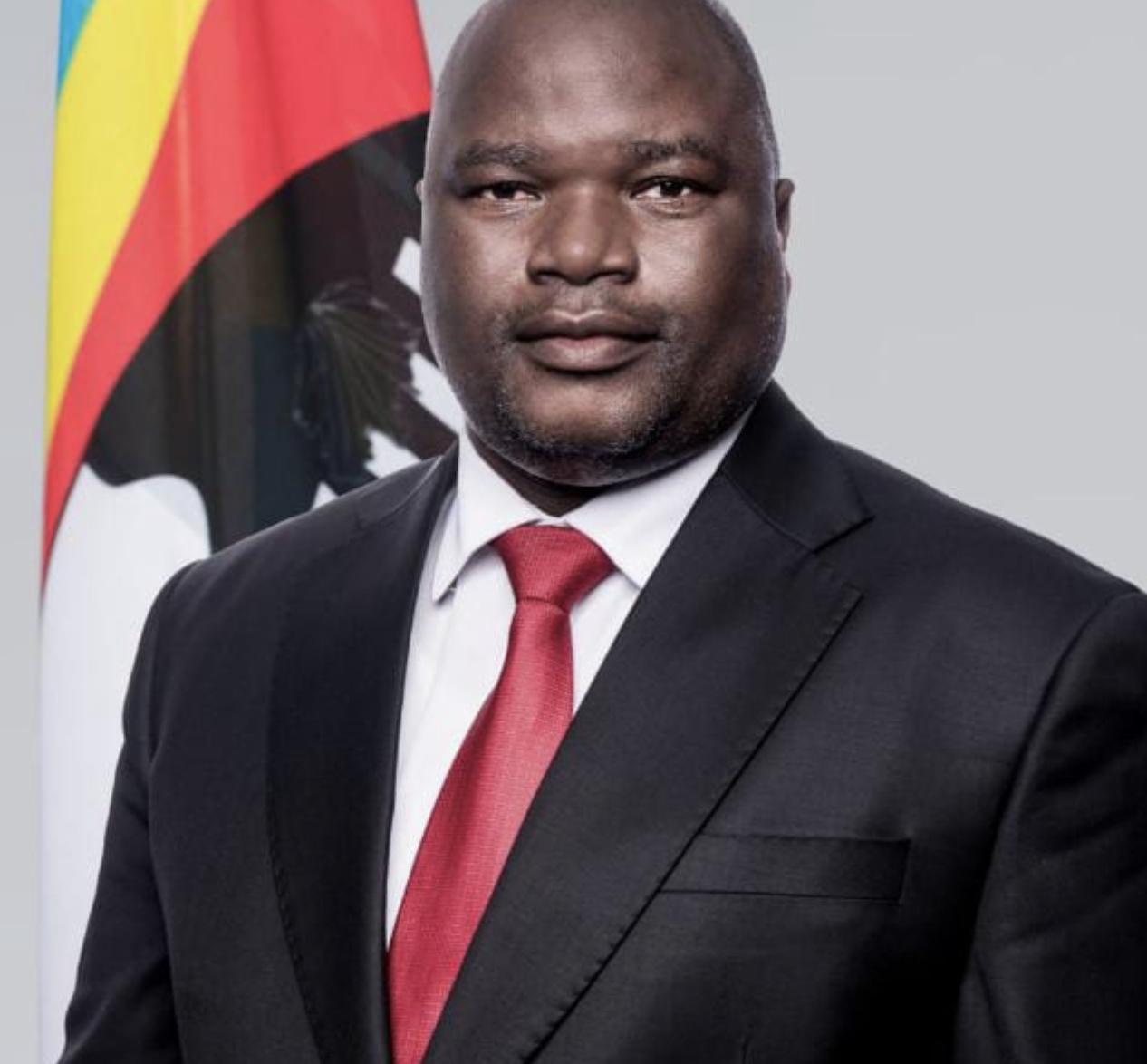
Minister of Public Service Mabulala Maseko has urged civil servants to match their long-awaited salary increases with higher levels of commitment and performance, warning against absenteeism and declining productivity in the public sector.
Speaking in an interview with this publication, Maseko said the government expects the recently approved salary review to translate into improved service delivery across all ministries.
“The government has fulfilled its part. With the new increases and the back pay that will follow, we expect civil servants to reciprocate through dedication, punctuality, and high performance,” he said.
“We must see fewer cases of absenteeism and underperformance. The people of Eswatini deserve value for every cent spent on the public service,” he added.
The minister said the government was pleased with the outcome of the review and the manner in which the negotiations were conducted between the Ministry of Public Service and the public-sector unions.
“The process was consultative and balanced. We are happy with the agreements reached and now expect all government departments to deliver results,” he added.
The salary review, which takes effect from October 2025, covers about 44,000 civil servants across all ministries.
It includes both salary adjustments and back pay, part of a wider E1.6 billion wage reform exercise facilitated by Emergence Human Capital and Umelusi Capital under the Ministry of Public Service.
Public servants interviewed said the review brought long-overdue relief, particularly amid rising living costs.
“It has been years since we had any meaningful adjustment. Many of us have been struggling to keep up with prices,” said Sibongile Dlamini, a nurse based in Mbabane Government Hospital.
“We appreciate the government’s effort. But we also understand that this means expectations will rise we have to deliver,” said another Civil Servant.
Another civil servant, Bongani Nxumalo, a senior clerk in the Ministry of Education, said the back pay will help many families’ clear debts.
“The back pay comes as a big help. Some of us have loans we took just to make ends meet. This is a fresh start. I agree with the minister now we must work harder because the excuses will no longer hold,” Nxumalo said.
Teachers, who form the largest segment of the public service, also welcomed the government’s commitment to fully implement the Scenario 3 salary model under the review.
“We’re encouraged that government honoured the agreement in full. It motivates us to keep standards high. When people are fairly compensated, they perform better,” Thuli Mavuso a school principal in Manzini said.
Worth noting is that, the comprehensive salary review began in 2024, aiming to align Eswatini’s public-sector pay with regional benchmarks and to address internal inequities. It assessed job profiles, allowances, and benefits across all grades.
Key components of the reform include:
Revised housing allowances ranging from E800 to E4, 000, depending on grade.
An increase in travel allowance from E0.16 to E0.67 per kilometre.
Implementations of 100% of the Category 3 scenario, with six months’ back pay effective from April 2025.
An estimated annual cost of E1.2 billion to E1.6 billion to the national budget.
The government has said 15% of back pay will be released in October 2025, with the remaining 85% scheduled for July 2026.
The salary review follows extensive negotiations under the Public Service Joint Negotiating Forum, representing government and worker federations, including SNAT, NAPSAWU, and SNA.
Maseko’s call for accountability echoes growing concern within government that increased pay must be matched by measurable results.
The Ministry of Public Service has also hinted at linking future adjustments to performance management outcomes.
“This is a new chapter for the public service. We want civil servants to take pride in their work and to deliver timely, quality services.
The salary review should not just be about money it must be about renewed commitment to excellence,” Maseko said.
He further said, for many civil servants, the message is clear; the long-awaited salary increases come with renewed expectations from the nation they serve.