
















Over 2,000 Swazi soldiers served in World War II, historians confirm
By Thokozani Mazibuko
More than 2,000 men from Eswatini then known as Swaziland served under the British Empire during the Second World War, according to newly revisited archival data and accounts from the Commonwealth War Graves Commission (CWGC) and local historians.
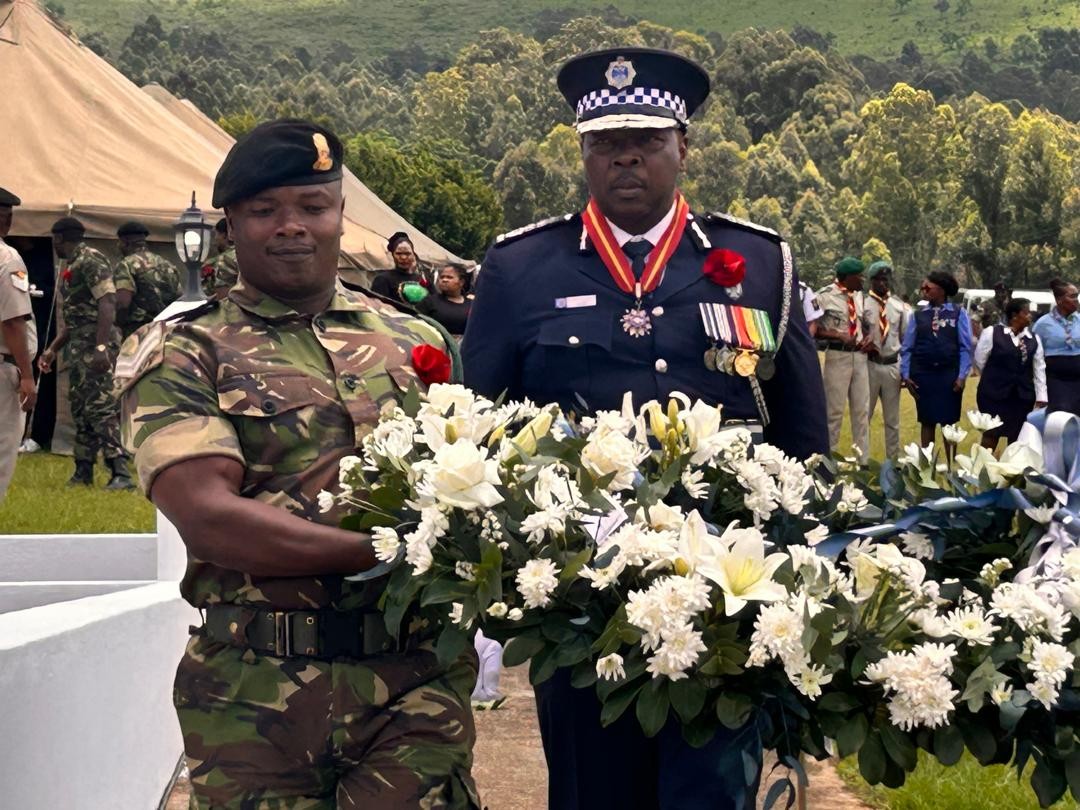
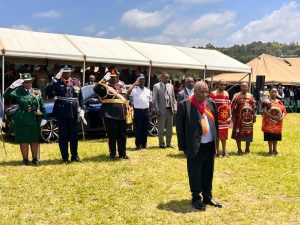
The revelation comes as the kingdom marks this year’s Umsizi Commemoration at Nokwane, honouring the country’s wartime contribution and its fallen heroes.
The event, held on Sunday, was attended by senior government officials, security forces, and representatives of the royal household.
Historical records show that the Eswatini soldiers, mostly volunteers, were recruited through the British High Commission territories, which included Basutoland (now Lesotho) and Bechuanaland (now Botswana).
Many served in the African Auxiliary Pioneer Corps and other logistical units in East Africa, North Africa, and the Middle East between 1940 and 1945.
“About 2,000 men from Eswatini joined the Allied war effort, providing essential labour and transport support to front-line operations,” said a former senior army officer who preferred to be anonymous a historian from the University of Eswatini.
“Though they were not in combat roles, their contribution was vital to maintaining military supply chains and infrastructure.”
According to the CWGC, several Swazi servicemen are buried in Commonwealth war cemeteries in Kenya, Egypt, and Italy testifying to the global reach of their service.
Many others returned home after the war to face economic hardship and limited recognition, a legacy that continues to inspire advocacy for veterans’ remembrance.
“These men left a small protectorate to serve in a world war that was not of their making,” the former EUDF Officer added. “Their courage deserves permanent recognition in our national narrative.”
Eswatini, then under British colonial administration, responded to the 1939 call for assistance shortly after Britain declared war on Germany. Recruits were trained at Mbuluzi and Big Bend before deployment to Allied operations abroad.
While their numbers were small compared to larger nations, Eswatini troops formed part of a broader Southern African effort that saw over 100,000 men from the region serve in various capacities.
As Eswatini observed this year’s commemoration, officials reflected on the sacrifice of those who never returned home.
“We remember them not just as soldiers, but as patriots who carried Eswatini’s spirit across continents,” said Dr Absalom Themba Dlamini, who represented His Majesty King Mswati III at the ceremony.
Eighty years after the guns fell silent, the story of Eswatini’s wartime generation 2,000 strong remains a symbol of national pride and global solidarity.