
















Doctors report treating over 20 pupil ‘hubbly’ smokers
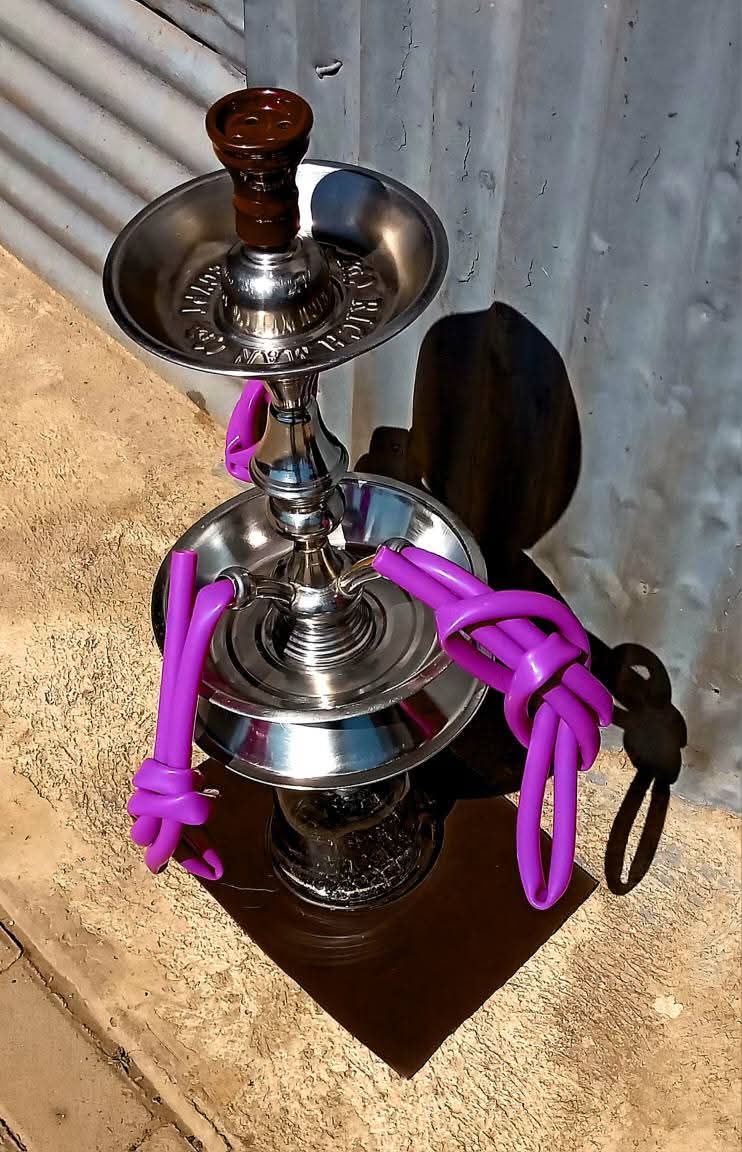
A growing number of pupils and teenagers are being treated for smoking-related illnesses at clinics in Manzini.
This is according to Dr Abul Maddans, a doctor practising in the city. He said he sees over 20 young patients each month, most of them presenting symptoms linked to vaping or nicotine dependence.
Dr Maddans said the cases include throat infections, chest tightness, persistent coughs, wheezing, dizziness and elevated heart rates.
“These are teenagers who have been vaping daily. Some of them use high-nicotine disposable vapes, and the concentration is much stronger than cigarettes,” he said.
In addition, he said, many of the pupils he treats were introduced to vaping at school.
Some started sharing devices during breaks, while others purchased them from older peers in their neighbourhoods.
“One of the boys I treated told me he vaped every hour. He started coughing blood, and only then did he tell his parents,” said Dr Maddans.
Dr Maddans said vaping symptoms can mirror adult smoking-related illnesses, which makes them easy for families to overlook.

“A parent might think the child has the flu but when we do examinations, we find irritation caused by aerosol inhalation,” he explained.
In addition, he said some youths combine vaping with cigarettes or marijuana, making treatment more complicated.
Worth noting, the October case in Mbabane highlighted the growing access children have to vaping devices.
Several of the pupils involved were under 12 years old. Police later confirmed that many devices recovered from schools in Mbabane, Manzini and Ezulwini contained high nicotine concentrations.
Dr Maddans said repeated exposure to nicotine in childhood can lead to lifelong dependency.
“Once their bodies adapt to the nicotine, they struggle to stop. Their school performance drops, and their sleep patterns change,” he warned.
Meanwhile, a significant study by the University of Cape Town (UCT) reveals that approximately 16.8% of high school pupils in South Africa are currently vaping, with rates soaring to nearly 30% among Grade 12 students.
The research highlighted alarming levels of nicotine addiction, with 88% of young vapers using nicotine-containing products and many exhibiting signs of strong dependence, such as needing to vape within an hour of waking.
Driven initially by peer pressure and curiosity, continued use is often linked to managing stress and recognised addiction, indicating a public health crisis exacerbated by the current lack of specific government regulations for e-cigarettes.