











Parliament embarks on groundbreaking reform journey with CPA support
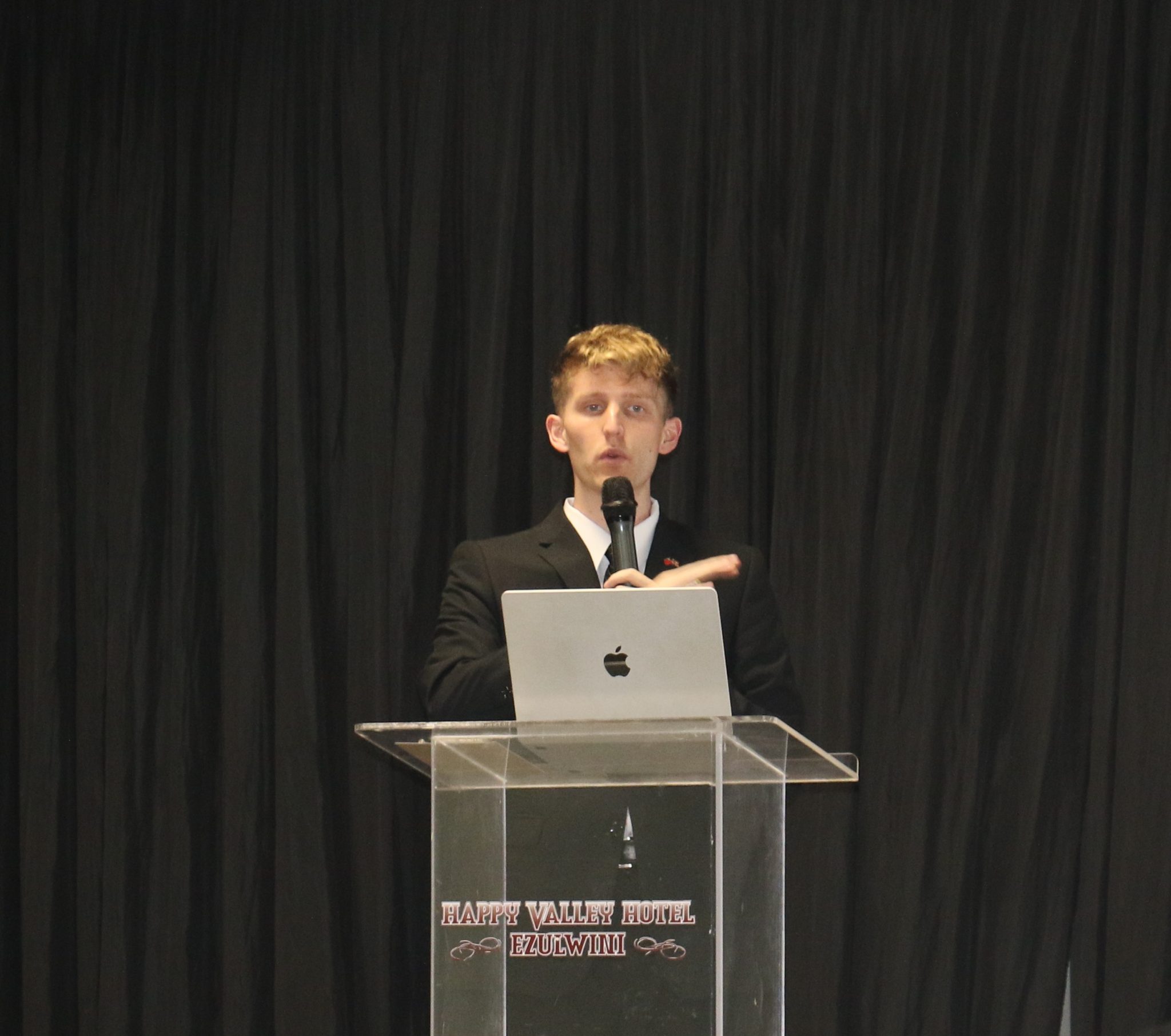
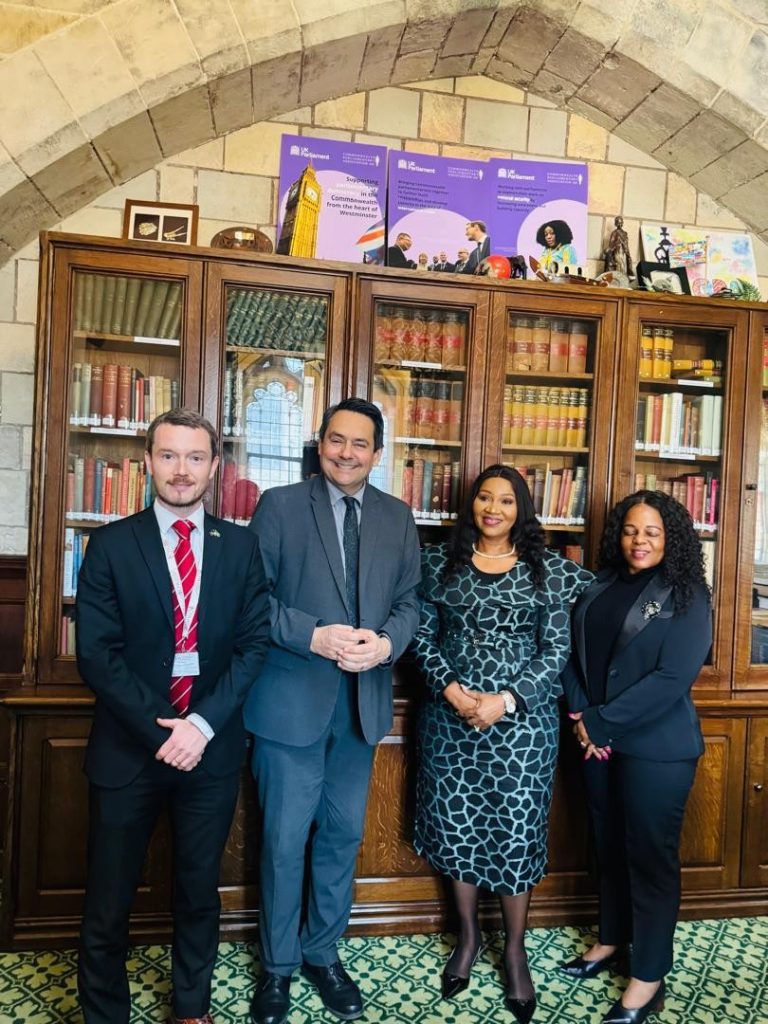
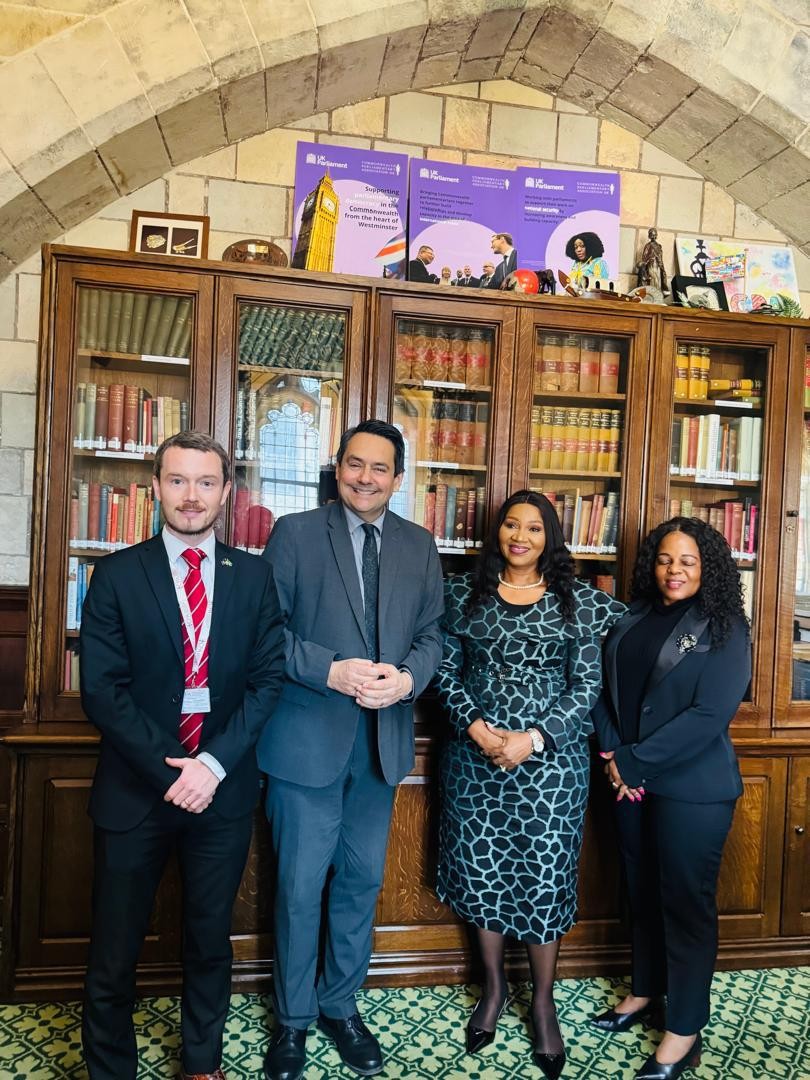 Senate President Lindiwe Dlamini with Secretary General of CPA Stephen Twiggs and Fraser Macintosh
by Ncaba Ntshakala
The Parliament of the Kingdom of Eswatini has taken a historic step toward institutional transformation through a vital collaboration with the Commonwealth Parliamentary Association (CPA), aimed at fortifying democratic governance and transparency.
This collaborative effort was ushered in through a rigorous self-assessment exercise conducted in September 2024, during which Eswatini became the 34th Commonwealth member of Parliament to adopt and implement the CPA’s Benchmarks for Democratic Legislatures.
The self-assessment drew participation from an extensive group of stakeholders, including the Attorney General’s Office, the Elections and Boundaries Commission (EBC),
Regional Administrators, Government Ministries, media representatives, civil society organisations, and other key actors in the governance landscape.
The review produced an independent report prepared by the CPA team and presented to Parliament in draft form.
This report outlined specific recommendations aimed at strengthening parliamentary functions and enhancing service delivery to the public.
These recommendations were further unpacked during consultations between the CPA Secretary General,
the CPA Secretariat, and the President of the Senate of Eswatini, who was in London at the time representing the Parliamentary Service at the invitation of the CPA Secretary General.
As a result of these discussions, a Memorandum of Understanding (MoU) was forged between the Parliament of Eswatini and the CPA.
The MoU, which will govern the partnership for a 13-month period, articulates four strategic focus areas.
Among them is the goal of enhancing institutional autonomy, particularly through reviewing and reinforcing the legislative and administrative frameworks that support the Parliamentary Service Board and associated structures.
Another objective is to professionalise parliamentary human resources by reforming internal HR policies to promote a more inclusive, capable, and effective workforce within the parliamentary service.
In terms of governance standards, the collaboration will also focus on establishing a comprehensive Code of Conduct and a Register of Interests for Members of Parliament,
marking a significant move toward accountability and ethical leadership. A further pillar of the reform is increasing accessibility and inclusion, with particular attention to improving engagement opportunities for persons with disabilities in all parliamentary processes.
In the course of the self-assessment, stakeholders did not shy away from highlighting areas where Parliament currently falls short.
Chief among these challenges is the lack of adequate support and facilities for persons with disabilities which is an issue that affects both Members of Parliament and the general public.
The collaboration with the CPA has already catalysed steps toward addressing this, with the launch of programs aimed at evaluating and reforming practices that hinder full participation by persons with disabilities.