













Ford Everest XLT may be the base, but it still hits hard
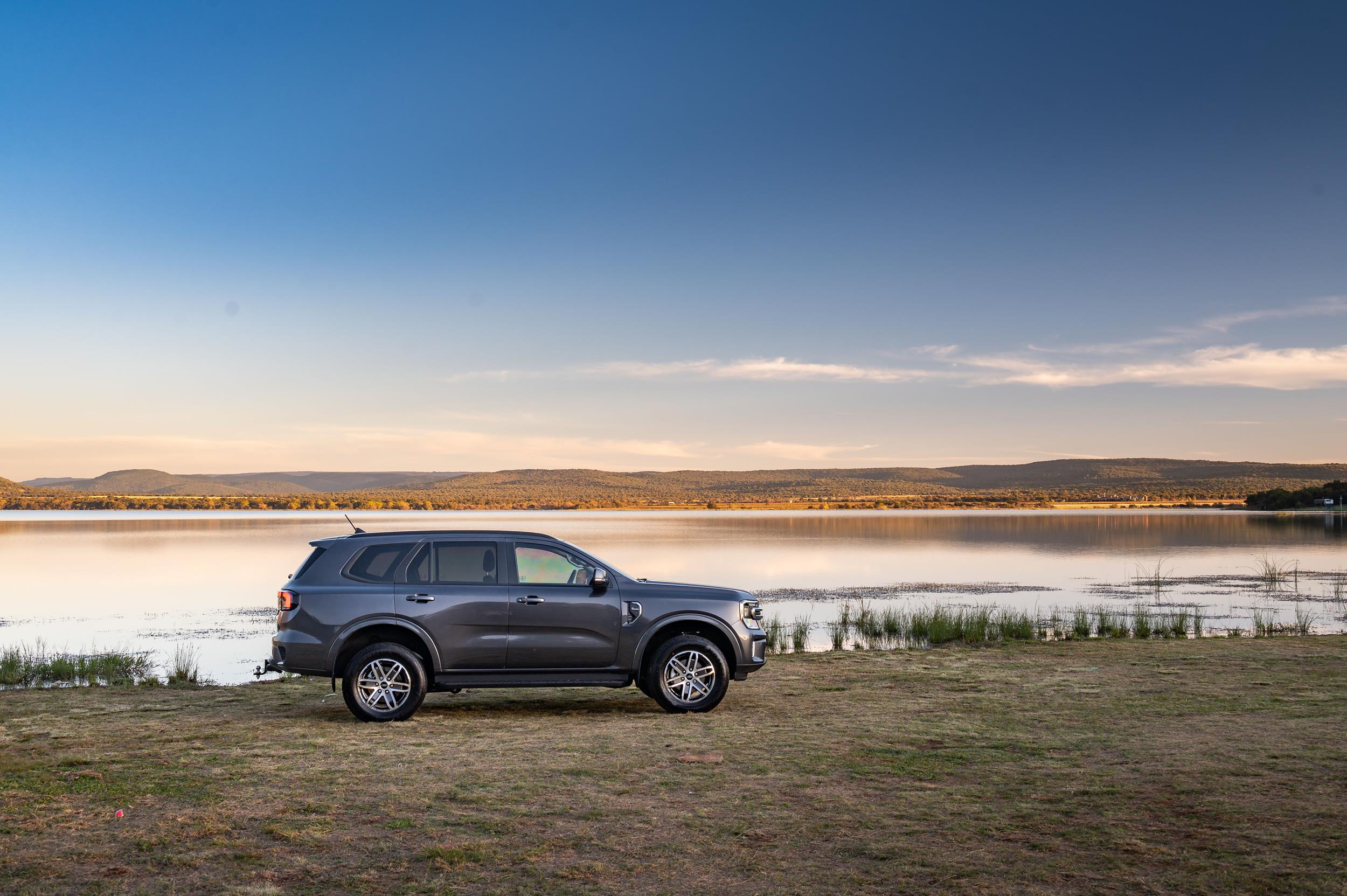 The Ford Everest XLT
By Prashirwin Naidu
After spending time in various Ford Everest trims, from the high-end Platinum to the Wildtrak and Sport, getting behind the wheel of the entry-level XLT is a notable shift. You wouldn’t immediately call it “basic” unless you’d driven the others. Even then, it holds its own remarkably well.
Of course, Ford has been under scrutiny lately due to its 3.0-litre V6 turbo-diesel engine, used in top-spec models like the Platinum Everest. My test unit, however, was the 2.0-litre bi-turbo diesel XLT. In my opinion, it’s a solid performer.
Sure, it delivers slightly less power than the V6, but it still packs a decent punch. Fuel consumption is also close to the bigger engine’s figure, hovering around 10 L/100 km.
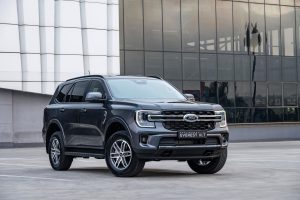
For those concerned about recent news, Ford South Africa is recalling particular V6-powered Ranger and Everest models built between June 2022 and March 2025. The issue involves a potential fault with the left-side camshaft sprocket that could cause engine failure or, in extreme cases, stalling that might lead to an accident.
READ MORE: Mercedes upbeat after binning suspension upgrade
Just over 1,050 vehicles are affected in Southern Africa—995 of them in South Africa. If you’re an owner, Ford will contact you directly, but you can also check your VIN at www.ford.co.za/owner/recalls. The inspection and repair are free, which shows Ford is being proactive about customer safety.
As for the XLT, I’m leaning in its favour. It’s the most affordable model in the Everest range, yet you wouldn’t think so from the driver’s seat. The 4×4 version I tested comes in at about R1,017,500. Even though it sits below the Platinum and Wildtrak in the lineup, it still delivers comfort, technology, and a premium feel.
Unlike the base versions of its rivals, the Everest XLT doesn’t scream “entry-level.” It rides on stylish 18-inch wheels, has full LED lighting, and features chrome accents for an added touch of class. If you hadn’t driven the Platinum or Wildtrak before, you might easily mistake this for one of the higher trims.
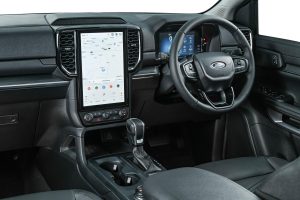
Inside, it continues to impress. Three rows of seats, leatherette upholstery, and an electrically adjustable driver’s seat come standard. What stands out most, though, is the tech: Ford’s SYNC 4A infotainment system is included, along with a full suite of driver assistance features—blind-spot monitoring, forward-collision warning, lane-keeping assist, and more.
READ MORE: Pros and Cons of Carpooling
Against the Toyota Fortuner and Isuzu MU-X, the Everest XLT feels more modern and refined. It strikes that balance between rugged, bakkie-based toughness and SUV-level comfort.
Power comes from Ford’s proven 2.0-litre twin-turbo diesel, producing 154 kW and 500 Nm through a 10-speed automatic gearbox. Ford appears to have ironed out past transmission niggles, as this setup now feels smooth, responsive, and confident.
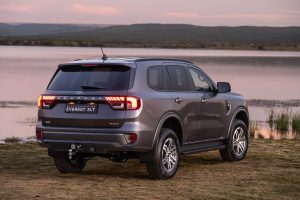
Fuel consumption during my test was about 10 L/100 km—close to the V6’s figure. While it’s not the most economical in the range, it delivers strong, versatile performance across conditions, from smooth highways to waterlogged, pothole-ridden back roads.
Choosing the XLT over the Sport or Wildtrak saves you a fair chunk of money, and it doesn’t feel like a compromise at all. © 2025 HigherEducationMedia.