








Foreign Affairs Ministry Bridges Gap with Parliament in Strategic Policy Dialogue
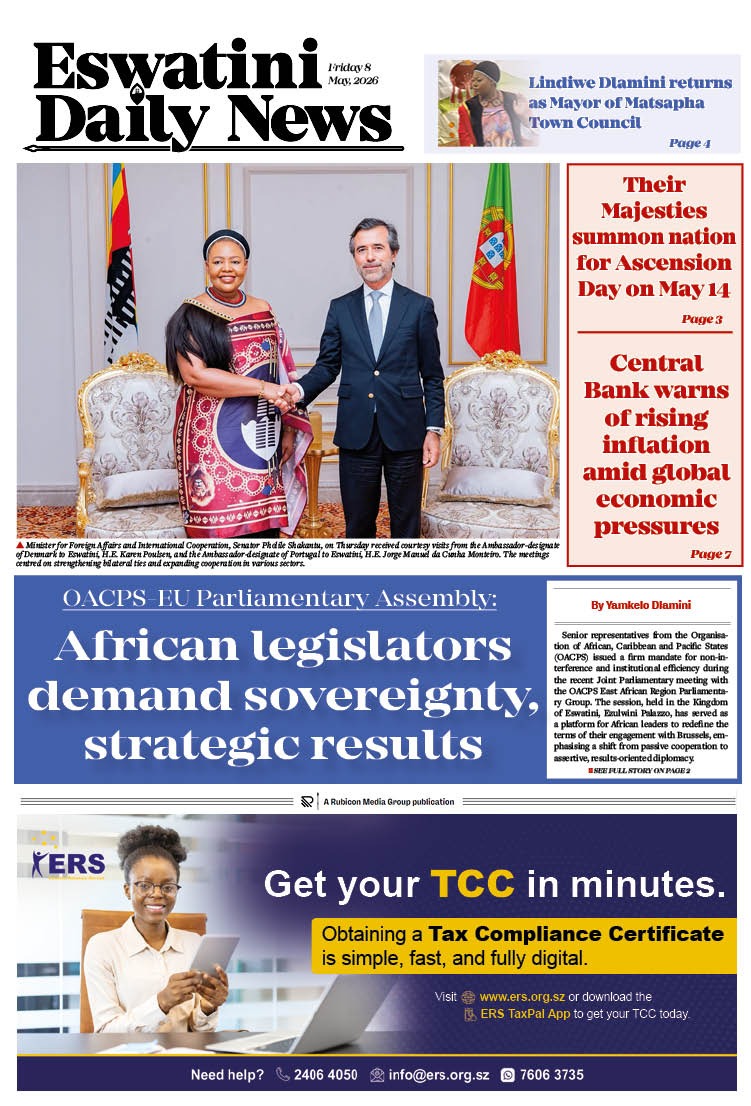
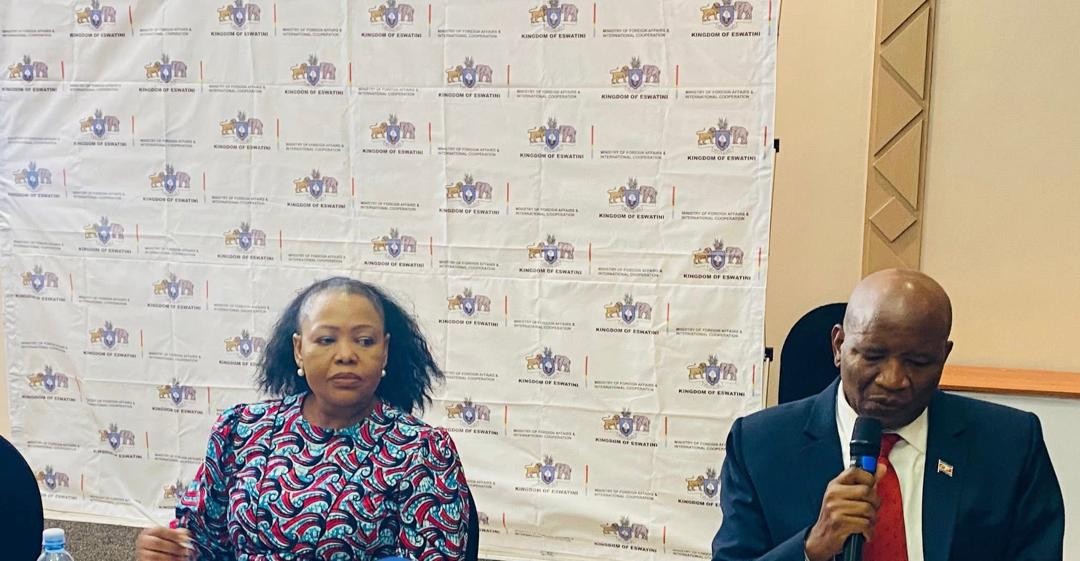 Minister of Foreign Affairs and International Cooperation Pholile Shakantu explained that border control remains a critical tool for national security, economic management and the reg
By Thokozani Mazibuko
In a rare and constructive engagement, Senators and Members of Parliament (MPs) set aside formalities to engage directly with the Ministry of Foreign Affairs and International Cooperation this week at the Royal Villas Hotel.
The meeting aimed to deepen understanding and cooperation between the ministry’s international mandate and the legislature’s crucial oversight function.
Amid discussions spanning a broad spectrum of foreign policy and diplomatic matters, one topic captivated lawmakers’ attention: the prospect of passport-free travel. This idea drew inspiration from the recent agreement between Zambia and Zimbabwe, which allows citizens of those countries to cross their shared border without passports.
However, Minister of Foreign Affairs and International Cooperation Pholile Shakantu was clear: Eswatini is not considering a similar open-border policy.
“For now, the gates stay guarded to keep a close eye on comings and goings,” Shakantu said, emphasising that border controls remain essential for safeguarding national security, managing the economy, and regulating movement into and out of the kingdom.
She underscored Eswatini’s distinct geopolitical situation. Being landlocked within South Africa and sharing a limited border with Mozambique necessitates a customised approach to border management.
“Our context is not the same as Zambia and Zimbabwe,” the Minister explained, adding that any future consideration of relaxed border controls would require thorough studies, regional consensus, and guarantees that national sovereignty and stability would remain uncompromised.
The gathering also served to inform legislators about the ministry’s operative framework, structured around three pillars: diplomacy, economic advancement, and international cooperation.
Shakantu elaborated how these priorities interlink: diplomacy facilitates bilateral and multilateral relations, economic advancement drives trade and investment partnerships,
and international cooperation fosters collaboration with global and regional institutions, delivering shared development benefits while contributing to peace and security.

Highlighting parliament’s pivotal role, Shakantu encouraged MPs and Senators to engage actively in foreign affairs, stressing that the ministry’s success depends heavily on legislative backing through the passage of laws and ratification of international treaties.
Addressing persistent external misconceptions about Eswatini’s political system, the Minister lamented how misunderstandings often stem from outsiders unfamiliar with the country’s unique governance structure.
She urged lawmakers to be well-informed ambassadors of Eswatini’s policies, capable of articulating the nation’s positions both domestically and internationally.
By the meeting’s close, MPs and Senators expressed gratitude for the ministry’s transparency and pledged ongoing collaboration. “The Ministry of Foreign Affairs operates under three pillars, diplomacy, economic advancement, and international cooperation, which guide our global engagement in line with national interests.
Eswatini is a sovereign nation, and our political system, borders, and governance reflect that reality. We do not simply follow trends; we make decisions based on what best serves our people and our future,” Minister Shakantu affirmed.
She reiterated the ministry’s commitment to educating both citizens and international partners. “Understanding our political system is essential—not only for meaningful dialogue but also for safeguarding the values that define us as a nation,” she concluded.
This dialogue marks a significant step in enhancing synergy between Eswatini’s external affairs and domestic governance, reinforcing a united front as the country navigates a complex global landscape.