
















Teen pregnancy on the rise
By Delisa Magagula
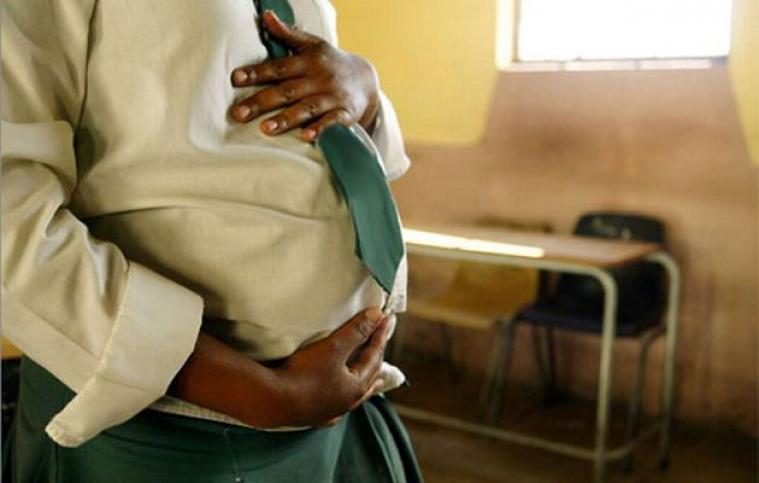
Teenage pregnancy remains a pressing issue in Eswatini, with hundreds of young girls leaving school each year due to early motherhood. The latest statistics reveal an increase from the previous year.
According to the Ministry of Health, 536 teenage pregnancies were recorded across the country last year. The statistic was revealed during a campaign aimed at raising awareness about teenage pregnancy, held in Mbabane last month.
A representative from the ministry stated that the high number of teenage pregnancies continues to pose challenges for the country’s social and economic development.
“Teenage pregnancy is a concern because it has ripple effects, including school dropouts and increased poverty levels,” the official said.
“This undermines the country’s ability to meet the Sustainable Development Goals, such as reducing poverty, improving access to education, and achieving gender equality,” added the official.
Meanwhile, the Minister of Health, Mduduzi Matsebula, noted that teenage pregnancy directly impacts the nation’s ability to achieve global commitments such as the Sustainable Development Goals (SDGs). Early motherhood often interrupts education, limiting future employment opportunities for girls.
He added that the Ministry of Health, working together with the Ministry of Education and Training, is seeking ways to strengthen awareness programmes and improve access to reproductive health services for young people.
“Education campaigns are ongoing, but the numbers show that more needs to be done at the community level, schools, and health centres,” said the Minister.
Worth noting is that teenage pregnancy is not the only child-related challenge recorded in official reports. The Deputy Prime Minister’s Office, in its first quarter performance report for the period April 1 to June 30, revealed that it handled 106 cases involving children in conflict with the law.
The report stated that these cases had been referred by the Royal Eswatini Police Service (REPS) to the Department of Social Welfare.
The department then carried out age assessments, prepared court reports, and facilitated pre-court sessions for the children.
The services provided included counselling, which was aimed at ensuring that children received psychological and emotional support before appearing in court.
Meanwhile, of the 106 cases, 19 involved rape. These were spread across the country’s four regions. The Shiselweni region recorded the highest number of cases, at seven, followed by Lubombo with five cases. Hhohho recorded four cases, while Manzini reported three.
The DPM’s office report further noted that in the same period of the 2024/25 financial year, a total of 176 cases involving children in conflict with the law were handled.
Of these, 35 children had been reported for rape-related offences. The Shiselweni region again recorded the highest number, with 23 cases.
Lubombo recorded eight cases, Hhohho had four cases, while Manzini did not report any rape offences committed by minors in that period.
Officials explained that the prevalence of teenage pregnancies and offences involving children highlights the need for stronger social support systems.
“These challenges affect education, the welfare of children, and community stability. Interventions must involve schools, families, and community leaders,” said Matsebula.