














Over E14 Million spent on suspended Government employees
By Delisa Magagula
The Government of Eswatini continues to spend millions of Emalangeni annually on salaries for suspended employees, some of whom have been away from work for over a decade.
Figures recently tabled before Parliament revealed that over E6.1 million is being spent yearly on civil servants who remain on full pay despite being suspended.
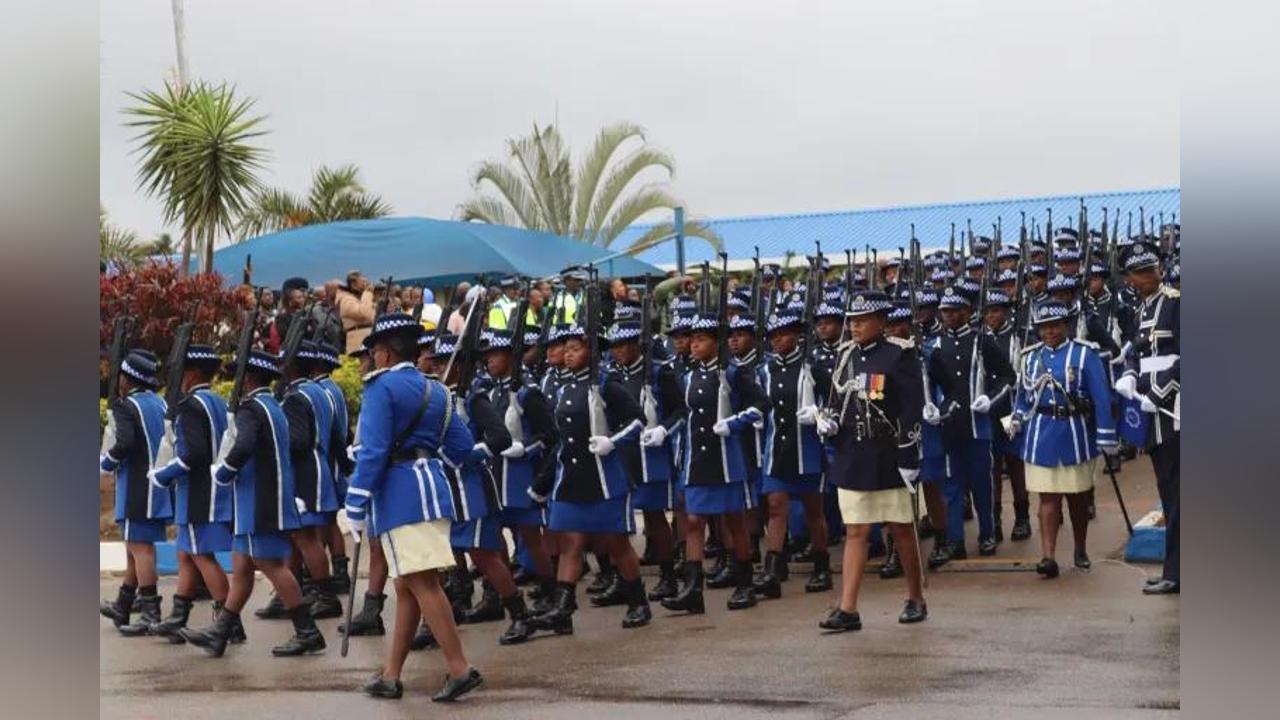
In addition, the government has paid more than E8.3 million in salaries to 24 suspended police officers since November 2022, bringing the total bill for suspended employees to over E14 million.
According to the Ministry of Public Service, suspended civil servants across various government ministries and departments receive a combined monthly salary of E509 673.66. This translates to over E6.1 million annually.
The officials, who include store clerks, accountants, drivers, fuel attendants and cleaners, were suspended on allegations ranging from fraud and corruption to theft, trafficking, rape and even murder.
Some of them have been off duty on full pay since as far back as 2010, with their cases yet to be concluded. The Civil Service Commission (CSC) has now begun reviewing the matter.
Officials said the review would determine whether the suspensions should be lifted, whether the cases should be finalised, or if disciplinary processes should proceed.
The prolonged delays have attracted attention from Parliament, with the Public Accounts Committee (PAC) repeatedly calling on the government to resolve the cases.
Legislators have argued that keeping suspended employees on the payroll for years without finalising their matters continues to drain public funds. According to reports, the government has also been paying 24 suspended police officers, all of them junior constables, who were suspended in November 2022.
The officers were accused of participating in activities linked to the Royal Eswatini Police Staff Association (REPOSA). According to official records, the officers organised and attended a meeting in Manzini on September 3, 2022, despite being ordered not to.
They were also part of a march to deliver a petition to then Prime Minister Cleopas Sipho Dlamini, seeking engagement on the implementation of Phase II of the salary restructuring exercise of 2014 for police and Correctional officers.
Some officers were further suspended on allegations that they were among those who visited the residence of the former prime minister.
The late former National Commissioner of Police, William Tsitsibala Dlamini, said their actions violated Section 68 (3) of the Police Service Act of 2018.
Despite being off duty for nearly three years, the officers continue to receive their full salaries. Based on figures in the Kingdom of Eswatini Establishment Register supporting the 2024/25 financial year expenditure, a police constable at the lowest notch (notch 1) earns E125 807 per year, equivalent to about E10 483 per month.
At this rate, the government has paid a total of E8 302 536 in salaries to the suspended officers over 33 months. The figure is even higher when calculated using salaries at the highest constable notch (notch 10). REPOSA Chairperson Sergeant Isaac Lukhele confirmed that the suspended officers remain on full pay.
He said that while this continues to be the case, there is a need to pursue the matter further so that it can be finalised.
He also noted that the suspended officers would still benefit from the Phase II salary restructuring exercise, which was finalised last week. Parliamentarians have for years questioned the rationale of paying suspended officers and employees indefinitely.
The PAC, in particular, has pressed the government to make a decision on whether such employees should be reinstated, disciplined, or dismissed in accordance with the law.
The Ministry of Public Service has acknowledged the concerns and has said the review currently underway is aimed at ensuring fairness while also protecting the public purse.
Meanwhile, observers note that the combined salary bill for suspended employees, more than E14 million so far, comes at a time when the government is under pressure to reduce expenditure, implement reforms and meet its commitments under the 30-year Grand Plan, which seeks to transform Eswatini into a first-world nation.
Regional Political Analyst Andrew Maichava says the issue of prolonged suspensions is not new.
“Records show that several employees across ministries have been suspended for over a decade without their cases reaching finality. Others have been charged in court but remain on full pay while awaiting outcomes,” he said.
He further said, in some cases, the employees have died while still on suspension, with their families continuing to benefit from salaries and allowances until formal processes were concluded.
“The financial strain is further compounded by the large number of officers within the police service and other departments who are also on suspension. Each case adds to the salary bill, even though the employees are not rendering any services,” said Maichava.
Meanwhile, the CSC has stated that the current review will categorise cases according to their status. Those that can be finalised administratively will be concluded, while others tied up in the courts will remain under judicial processes.
Officials said the aim was to strike a balance between protecting employees’ rights and ensuring that taxpayers’ money is not wasted on indefinite suspensions.
With Parliament and the public increasingly vocal on the matter, the government is under pressure to resolve the issue and bring accountability to the system.