











PM urges global support to boost Africa’s renewable energy financing to 20% by 2030
By Siphesihle Dlamini
Prime Minister Russell Dlamini has delivered a compelling call for international support to accelerate Africa’s transition to renewable energy and secure equitable climate financing.
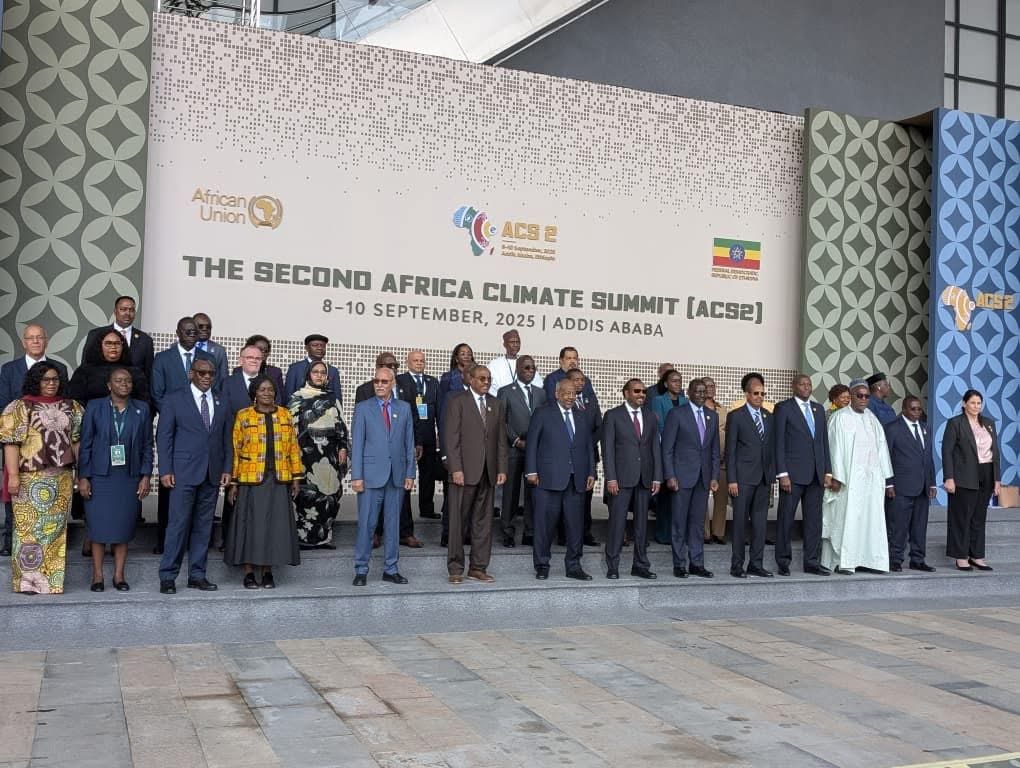
Speaking at the opening of Africa Climate Week in Addis Ababa, Ethiopia, the Prime Minister emphasised the urgent need for transformative investments to raise Africa’s share of renewable energy financing to at least 20 per cent by 2030.
The event, themed “Accelerating Global Climate Solutions – Financing for Africa’s Resilient and Green Development,” provided a critical platform for African leaders to unite on climate action and sustainable development.
Highlighting the continent’s significant financing gap, PM Dlamini referenced the Intergovernmental Panel on Climate Change’s Sixth Assessment Report (AR6), which states that Africa requires nearly US$3 trillion to meet its Nationally Determined Contributions (NDCs) by 2030.
Despite this enormous need, climate finance flows to Africa remain grossly inadequate, totalling only US$30 billion between 2021 and 2022. This shortfall threatens the continent’s ability to combat climate change effectively and transition to clean energy sources.
“The Kingdom of Eswatini joins the call in the Draft Declaration for transformative climate financing, moving from aid to strategic investments in local innovation,” the Prime Minister asserted.
He stressed the importance of equitable access to finance and called for reforms in global funding mechanisms, including Multilateral Development Banks (MDBs), to increase concessional finance and enhance African representation.
He also advocated for debt instruments that facilitate climate action without imposing unsustainable burdens on African economies.
A key component of the PM address was the emphasis on operationalising critical climate finance instruments. He underscored the necessity of activating the Fund for Responding to Loss and Damage and advancing the New Collective Quantified Goal (NCQG) on climate finance.
Furthermore, he supported the establishment of high-integrity carbon markets through initiatives such as the Africa Action Plan on Carbon Markets (AAPCM).
The Prime Minister warned against unilateral measures like the European Union’s Carbon Border Adjustment Mechanism, which risks penalising developing countries and could cost Africa up to US$25 billion annually by 2030, jeopardising the continent’s development trajectory.
Reaffirming Eswatini’s commitment to climate action rooted in African values, Dlamini invoked the Tinkhundla system of governance, which centres decision-making on people and communities.
He pledged to collaborate with all African Member States to ensure climate action is inclusive, equitable, and responsive to the needs of citizens.
The Prime Minister also expressed support for the Africa Climate Innovation Challenge (ACIC) and other mechanisms designed to channel catalytic finance toward youth-led enterprises and nature-based solutions, recognising the pivotal role of grassroots innovation in building climate resilience.
“Africa’s climate resilience is not just essential for our survival, it is indispensable to global stability and prosperity,” he stated. He urged global partners to view Africa’s climate challenges as opportunities for green growth, shared prosperity, and climate justice that will benefit generations to come.
Africa Climate Week serves as a vital forum for governments, private sector stakeholders, civil society, and international partners to collaborate on climate solutions tailored to the continent’s unique challenges.
The Prime Minister’s address underscored the need for solidarity, strategic investment, and inclusive governance to unlock Africa’s renewable energy potential and build a sustainable future.