












Shelter Afrique and Afreximbank Join Forces to Unlock $1 Billion for Africa’s Cities
By Karabo Ngoepe
Africa’s ambition to build resilient, inclusive, and sustainable cities received a major boost this week after two of the continent’s biggest development financiers struck a landmark deal expected to unlock at least US$1 billion in housing and infrastructure investments.
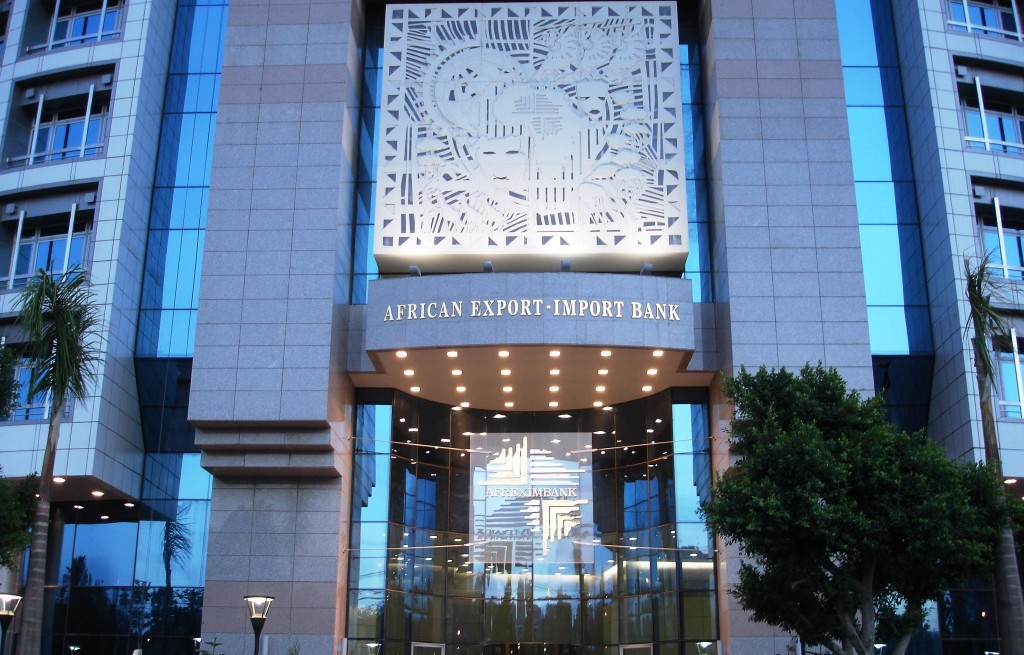
On the sidelines of the Intra-African Trade Fair (IATF2025) in Algiers, Shelter Afrique Development Bank (ShafDB)and the African Export-Import Bank (Afreximbank) signed a Joint Project Preparation Facility (JPPF) Framework Agreement.
The deal, sealed by ShafDB Managing Director and CEO Thierno-Habib Hann and Afreximbank’s Export Development Managing Director Oluranti Doherty, aims to tackle one of the most stubborn bottlenecks in Africa’s housing and infrastructure sector: moving projects from the drawing board to bankability.
The JPPF will focus on sectors that are central to Africa’s rapid urbanisation and industrialisation: housing, construction, healthcare, hospitality and tourism, manufacturing of building materials, logistics hubs, industrial parks, and special economic zones.
For Hann, the agreement could be a game-changer. “Our sector faces two major structural challenges: the lack of reliable data and the insufficient preparation of projects,” he said.
“At ShafDB, we’ve already tackled the data gap through our VIRAL model, a data-driven framework for evidence-based decision-making.
Today, this partnership with Afreximbank addresses the second challenge by ensuring projects move from concept to bankability with speed and precision.”
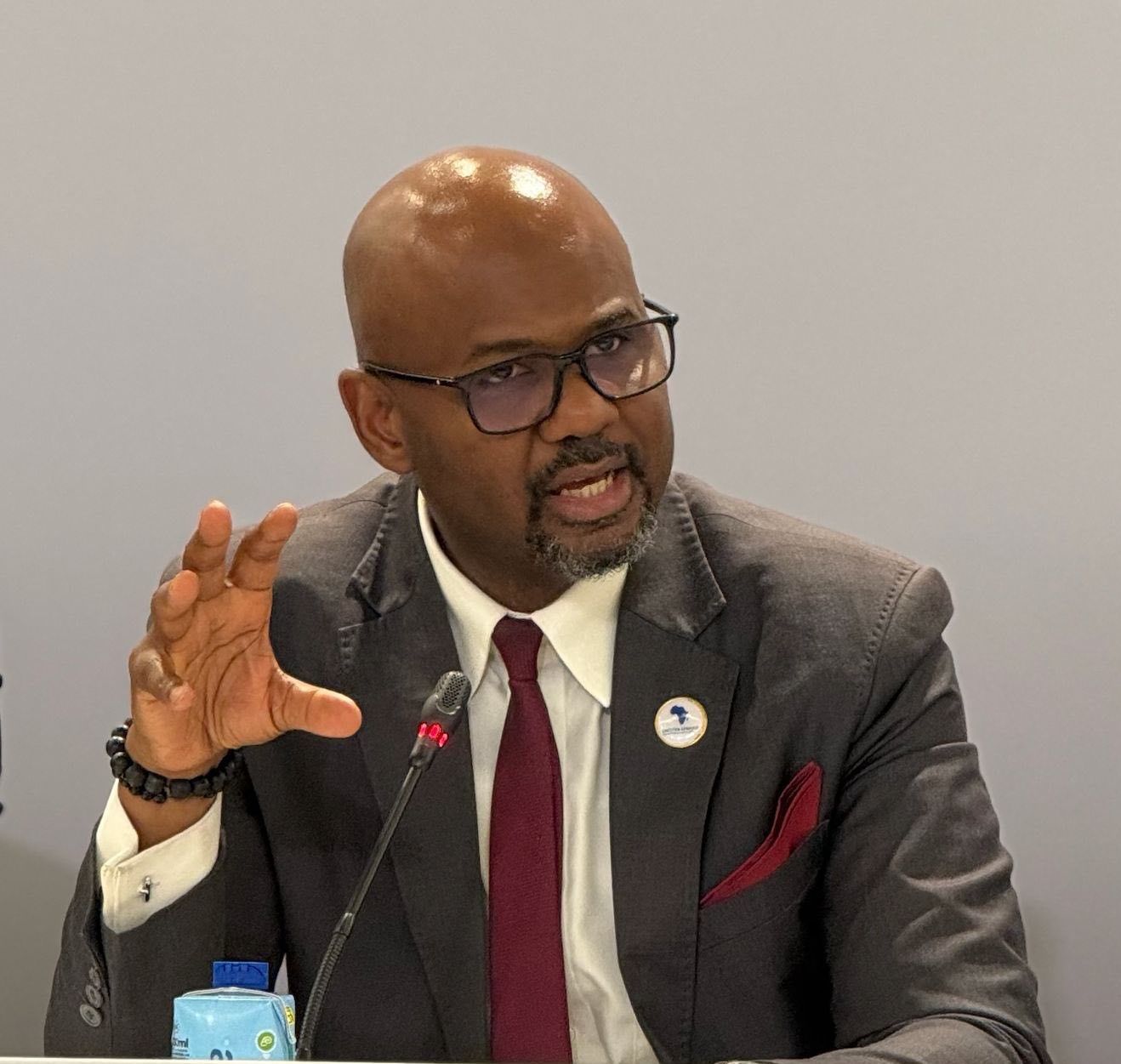
Hann noted that with more than US$1 billion in investments on the line, the initiative will be key to building “resilient, inclusive, and sustainable cities across Africa.”
Afreximbank’s Doherty echoed the sentiment, describing the deal as a “catalyst” for private sector participation. “By combining ShafDB’s expertise in housing and urban development with Afreximbank’s experience in project preparation, we can unlock new opportunities and deliver transformative projects,” she said.
She added that the JPPF is not just about financing, but also capacity building. The programme includes training to equip ShafDB staff with the skills to prepare bankable projects, ensuring a steady pipeline well into the future.
“This partnership aligns with our shared vision of promoting economic growth and creating hubs that support trade and services. It’s about delivering sustainable urban development while strengthening Africa’s role in global trade,” Doherty said.
Both Afreximbank and ShafDB are members of the Alliance of African Multilateral Financial Institutions (AAMFI), a coalition of homegrown lenders designed to reduce dependence on external financing and encourage African solutions to African problems.
Their collaboration comes at a critical moment. Africa’s urban population is projected to double by 2050, with cities expected to absorb over 950 million new residents.
The demand for affordable housing, modern infrastructure, and industrial platforms is already straining existing resources.
Experts argue that without adequate preparation, even well-funded projects risk stalling. By pooling technical expertise and financial muscle,
ShafDB and Afreximbank hope to ensure that projects are not just ambitious but also practical, bankable, and ready for investment.
The signing also underscored the importance of the Intra-African Trade Fair (IATF2025) as a platform for big-ticket deals. The fair, which ran from 4 to 10 September in Algiers, is projected to have resulted in US$44 billion worth of trade and investment deals across the continent.
For ShafDB and Afreximbank, the partnership is about more than numbers. It signals a step toward an Africa that invests in itself, builds for its people, and charts its own development path.
As Hann put it: “This agreement is not just about unlocking capital. It is about unlocking Africa’s potential.”