
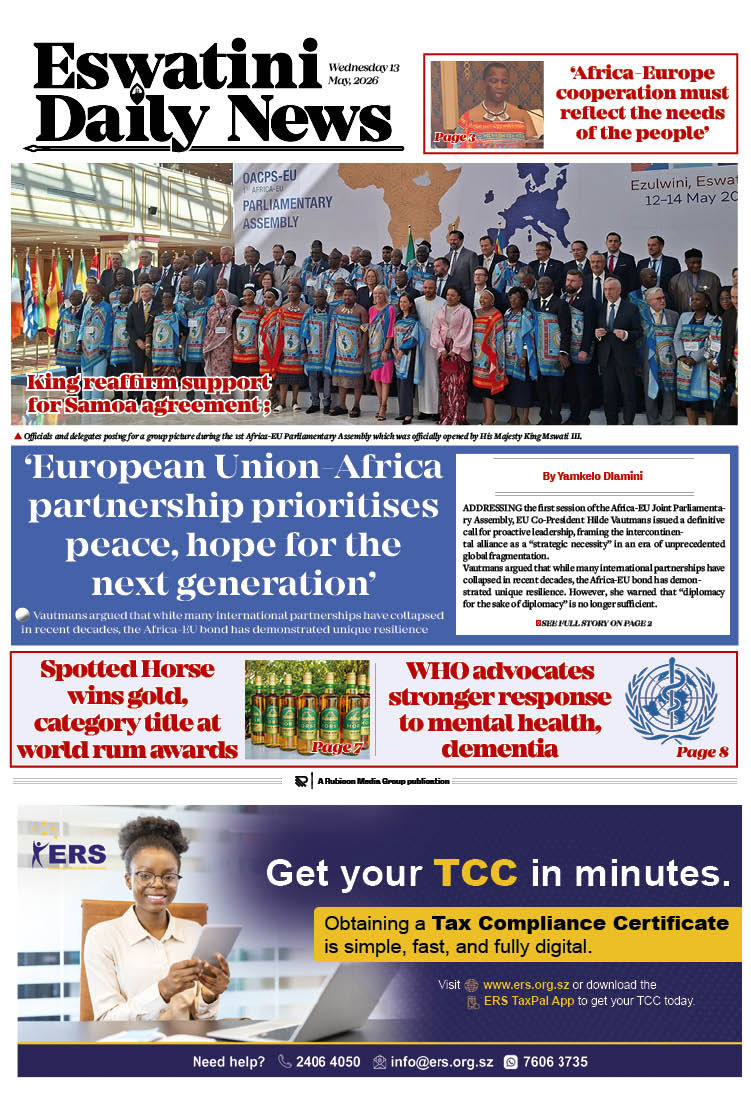















Eswatini launches drought centre of excellence
By Delisa Magagula
Eswatini has announced the launch of the Drought Centre of Excellence, a regional hub dedicated to advancing knowledge, policy, and capacity for drought resilience across Southern Africa.
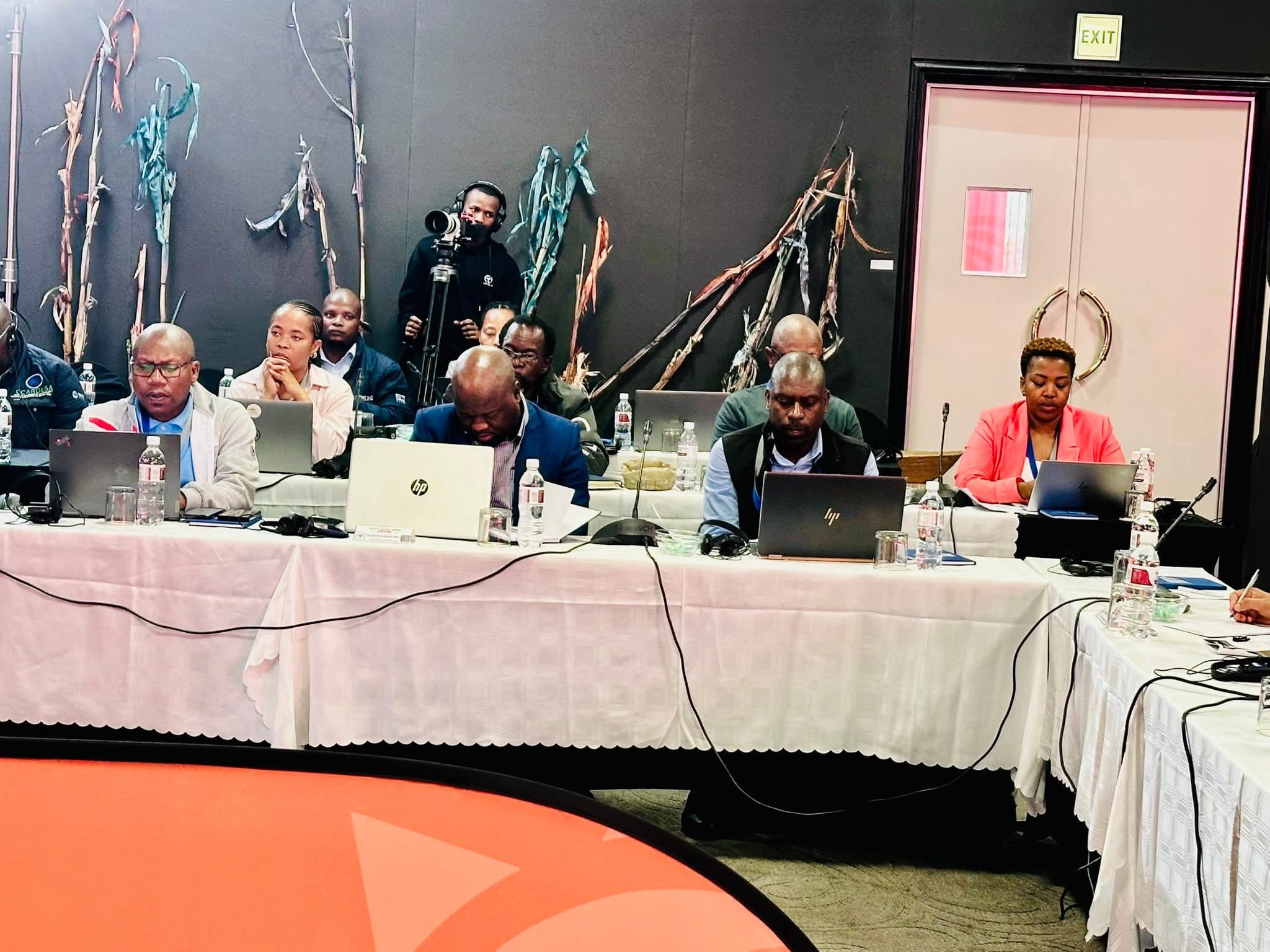
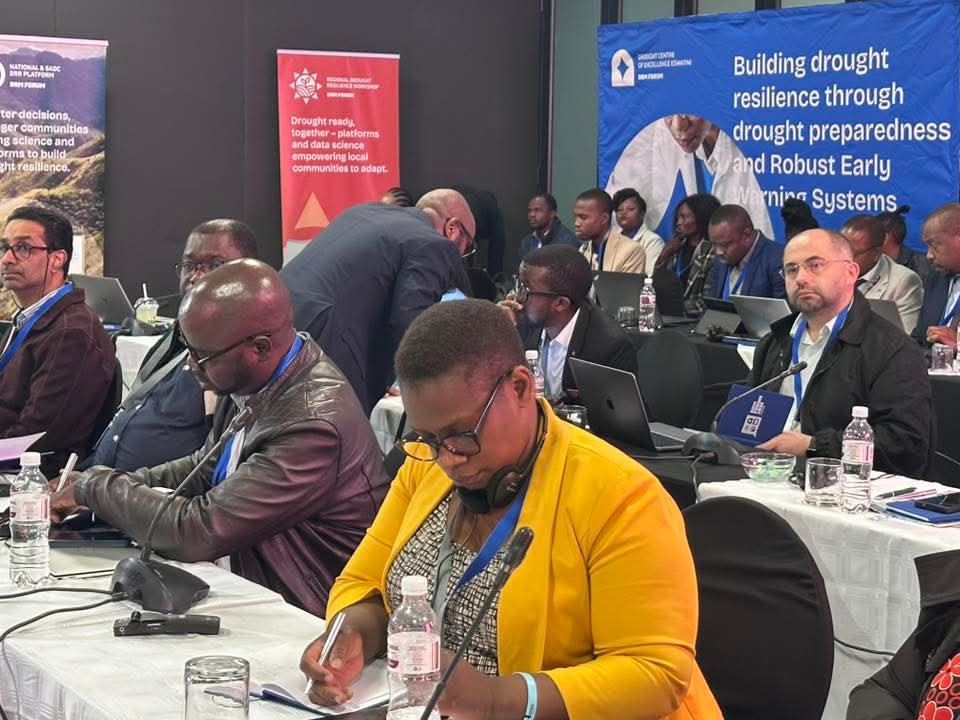
The launch was confirmed during the Disaster Risk Management Forum, held from September 15- 19, 2025 at Happy Valley Hotel in Ezulwini, hosted by the National Disaster Management Agency (NDMA) with support from the World Bank.
The initiative positions Eswatini as a central player in regional disaster preparedness, with the Centre expected to serve as a knowledge base, training facility, and coordination platform for SADC member states.
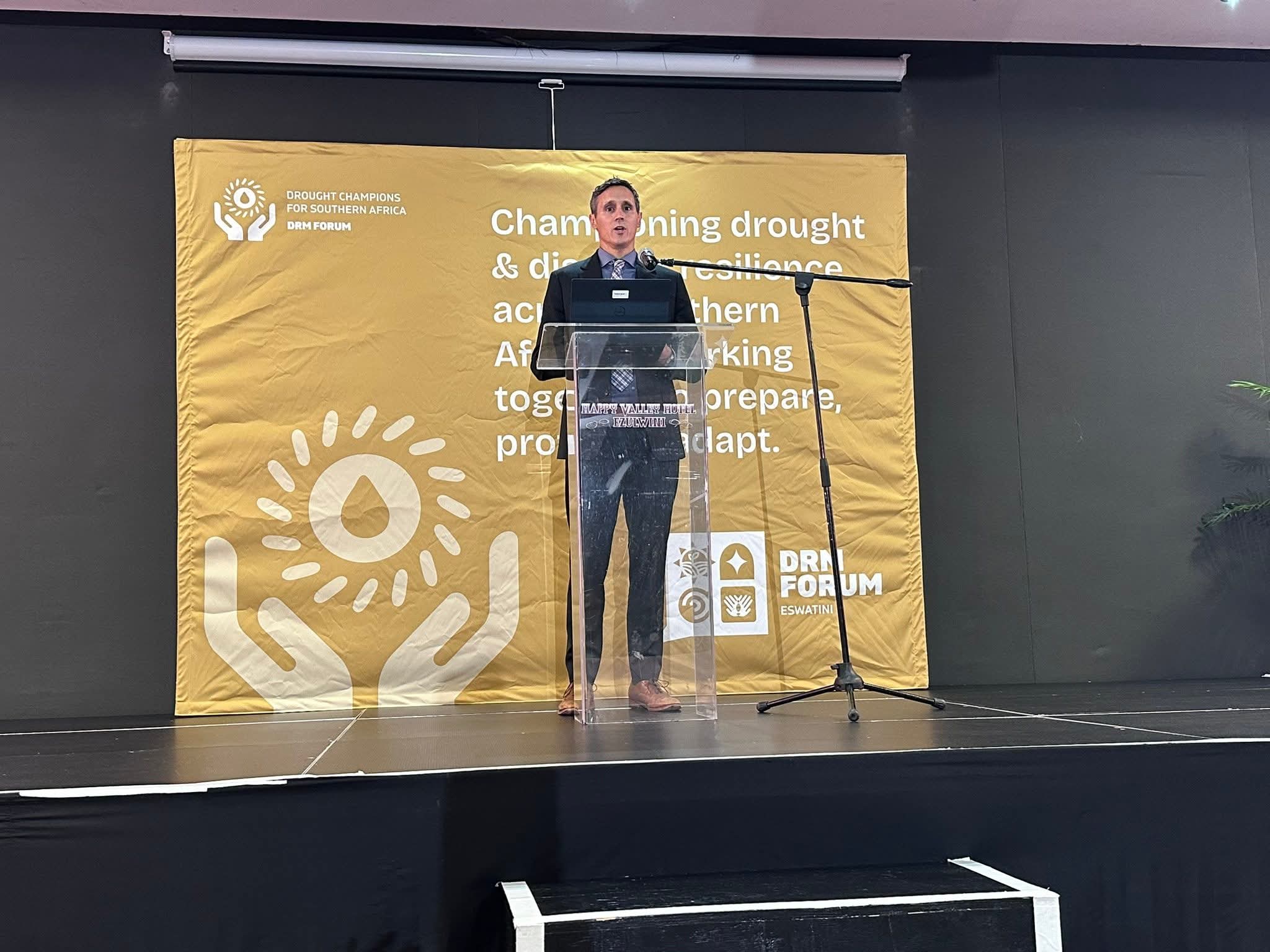
Victor Lusekwane Mahlalela, Chief Executive Officer of NDMA, said the Centre will be instrumental in building regional resilience.
“Eswatini is honoured to host the Drought Centre of Excellence, which will play a critical role in enhancing our collective response to one of the most pressing risks we face,” he said.
“Drought continues to undermine development, threaten food security, and strain water resources across Southern Africa. This Centre is designed to ensure that our responses are guided by science, data, and strong partnerships,” he added.
The Centre of Excellence is expected to work closely with governments, research institutions, and development partners to provide technical assistance and share best practices.
It will focus on four core areas: monitoring and early warning, policy and planning support, training and capacity development, and applied research.
Nathan Engle, Lead Climate Change Specialist at the World Bank, emphasised the importance of regional collaboration.
“Establishing the Drought Centre of Excellence here in Eswatini is a milestone for the region. We know that drought is not only a national challenge but a transboundary one. It requires joint solutions.
The Centre will provide that shared platform where SADC countries can exchange knowledge and build the resilience of communities most at risk,” he said.
The World Bank has committed technical and financial support to the Centre, building on its existing partnership with Eswatini’s NDMA.
The project also aligns with the World Bank’s broader resilience agenda in Africa, which emphasises proactive disaster risk management and climate adaptation.
According to the NDMA, the Centre will also house digital resources, including hazard mapping tools and climate models, enabling countries to improve planning for agriculture, infrastructure, and water management. It will serve as a training site for disaster management professionals and a repository for case studies on effective drought response.
Meanwhile, delegates from across the Southern African Development Community (SADC) welcomed the establishment of the Centre, highlighting that drought has become one of the region’s most recurrent and damaging natural hazards.
In recent years, prolonged dry spells have affected millions of people, reduced crop yields, and increased pressure on governments to provide humanitarian relief.
The Centre of Excellence aims to reduce reliance on reactive measures by promoting prevention and preparedness. Mahlalela noted that the Centre will also support Eswatini’s national development goals.
“Hosting this Centre is not just a national achievement but a regional responsibility. We believe it will also empower our own institutions, farmers, and businesses to adapt better to climate variability,” he said.
The choice of Eswatini as host country reflects both its vulnerability to drought and its active role in disaster risk management.
Over the past decade, Eswatini has strengthened its NDMA, adopted a national disaster management policy, and partnered with international organisations to improve resilience.
The Drought Centre of Excellence is expected to contribute to long-term economic stability by safeguarding sectors most affected by climate extremes, particularly agriculture and energy.
“By investing in prevention, countries save money and protect livelihoods. This Centre is designed to help governments make those strategic investments before disasters strike,” Engle added.
The Centre will begin operations in 2026, with initial programming focused on capacity building and establishing regional drought monitoring systems.
Recruitment of technical experts and the development of a digital knowledge portal are already underway.
Delegates at the Forum agreed to support the Centre’s activities through technical contributions, data sharing, and collaborative projects.
The NDMA confirmed that a steering committee involving representatives from SADC member states will be formed to guide its operations.
The Disaster Risk Management Forum continues until September 19, with over 150 delegates in attendance, including representatives from government ministries, humanitarian agencies, and the private sector.
As Eswatini steps into its new role, the Drought Centre of Excellence is expected to become a cornerstone for resilience in Southern Africa, shaping how the region prepares for and manages one of its most persistent natural hazards.