














Love Thrives in Eswatini as Divorce Declines and Marriages Rise
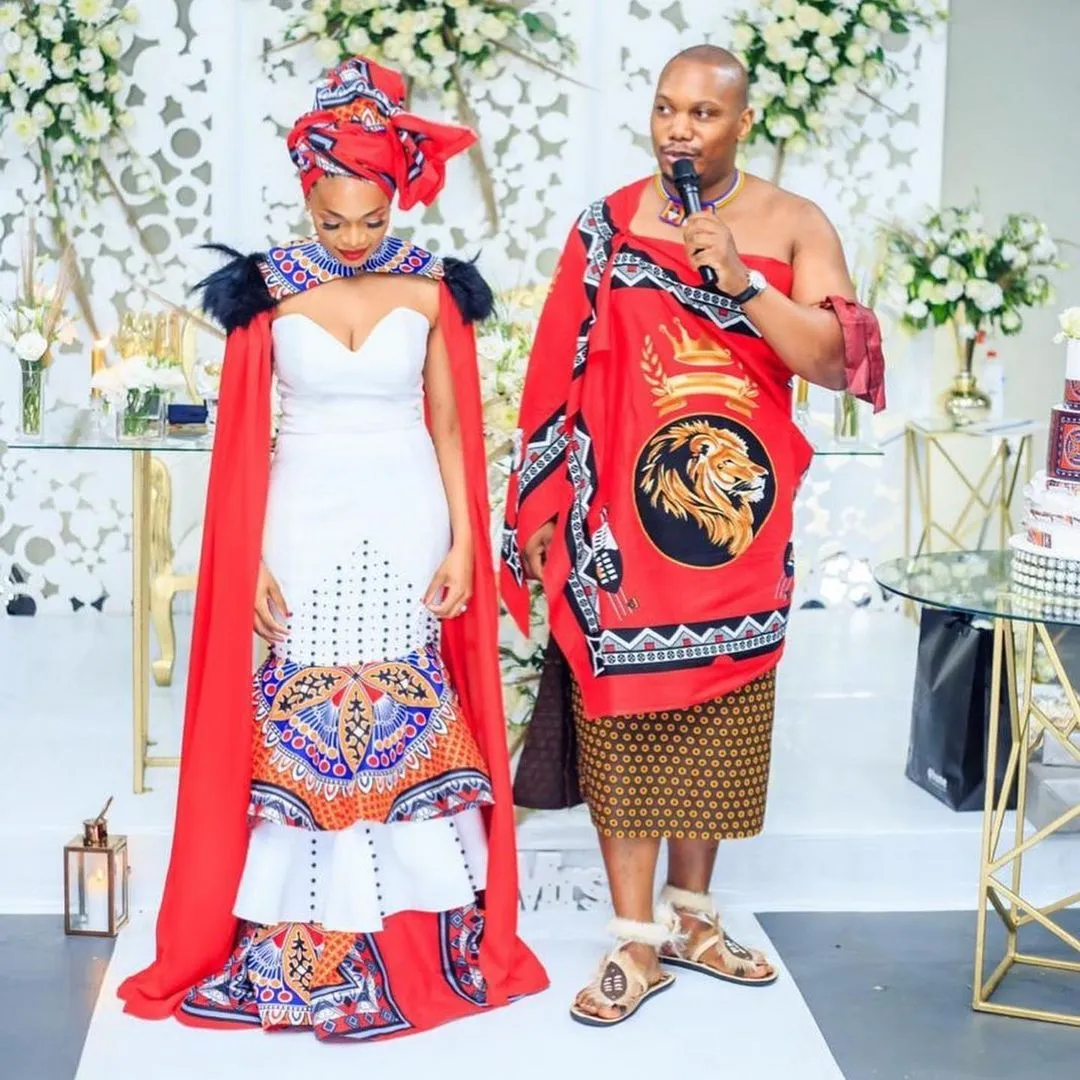
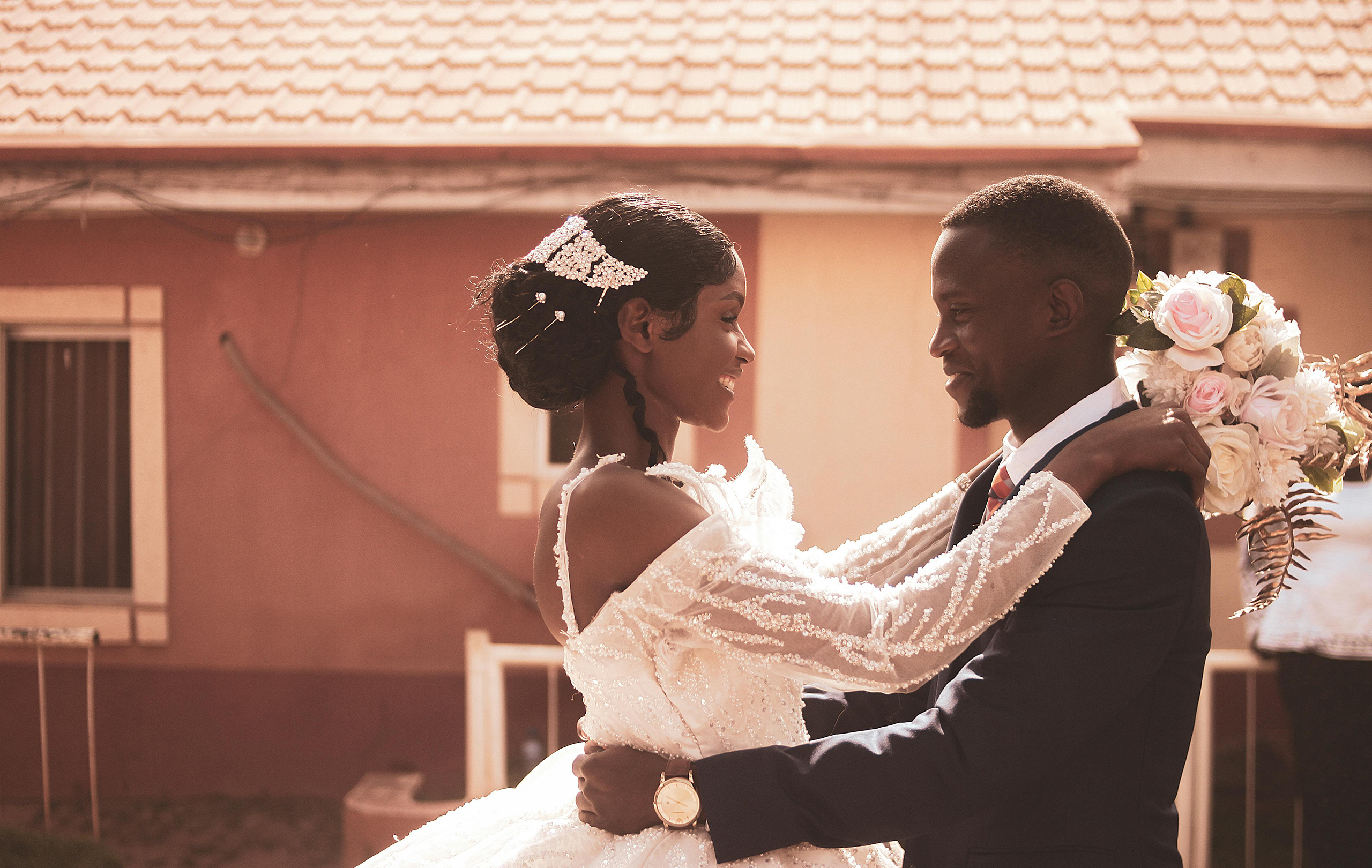 A couple after exchanging their vows
By Delisa Magagula
In a world where headlines often speak of broken homes and fading vows, Eswatini’s latest statistics tell a different story, one of hope, endurance and love that still finds a way.
According to the Ministry of Home Affairs’ Second Quarter Performance Report, tabled in Parliament this week, marriage in Eswatini appears to be thriving. Between July and September 2025, the country recorded 196 divorces, a figure that, while not insignificant, marks a continued decline compared to previous years.
For context, 395 divorces were recorded in 2023, dropping to 334 in 2024, a decrease of about 15%. While some couples are parting ways, far more are choosing to unite. The Ministry confirmed that marriage applications and approvals continue to outpace divorce filings by a wide margin, with new unions and cross-border marriages steadily increasing.
From the outside, the figures might just look like numbers. But behind every entry in the Home Affairs register lies a story, some of heartbreak, others of renewal.
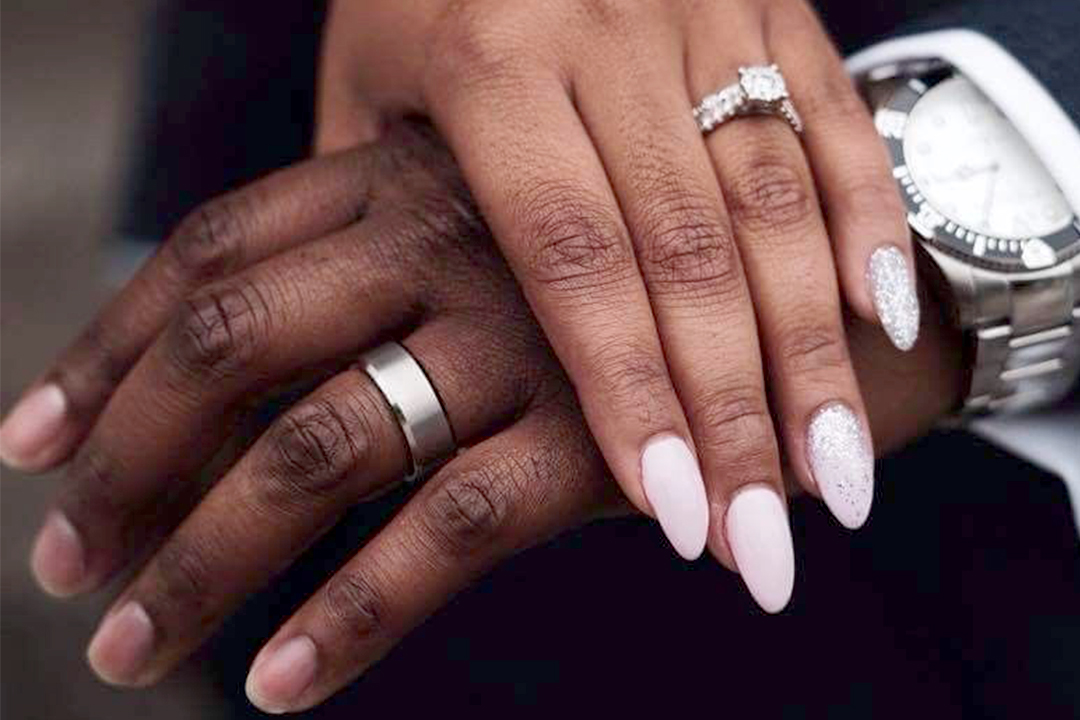
“Love still lives in Eswatini,” a senior Home Affairs official told Eswatini Sunday. “Yes, some marriages end, but we’re also seeing more people choosing to marry, both here and abroad. It speaks to a society that still values family and commitment.”
READ MORE: ‘Becoming Mr’: South Africa’s Surname Ruling Sparks Debate In Eswatini
In the same period, when 196 divorces were finalised, 10 applications for authority to marry were submitted and approved, while 139 citizens applied for marriage clearance letters to wed outside the country.
The ministry says these clearances, required for Swati nationals marrying foreigners or holding ceremonies abroad, show how love is crossing borders, blending cultures, and reshaping the idea of family in modern Eswatini.
As in previous years, Manzini Region recorded the highest number of both marriages and divorces, followed by Hhohho, Lubombo, and Shiselweni. Officials attribute this to Manzini’s population size and its role as the country’s economic hub.
Courts in Mbabane and Manzini handle most divorce applications, but family counsellors say not every struggling couple makes it that far. In rural areas, many marital disputes are resolved traditionally, through family mediation or church-led reconciliation.
Even when couples do go to court, not all cases are successful. Last week, a couple in Mbabane made headlines after their divorce application was dismissed for citing “falling out of love” as the reason for separation.
Under Eswatini law, emotional distance isn’t enough. Courts require legally recognised grounds, adultery, desertion, abuse or irretrievable breakdown of the marriage.
“The courts apply the law, not emotions,” explained a local legal expert. “But cases like these remind us that the heart and the law don’t always speak the same language.”
Sociologists say the decline in divorce rates can be attributed to several factors, from improved access to counselling and mediation to greater public awareness of marriage responsibilities.
Religious leaders have also intensified marriage workshops and community-based support, urging couples to seek help before resorting to the courts.
“We can’t stop disagreements, but we can teach communication,” said Reverend Thokozani Mamba of the Evangelical Church in Manzini. “Many couples who once considered divorce have rebuilt their relationships with guidance and prayer.”

Still, experts caution that not every declining figure means harmony. Some couples, particularly in rural areas, may avoid divorce due to financial constraints, social stigma, or lack of legal knowledge.
Home Affairs data shows that most divorces occur among couples aged 35 to 39, typically between five and nine years into marriage. Women initiate the majority of cases, a reflection, experts say, of shifting gender roles and rising awareness of legal rights.
“Many women now know they don’t have to stay in unhappy or abusive marriages,” said attorney Phindile Dlamini. “The law gives them options.”
Common causes cited in previous reports include infidelity, financial pressure, prolonged separation due to employment, and domestic conflict, trends mirrored across Southern Africa.
READ MORE: African leaders resolute against LGBTQ rights
Beyond the personal stories, the ministry says accurate registration of marriages and divorces is critical for national planning, from gender equality policies to social services and legal aid.
“The Civil Registration and Vital Statistics (CRVS) system is not just about paperwork,” the ministry’s statement reads. “It’s about ensuring citizens are legally recognised and protected in every aspect of life.”
Recent digital upgrades have improved turnaround times and reduced backlogs across regional offices, making it easier for citizens to access marriage and divorce documentation.
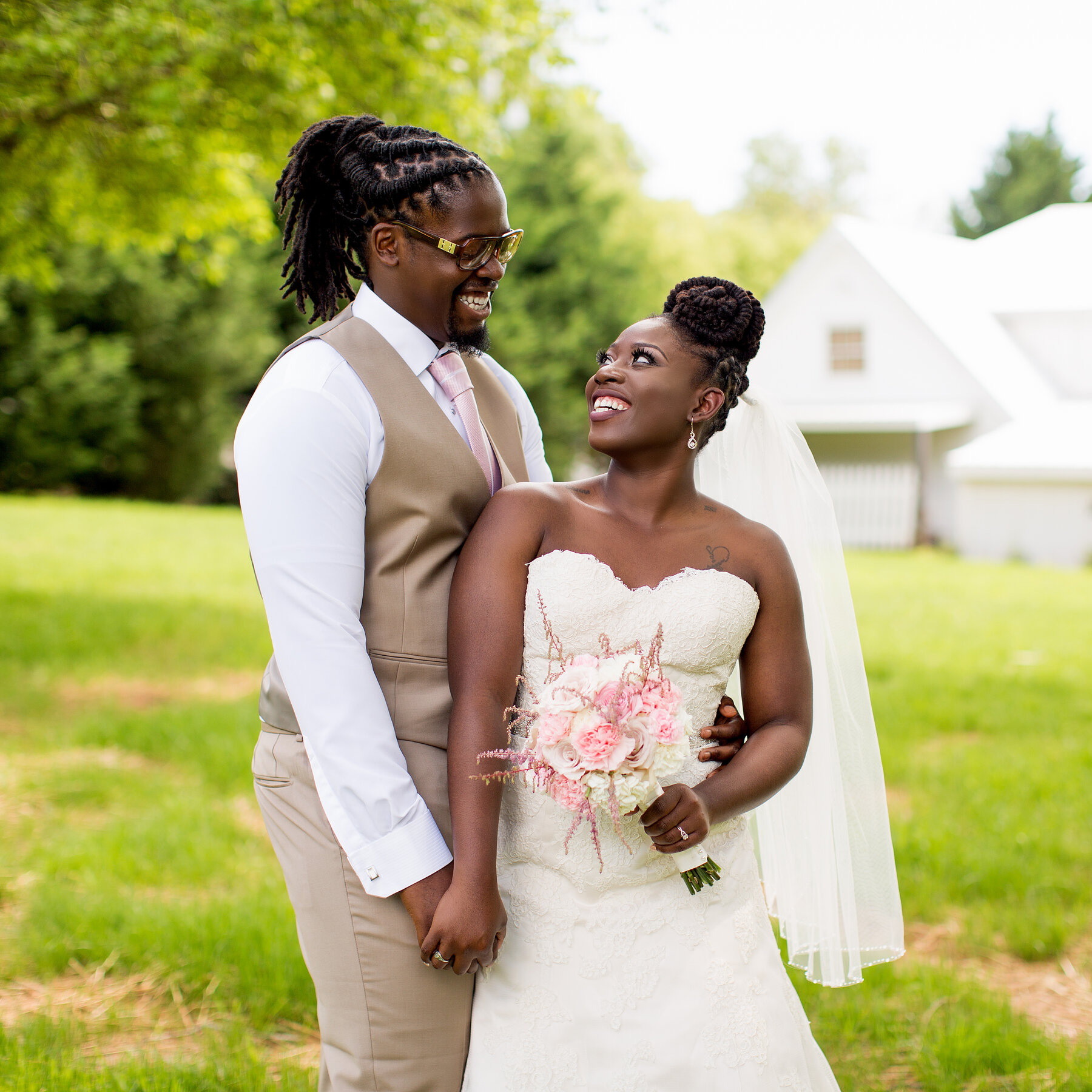
While 196 divorces were recorded in the last quarter, they represent just a fraction of the nation’s family dynamics. Compared to the population, the number is modest and, officials say, a sign that Eswatini remains a society anchored in love, respect, and cultural values that uphold family life.
As Parliament prepares to debate the ministry’s findings, discussions are expected to centre on family law reform, mediation frameworks and community-based counselling initiatives.
For now, the data tells a story that’s both statistical and symbolic: Eswatini’s heart still beats for love.
Whether in bustling Manzini or the quiet valleys of Shiselweni, couples continue to say “I do” and many, despite challenges, still mean “till death do us part.”