














More Than a Voice: Nothando Hlophe on Music, Ministry, and the Power of Worship
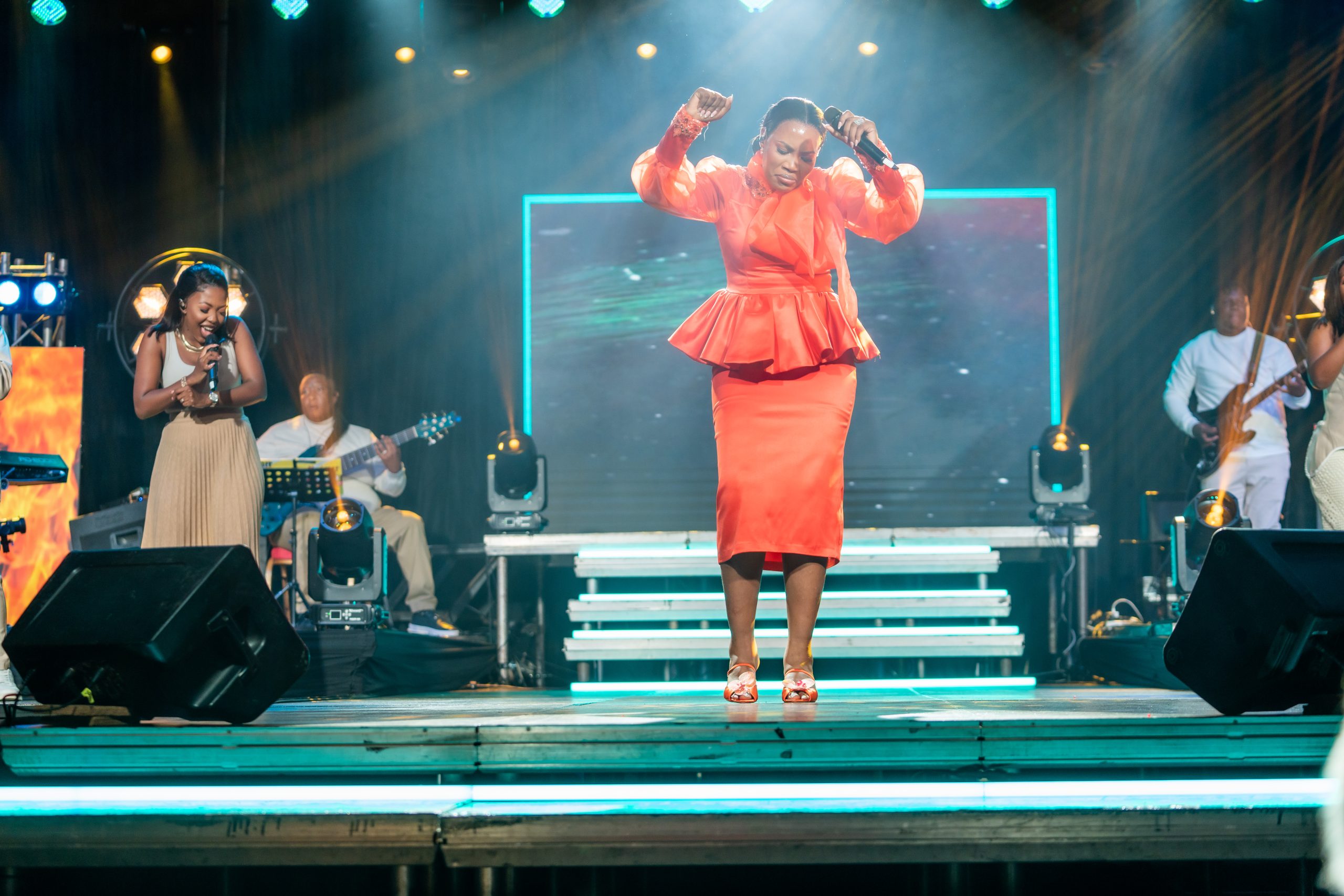
Nothando opens up about her faith, her creative process, and the mission behind her music. She reflects on how gospel music continues to evolve, how it speaks to young people today, and how true ministry requires both talent and devotion.
Could you share a little about how you got started in gospel music?
My journey in gospel music started in church. I grew up singing in the choir and leading worship, and that’s where I discovered that my voice could be used as a vessel to serve God.
Over the years, the desire to minister through music kept growing stronger until I finally stepped out in faith to pursue it fully. It has been a journey of obedience and grace.
In the beginning, I didn’t imagine that what started as a simple act of worship in a small congregation would one day reach so many people. The church became my training ground not only vocally but spiritually. I learned about discipline, humility, and the importance of worship that goes beyond performance.
Every song I sang was a prayer, every rehearsal a lesson in faith. Those early experiences shaped the foundation of the artist and minister I have become today.
What made you decide to use music as a way to minister to people, instead of just performing?
For me, music has always been more than just sound; it’s a message. I chose to minister because I believe that through music, people can encounter God in a personal way. Performing entertains, but ministry transforms, and I’ve always wanted my music to bring change and hope to those who listen.

There’s a sacred responsibility that comes with carrying a message in song. When I stand on stage, my goal is not applause but a spiritual exchange between heaven and earth. I’ve seen people cry, worship, and find healing during a song, and that’s what keeps me doing this.
I believe music has the power to break chains and restore faith where it’s been lost. That’s why I see myself not just as a singer but as a vessel for something greater than myself.
How has your own faith influenced the kind of music you make and the messages you share?
My faith is the foundation of my music. Every song I write or sing is inspired by my relationship with God and my personal experiences of His faithfulness. I always want the message to point back to Him to encourage, uplift, and remind people that God is present in every situation.
There are moments when a melody comes to me during prayer, and I instantly know it’s something the Holy Spirit wants me to share. My lyrics often come from real-life testimonies, my own or those of people around me. I’ve learned that authenticity draws people in.
When listeners hear something that speaks to their pain or joy, it creates a bridge of understanding that only faith can sustain.
Music and Worship
What do you think music’s role is in worship today?
Music is such a vital part of worship. It helps us express what words alone cannot. It brings unity, prepares our hearts, and ushers us into God’s presence. In today’s world, it’s also a bridge connecting generations and helping people experience worship in different, yet meaningful, ways.
In many churches, music has become the heartbeat of the service. It sets the atmosphere for the Word and allows people to open up emotionally and spiritually. Worship through music reminds us that God is not distant. He meets us where we are.
Whether it’s a simple hymn or a contemporary chorus, music continues to be the universal language that draws humanity closer to the divine.
How do you make sure that your songs are based on scripture and stay true to the gospel?
I spend time in prayer and studying the Word before I write or record. I want my songs to reflect truth, not just emotion. I also seek spiritual guidance from trusted mentors to ensure that my message remains aligned with scripture and the heart of the gospel.
Sometimes, a single verse can inspire an entire song. I believe that when the Word is the foundation, the song carries eternal weight. It’s not just about rhymes or melodies; it’s about revelation. This process keeps me grounded and helps me avoid creating music that pleases the ear but neglects the spirit.
Do you think gospel music has changed in how it’s performed in churches or concerts over the years?
Yes, gospel music has evolved in sound and style. Today, we see more creativity, diversity, and influence from other genres. But even with all the change, the message of Jesus remains the same. The important thing is that we keep the focus on ministry and not just performance.
The rise of technology and social media has made gospel music more accessible, giving artists new ways to reach people globally. Yet, with this growth comes the challenge of staying authentic. We must constantly remind ourselves that gospel music is not a trend, it’s a calling.
Connecting with Young People
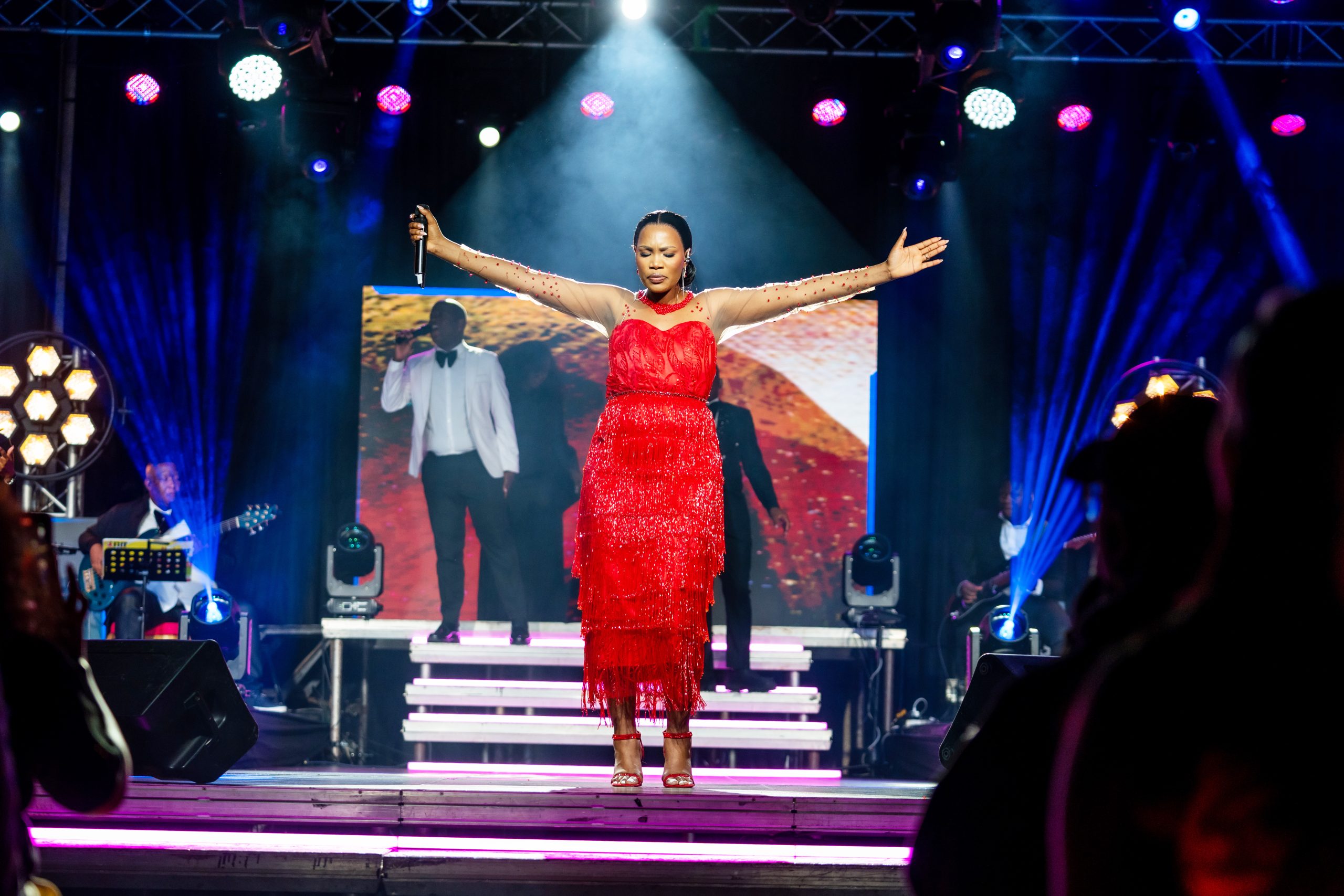
A lot of young people today really connect with gospel music. Why do you think that is?
I think young people connect with gospel music because it’s real and speaks to their everyday struggles. It gives hope and answers in a world that often feels confusing and loud. Gospel music reminds them that God still sees them and has a plan for their lives.
Today’s youth are searching for truth, and gospel music offers that truth in a relatable way. It meets them where they are in their language, rhythm, and reality while still pointing them toward God’s love and purpose.
How do you adjust your music or lyrics to reach and inspire younger audiences?
I try to be relatable in my message and sound while staying true to the gospel. I use modern production and collaborate with younger creatives who understand the current sound. But I never compromise on the message; it must always glorify God and speak life.
I’ve learned that authenticity and consistency are what inspire young listeners most. When they see that your faith isn’t just a stage act but a lifestyle, they begin to listen differently. My goal is to be a light to show that loving God is not outdated; it’s powerful.
What are some of the challenges in keeping gospel music relatable to young people?
One challenge is finding the balance between being relevant and being reverent. Young audiences are exposed to so much, so the message has to be both strong and relatable. It takes prayer, creativity, and intentionality to reach them without losing the heart of worship.

Another challenge is the pressure to conform to worldly standards for success. But I’ve learned that lasting impact doesn’t come from trends, it comes from truth.
Making a Difference
Can you tell us about a time when your music really touched someone’s life or helped them in their faith?
I’ve received many testimonies from people who say my songs carried them through tough times, from loss to depression and moments of doubt. One story that touched me deeply was from someone who said that “Yebo” helped them trust God again after losing everything. Knowing that a song can restore someone’s faith is the most humbling thing.
Moments like these remind me why I do what I do. Music can reach hearts that words alone cannot. When I hear that a song brought comfort to someone in a hospital bed or gave courage to a person who wanted to give up, I am reminded that ministry is not about fame, it’s about service.
How do you manage to be both an artist and a minister of the gospel through your music?
It’s about knowing who called you and why. I constantly remind myself that this is ministry first. I pray before every project and performance, and I surround myself with people who help me stay grounded spiritually. The stage may be the platform, but ministry is the purpose.
It’s also important to rest, reflect, and keep growing in faith. The more I draw closer to God privately, the more powerful my ministry becomes publicly.
What do you hope people will take away from listening to your songs?
I want people to feel God’s presence and be reminded that He still works miracles, restores, and loves unconditionally. If someone can find healing, hope, or peace through my music, then I’ve fulfilled my purpose.
Ultimately, I want every listener to walk away not thinking about me, but about God, His grace, His power, and His endless love.
The Music Scene and Working Together
How do you see the gospel music scene growing in Eswatini and across Africa?
It’s growing beautifully. More artists are answering the call to share the gospel through music, and there’s a stronger sense of unity across Africa. The sound is becoming more diverse, yet rooted in faith. I believe the next few years will see gospel music from Africa reaching even more global platforms.
Social media and streaming platforms have opened doors that were once closed. Eswatini, too, is producing voices that deserve to be heard. We just need more support, collaboration, and intentional investment in the industry.
Have you worked with other artists to share the message of faith?
Yes, I’ve had the privilege of working with several artists who share the same heart for ministry. Collaboration is powerful because it brings together different sounds, languages, and experiences, but one message: Jesus.
Working with others also sharpens creativity and helps us reach audiences we couldn’t reach alone. It’s a reminder that the Kingdom of God is about partnership, not competition.
What advice would you give to young musicians who want to use their music to serve God?
Stay true to your calling and don’t rush the process. Let God develop your character before He elevates your platform. Stay humble, serve faithfully, and never forget that the anointing is greater than fame. When your heart is right, God will take care of the rest.
It’s easy to get caught up in visibility, but true ministry is built in the quiet seasons. Use that time to grow, learn, and prepare for the doors God will open.
Looking to the Future
Where do you see gospel music in the next five years in terms of its influence and impact?
I see gospel music breaking boundaries and influencing culture in a deeper way. It’s already reaching people on digital platforms and international stages. In the next five years, I believe we’ll see even more collaborations, more worship movements, and more lives changed through music.
We’re stepping into a season where gospel artists are not limited by geography. Africa’s sound, story, and spirituality are resonating across the world, and I’m excited to see what God will continue to do through that.
How can churches better support artists like you who are sharing the gospel through music?
Churches can support by creating more opportunities for artists to minister, offering mentorship, and investing in production and events that promote gospel music. Support isn’t always financial; even prayer, encouragement, and recognition go a long way in keeping us inspired and focused on the mission.
When churches partner with artists, the impact multiplies. Together, we can use music to build faith, strengthen communities, and bring more people to Christ.