












The state is highly suspicious of Tax-Evading churches
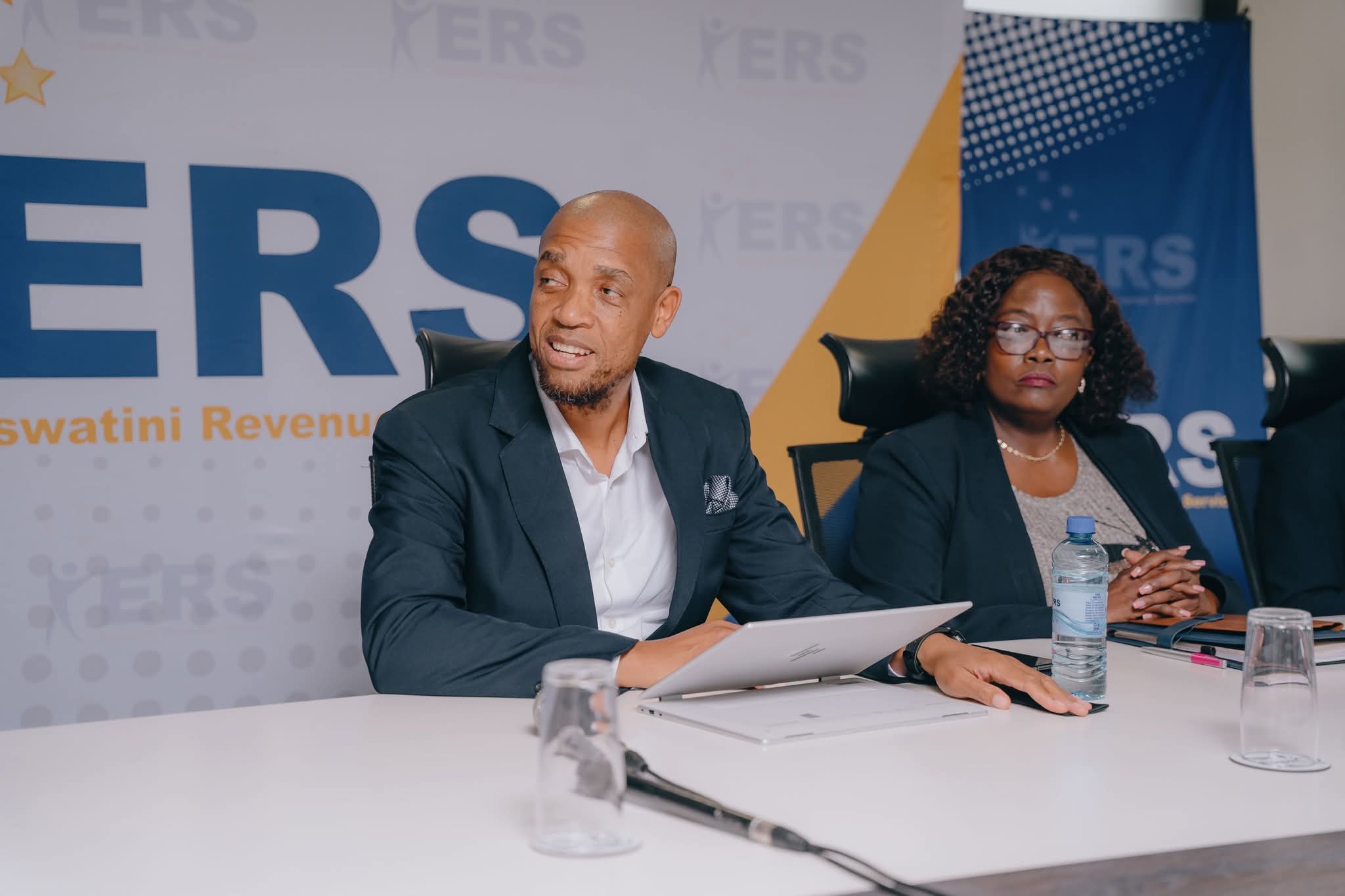 ERS Commissioner General Brightwell Nkambule.
The Eswatini Revenue Service (ERS) has turned its attention to the religious sector.
The Minister for Finance, Neal Rijkenberg, has said that faith organisations are now under formal investigation for suspected tax evasion.
The ERS is highly suspicious of non-compliance in this sector and will investigate it as a key component of its Compliance Improvement Plan for the 2025 tax-filing season.
At a press briefing, the Minister for Finance, Rijkenberg, told the media that while many churches operate properly, the agency is ‘highly, highly suspecting’ that some institutions are abusing tax-exempt status.
“We are not planning on taxing churches, but we need to make sure that tax evasion is not something happening within churches,” he said.
He added that many assemblies do not hold proper annual general meetings (AGMs), do not present financial statements to members, and may allow unchecked leadership spending.
Worth noting is that under Eswatini law, religious organisations may be exempt from income tax if their activities are strictly evangelistic or charitable. The minister said the exemption is not automatic and remains conditional.
“Exemption does not equal immunity,” he emphasised, adding that organisations relying heavily on commercial operations may be subject to audit and review.
His remarks mark a notable shift in government approach. For years, the faith sector in Eswatini has benefited from broad trust and minimal financial oversight.
On the same note Bishop Samson Hlatshwayo, the President of the Eswatini League of African Churches, welcomed transparency but warned of collateral effects on smaller congregations.
“We call for clear, fair processes so that legitimate faith work is not harmed,” he said.
He expressed concern that many rural churches operate without accountants and warned that sweeping audits might undermine community services.
Meanwhile, tax policy experts say the move is overdue. Lecturer and Economist Mkhosi Thwala described the broad exemptions as a structural leak in the tax base.
He pointed to data from the South African Revenue Service (SARS) which recovered over R740 million (approx. E29 billion) from 33 audited churches in South Africa in 2022.
He cautioned, however, that enforcement must balance revenue goals with protecting faith organisations that deliver essential services.