
















Churchgoers under fire for neglecting the Elderly relatives
By Thokozani Mazibuko
Senators have raised concern over elderly people being left to fend for themselves while adult children are living large elsewhere.
This came to the fore during the Deputy Prime Minister’s Office Senate Portfolio Committee sitting this week, as senators raised a bold and controversial question: Are churchgoers the most inhumane people in our society?
This provocative statement stemmed from passionate concerns over the deteriorating living conditions of elderly women in rural Eswatini.
enators expressed outrage over what they described as an increasing trend of adult children—especially daughters-in-law—neglecting their aging parents while enjoying comfortable lives elsewhere.
Leading the charge, Senator Isaac Mmemo Magagula condemned the widespread abandonment of elders, lamenting how “devout, churchgoing” individuals attend Sunday services with spotless reputations but fail to care for their own families.
“They preach love, yet turn a blind eye to suffering—right in their own homesteads,” Magagula said, urging a moral and cultural rethink.
Senator Lizzy Nkosi echoed these sentiments, noting that many elderly women are left to live in collapsing mud houses, barely able to support themselves.
Meanwhile, their children—some of whom hold high-paying jobs—are nowhere to be seen, even at funerals.
“This is not just neglect, it is inhumanity hiding behind religion,” she said.
In a rare move, some senators went as far as questioning the interpretation of Genesis 2:24, a Bible verse that declares:
“Therefore shall a man leave his father and his mother, and shall cleave unto his wife…” According to them, this verse has been misapplied in a way that encourages young men to detach from their parents after marriage, allowing in-laws to isolate elders and deny them the care they deserve.
“This verse is being used to justify abandonment,” one senator claimed. “It’s a spiritual loophole being used for personal convenience.”
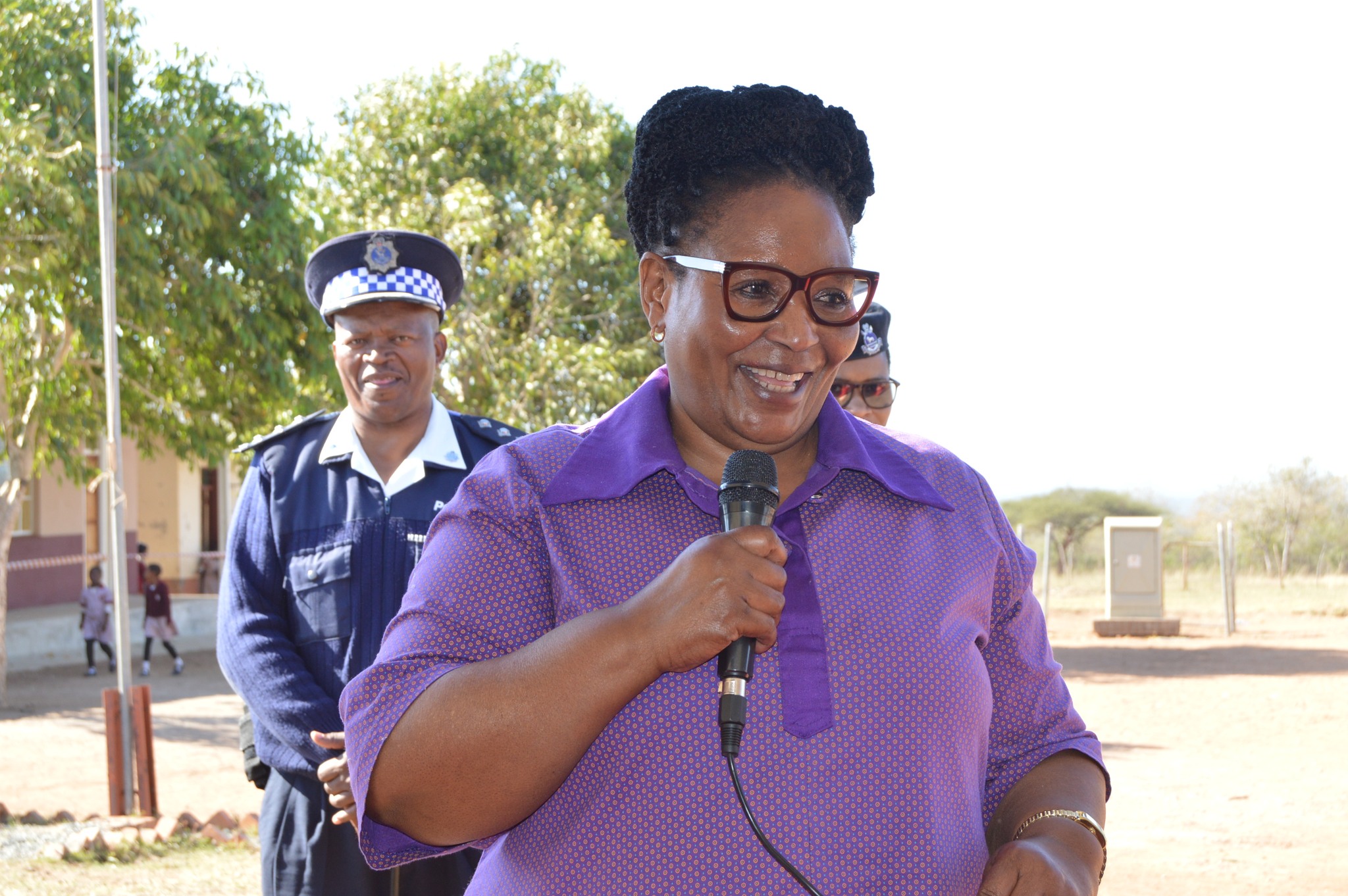
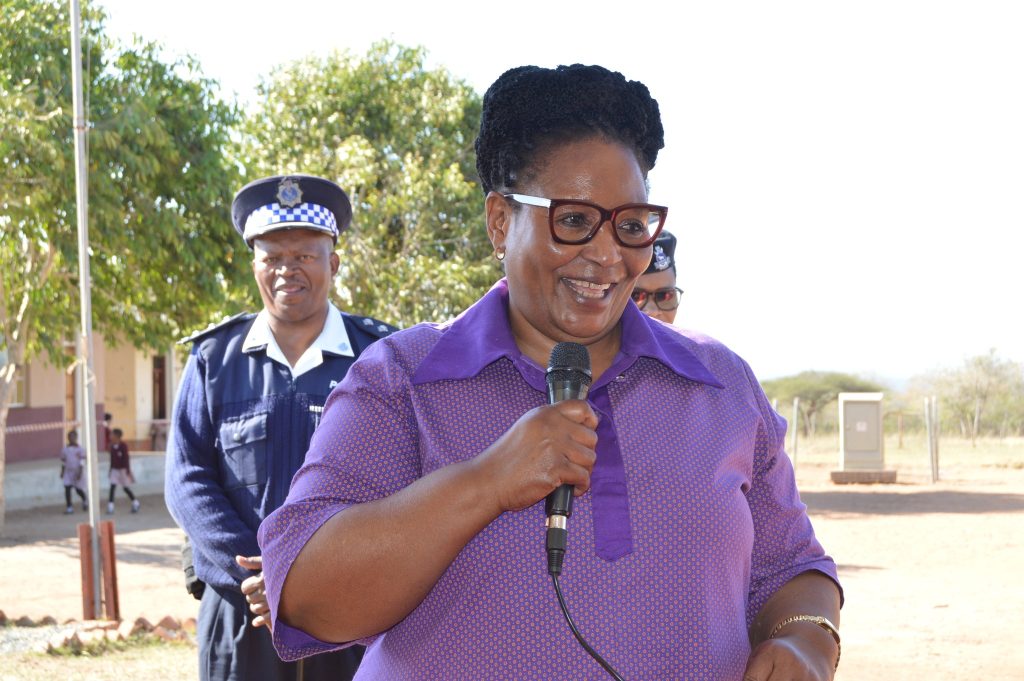
The Deputy Prime Minister, Thulisile Dladla, listened attentively as senators called for stronger family values, community-based interventions, and possibly policy reforms to address elder neglect—particularly in rural communities.
She acknowledged the depth of the problem and committed to taking the matter under serious consideration.
The heated debate has since sparked public interest, with many citizens divided on social media platforms.
Some agree that hypocrisy is rampant in religious circles, while others defend churchgoers and argue that social problems should not be reduced to isolated religious interpretations.
As the debate continues, one thing is clear—Eswatini’s lawmakers are demanding more than just sermons. They want action, compassion, and accountability for the treatment of the nation’s elders.