










Education Ministry commits to equitable school feeding program in Eswatini
By Siphesihle Dlamini
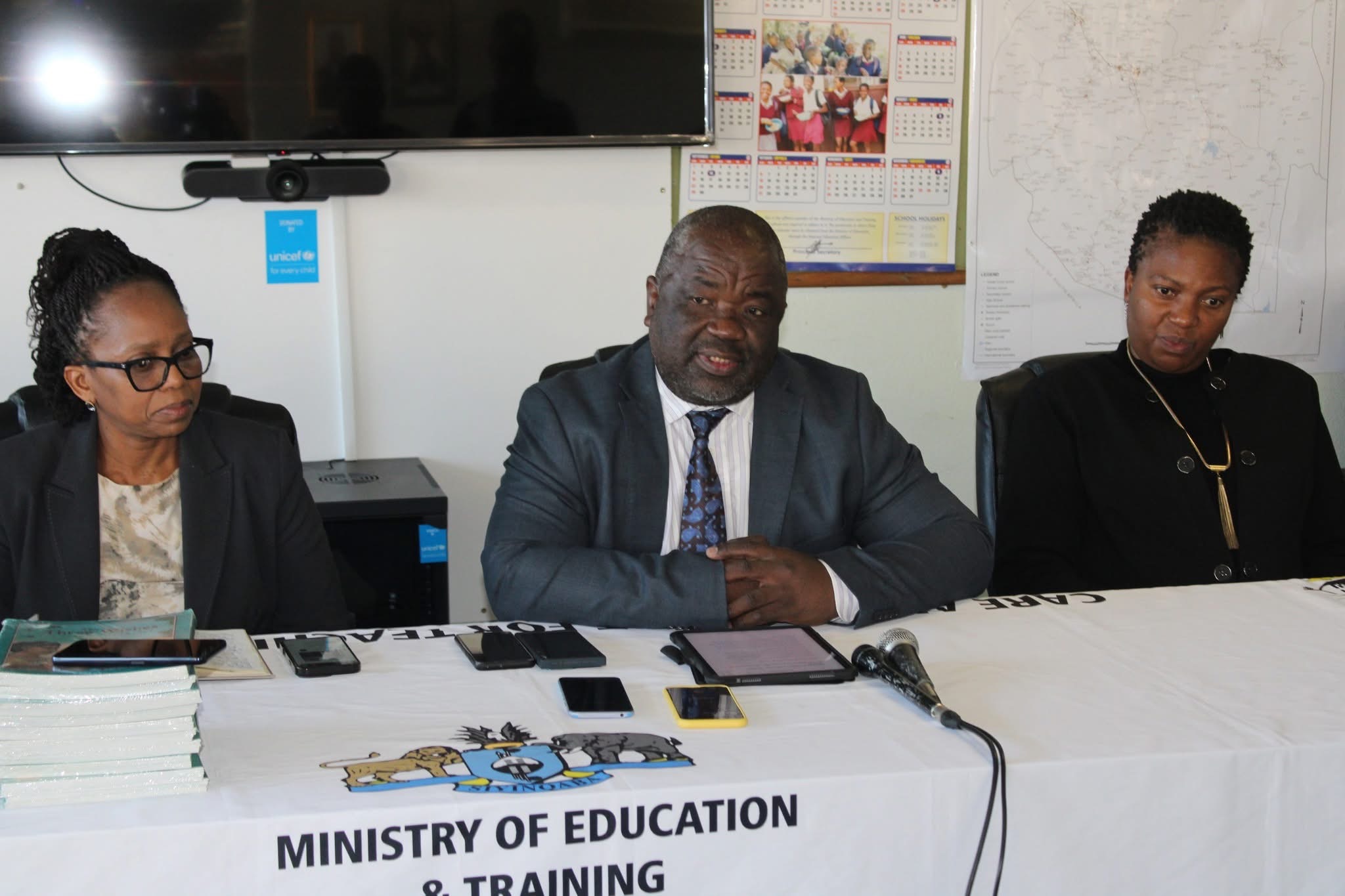
Aiming to enhance the educational landscape of Eswatini, Nanikie Mnisi, the Principal Secretary in the Ministry of Education and Training, has emphasised the Ministry’s unwavering commitment to creating a more equitable and resilient education system.
Speaking at the opening of a two-day workshop focused on the Eswatini Healthy SABER School Feeding initiative, Mnisi highlighted the critical role that nutrition plays in unlocking every child’s potential, stating that no learner should face limitations due to hunger.
The workshop, held at the George Hotel, was attended by various stakeholders, including government officials, representatives from civil society, and development partners.
Under Secretary – Schools Manager Lungelo Nhlengetfwa represented Mnisi at the event, which aims to enhance the nutritional, educational, and social outcomes for all learners in the country.
Mnisi underscored the importance of the workshop, noting that it was preceded by extensive groundwork, including desk reviews, focused interviews, and consultations with a diverse array of stakeholders.
“Our goal is to ensure that no child’s educational potential is hindered by hunger,” she stated.
The Principal Secretary encouraged participants to engage in constructive discussions and innovative thinking, aiming to strengthen the policies and operational frameworks surrounding school feeding in Eswatini.
The workshop is a part of the Systems Approach for Better Education Results in School Feeding (SABER-SF) initiative, which seeks to assess and enhance the effectiveness of school feeding programs across the nation.
This initiative is particularly crucial in a country where many children face food insecurity, impacting their ability to learn and thrive in educational settings.
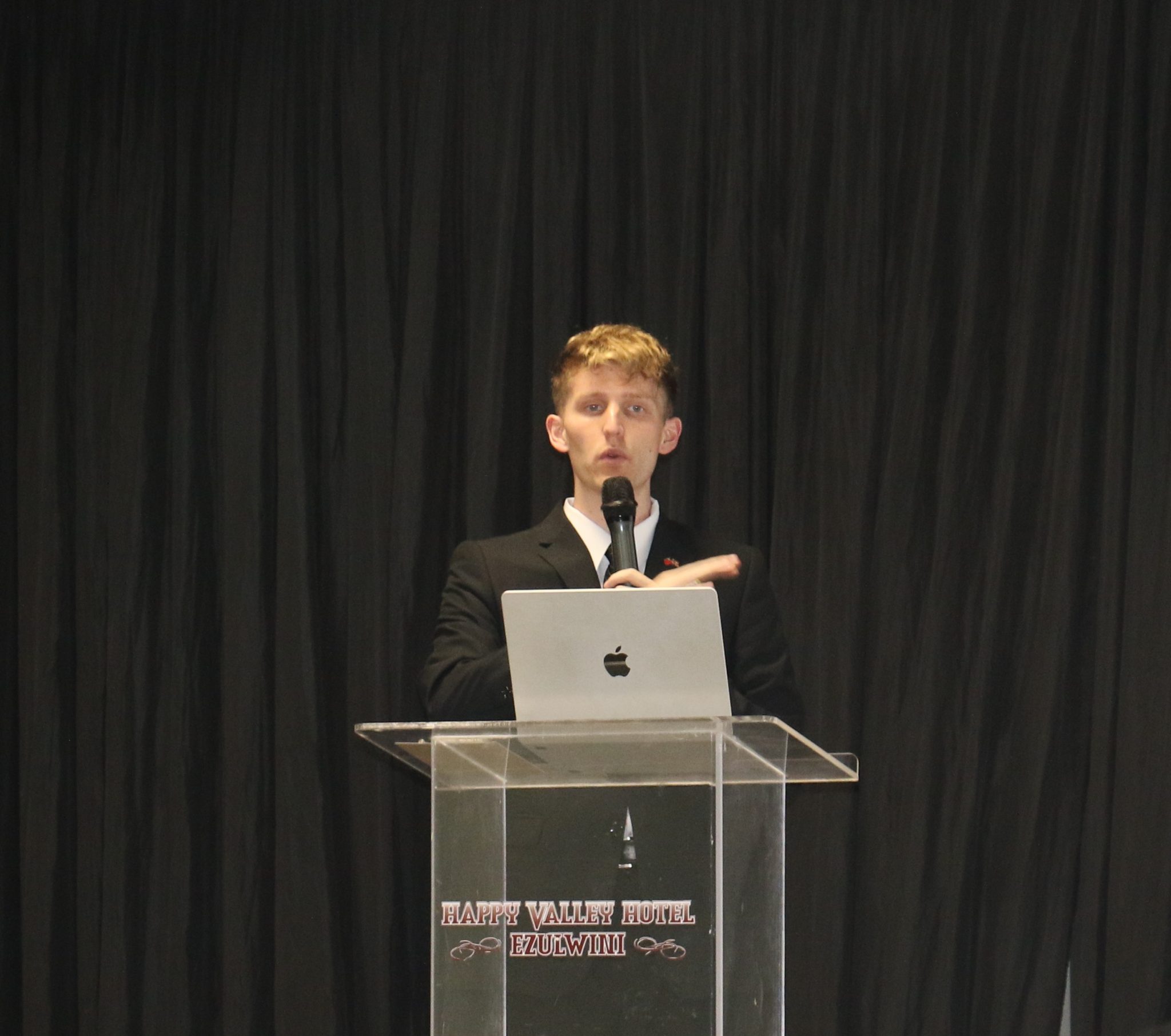
Bhekinkosi Kunene, speaking on behalf of the World Food Programme (WFP), expressed pride in supporting the Ministry of Education and Training in this pioneering SABER initiative.
“This exercise, which officially commenced on the 3rd of this month, reflects our shared commitment to evidence-based planning, system strengthening, and the long-term sustainability of school feeding in Eswatini,” he remarked.
Kunene elaborated on the SABER tool, which enables the government and its partners to assess the current school feeding system across five core areas:
policy and legal frameworks, institutional capacity, financial capacity, design and implementation, and community involvement.
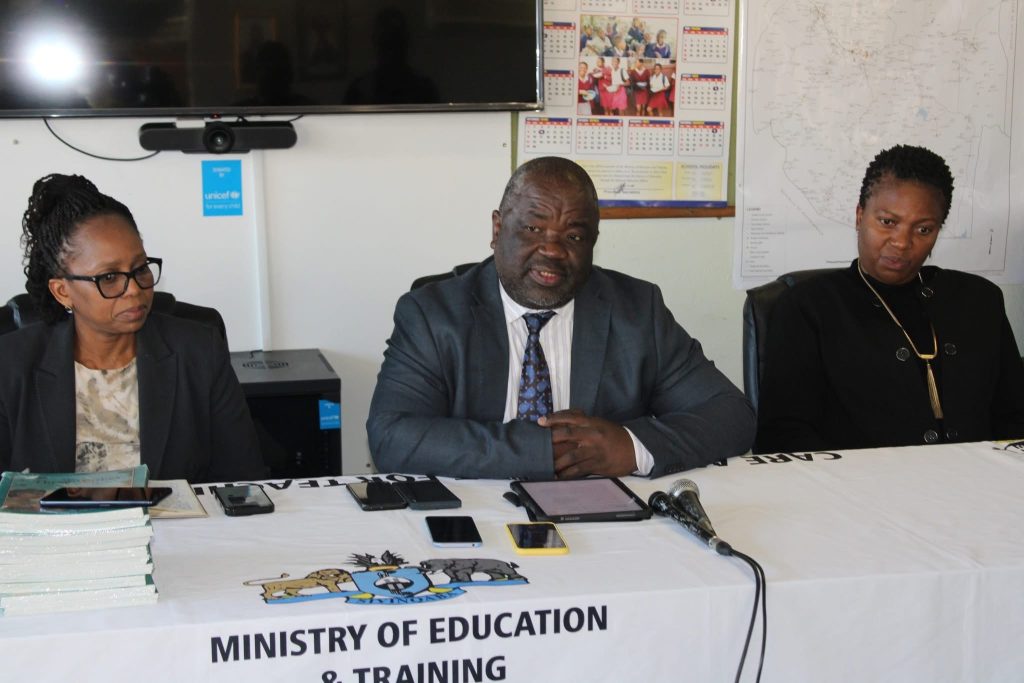
“The insights generated from this assessment will help identify strengths, opportunities for improvement, and key actions needed to scale up and sustain an inclusive, resilient, and nationally owned school feeding program,” he noted.
The importance of school feeding programs cannot be overstated, especially in a developing nation like Eswatini, where many families struggle with food insecurity.
These programs not only provide essential nutrition for children but also improve attendance and academic performance.
By addressing hunger, the Ministry aims to create an environment where all learners can focus on their studies without the distraction of hunger pangs.
The workshop participants engaged in lively discussions, sharing experiences and best practices from various regions.
They explored innovative approaches to enhance the effectiveness of school feeding programs, including community involvement and partnerships with local farmers to source food sustainably.

One thought on “Education Ministry commits to equitable school feeding program in Eswatini”