















Afghanistan earthquake kills hundreds and destroys villages
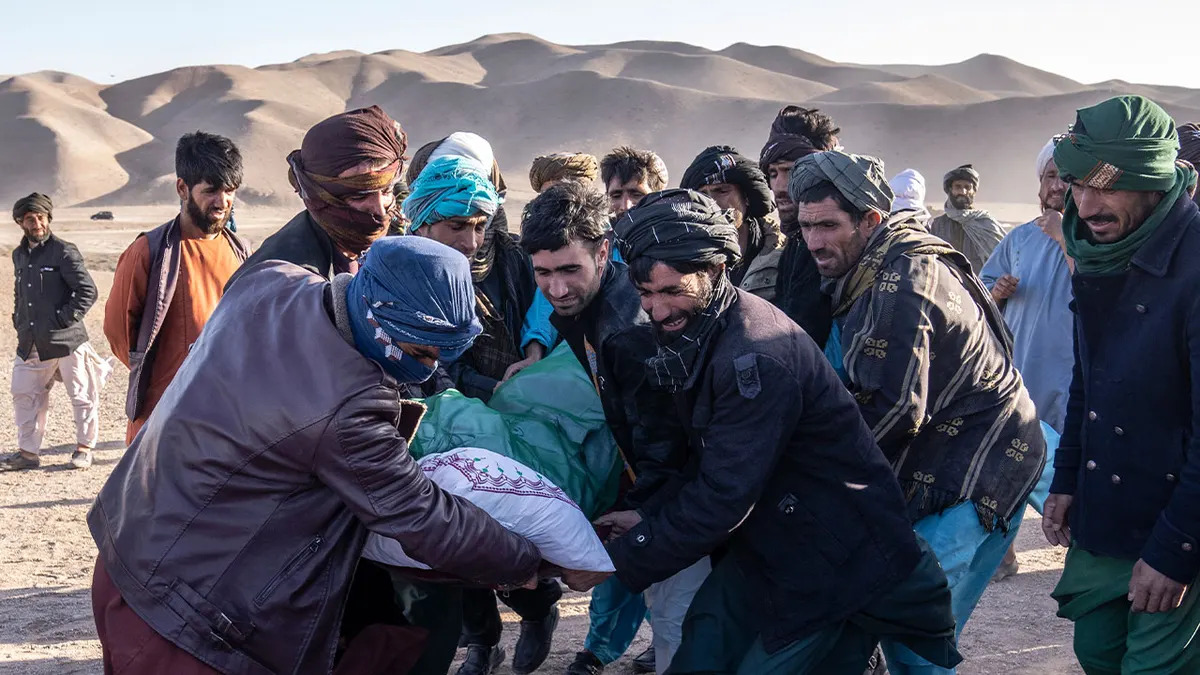
More than 800 people have been killed and at least 2,800 injured after a powerful earthquake struck eastern Afghanistan late Sunday night, according to Taliban officials.
The 6.0-magnitude quake hit the mountainous province of Kunar, near the Pakistan border, just before midnight, flattening several villages. Rescue operations are still under way, but authorities warn the death toll could rise as many areas remain inaccessible.
The U.S. Geological Survey said the epicentre was located about 17 miles northeast of Jalalabad in Nangarhar province, at a shallow depth of 8km (five miles). Two smaller quakes—measuring 4.5 and 5.2—followed shortly after. Shallow tremors of this kind tend to cause severe destruction, particularly in rural areas where homes are built from mud, stone, and wood.
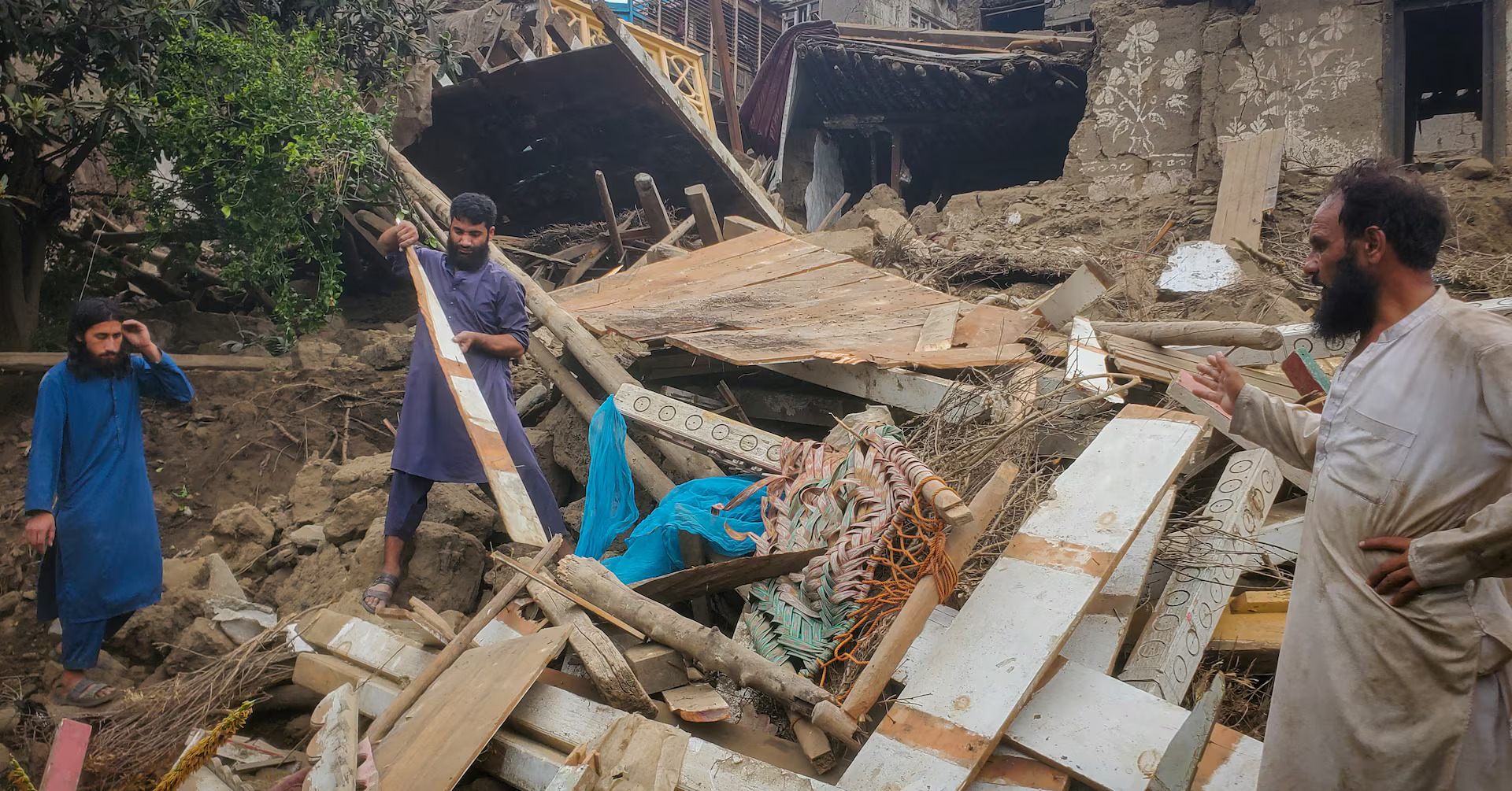
The worst damage has been reported in the districts of Nur Gul, Soki, Watpur, Manogi and Chapadare. Local officials said some villages have been completely destroyed. “The figures for martyrs and injured are changing,” said Sharafat Zaman, spokesman for Afghanistan’s health ministry. Medical teams from Kunar, Nangarhar, and Kabul have been dispatched to the area.
Zabihullah Mujahid, spokesman for the Islamic Emirate, confirmed ongoing rescue efforts by local residents and emergency teams. The Afghan Red Crescent said it had already deployed staff to provide urgent assistance to survivors.
Afghanistan is highly prone to earthquakes, lying on a major tectonic fault line in the Hindu Kush mountains. Decades of conflict, poverty, and poor infrastructure have left the country especially vulnerable.
The latest quake comes less than two years after a devastating 6.3-magnitude earthquake in October 2023 killed up to 4,000 people, the deadliest disaster in recent Afghan history. More than 1,000 others died in a separate series of quakes in the west of the country last year, leaving many still living in temporary shelters.
International aid agencies warn the disaster compounds Afghanistan’s deepening crises. “This is a perfect storm,” said UN High Commissioner for Refugees Filippo Grandi, noting the country’s fragile humanitarian situation. Oxfam and other NGOs said reaching survivors in remote mountainous regions remains a major challenge.
So far, no foreign governments have offered direct assistance, though China has said it is prepared to provide help within its capacity. The UN mission in Afghanistan has also pledged support for relief operations.