











SA splashes E82 million on VAR!

FESTIVAL B UNPLUGGED
…With Umgcilati Magama
VAR. The three-letter word that has managed to split global football into two camps: the “thank heavens for technology” believers, and the “football is losing its soul” romantics. And now, beloved reader, the circus is coming to town.
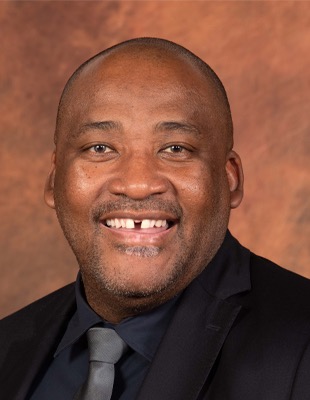
The Department of Sport, Arts and Culture (DSAC), under the flamboyant banner of Minister Gayton McKenzie, has proudly announced that South Africa will be spending a neat and tidy E82 million to finally join the world of stop-start football, where every goal celebration is followed by two minutes of nail-biting silence and a referee sticking his finger in his ear like a confused security guard.
E82 million. I’ll say it again, because numbers this big need to be rolled on the tongue like fine wine. Eighty-two million rand, to make sure we know, without any shadow of doubt, that when a player falls in the box like a dying swan, he was either fouled or simply auditioned for a drama series on Netflix.
Let me confess. When I first read the “E82 million,” I thought it was the prize money for the PSL winners next season. I imagined Mamelodi Sundowns’ players smiling even wider than usual, while Kaizer Chiefs fans rehearsed their heartbreak speeches.
But no, it wasn’t prize money. It was the amount being shelled out for machines, cameras, cables, training, and let us not forget, a VAR Training Centre.
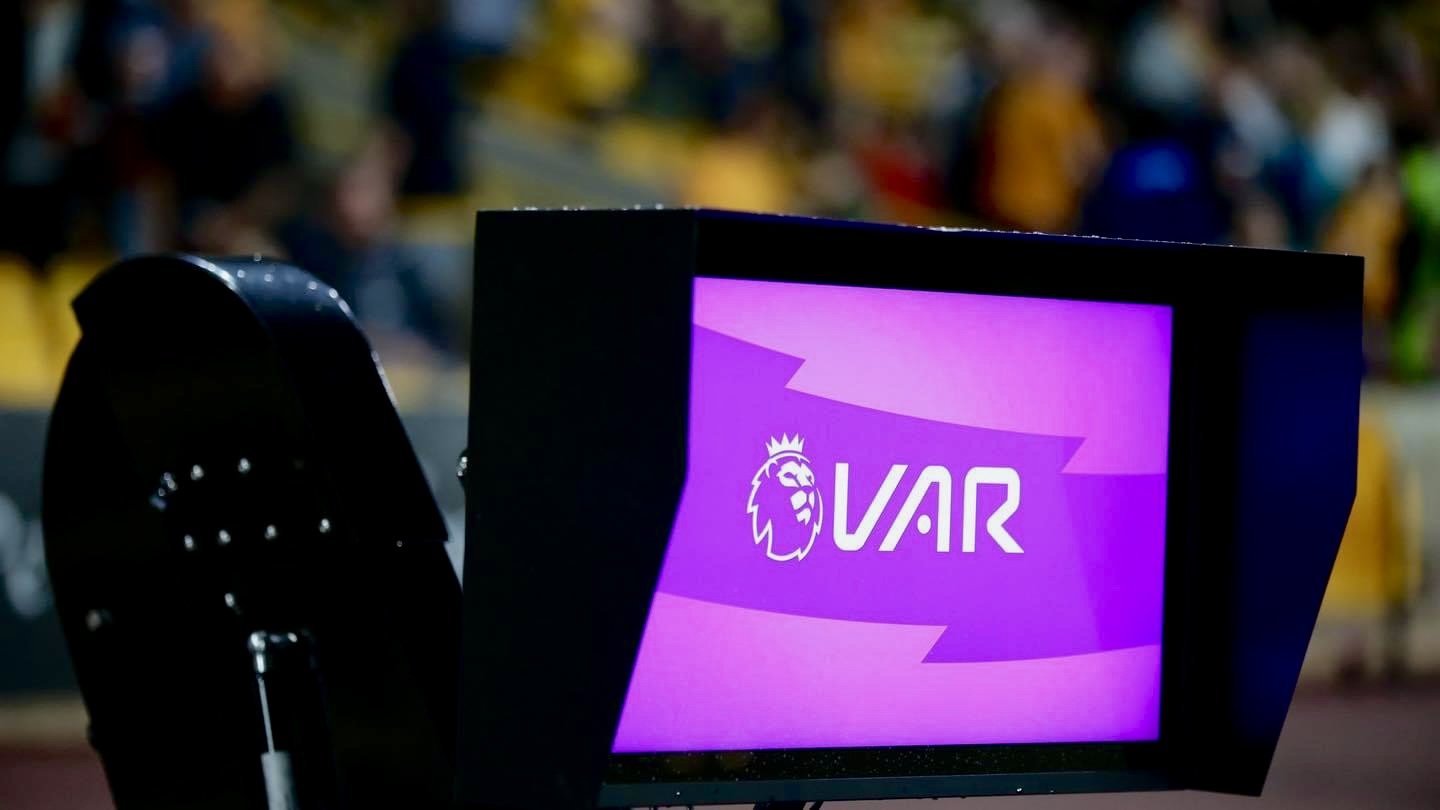
Yes, you read right. A VAR Training Centre, because apparently, referees need a new Hogwarts where they will learn how to pause, rewind, and circle players in slow motion like they’re analysing UFO footage.
Now, don’t get me wrong. South African football has had refereeing blunders that made us question if the officials were watching the same game we were. Goals were disallowed for offside when the striker was in his own half.
Penalties not given because “the ball hit the hand, but the hand didn’t hit the ball.” I’ve seen referees with interpretations so creative they could win literary prizes.
In a press release, Minister Gayton McKenzie assured us that this money will “enhance the integrity and quality of domestic competitions.” A noble statement. It rolls off the tongue like a campaign slogan.
He said South Africa must not be left behind, because questionable refereeing decisions tarnish our international standing. Oh yes, because when Bafana Bafana fail to qualify for the World Cup, it’s not tactics, it’s not grassroots development, it’s not player exodus, it’s that one penalty against Sudan that wasn’t reviewed on VAR.
I can already imagine next season. Kaizer Chiefs scores in the 88th minute, fans erupt, vuvuzelas burst, the stadium shakes. But wait, the referee taps his ear. We wait, watch and the replay comes.
Did the striker’s shoelace cross the offside line? VAR checks. Two minutes later: goal disallowed. Fans’ jubilation turns into riots. And somewhere in the VAR bunker, a referee is scratching his head because the camera angle was blocked by a stadium pigeon.
That’s the beauty and curse of VAR. It doesn’t always solve problems; it often just delays the pain. In England, in Spain, in Italy, we’ve seen grown men scream “VAR is killing football!” every weekend. To be fair, VAR does bring benefits.
It reduces blatant cheating. Players will think twice before diving because Big Brother is watching. And let’s admit it, some referees in PSL have made mistakes so outrageous that VAR might have spared them the public crucifixion.
Remember referee Abongile Tom’s stinker on that MTN 8 final, which his alleged “sweethearts” Orlando Pirates won?
Let’s get real. The introduction of VAR could be the game-changer we desperately need. Imagine a world where referees aren’t left to navigate the tempestuous waters of human error alone.
With VAR, they would have the power of replay at their fingertips, allowing them to review their decisions and correct those glaring mistakes.
No more sending off players for what can only be described as a gentle hug or awarding penalties for a breeze that tickled a player’s shin.
But of course, my dear readers, I can already hear the chorus of naysayers.
“VAR slows down the game!” they cry, like the world’s worst broken record. Yes, it may take a few extra minutes to ensure that fairness prevails.
However, what’s a few minutes in exchange for justice? Would you rather endure the agony of a referee’s blunder or take a moment to ensure the right call is made? It’s a no-brainer unless your brain is stuck in the era of flip phones and dial-up internet.
Will South Africans accept it? This is the biggest question. South African fans are not patient people. They want goals, drama, heartbreaks and miracles. They don’t want three minutes of silence while men in a dark room squint at screens.
Will fans accept it when their beloved team loses a goal to a microscopic offside? Or will we see more bottles flying onto the pitch?
I, for one, suspect VAR won’t unite them, it will simply give us new villains. Referees will still be blamed. Only now, they’ll be blamed with extra evidence, “You saw the replay! How did you still get it wrong?” Do I welcome VAR? Yes, reluctantly.
And when the first PSL game is decided by a VAR check, I’ll be watching. Because in South African football, no matter the technology, drama is the only guarantee.
VAR will mean PSL referees will no longer be free to hand out decisions that make us wonder if they need spectacles or spiritual deliverance.
The cameras will act like a stern teacher peering over their shoulder. In theory, this could raise the standard of officiating, reduce scandalous errors, and add a layer of fairness.
More professionalism in the League. If used correctly, VAR could help the PSL inch closer to being viewed as a world-class league. European leagues have it, CAF competitions use it, so South Africa introducing it signals:
“We’re serious about our football, not just our halftime dancing.” It could also make South African football more attractive to investors, sponsors, and broadcasters who want fewer post-match controversies.
Ironically, while VAR is meant to bring fairness, it often breeds new arguments. Fans will argue over whether VAR itself is fair. Coaches will still scream at officials, only now with the benefit of slow-motion evidence.
South African football thrives on drama, so expect this to add more petrol to the fire rather than extinguish it.
Also, player behaviour may change. Players who dive like Olympic swimmers may think twice, knowing cameras will catch their theatrics. Defenders who enjoy a sneaky shirt pull in the box will become more careful. In the long run, this might clean up the PSL’s “streetwise” playing style.
Let’s not ignore the elephant with gold-plated tusks: R82 million is a huge investment. If implemented well, it shows South Africa can lead the continent in sports technology.
If it flops, it will be remembered as an extravagant flop, much like other costly projects that looked better in press releases than in real life.
Eswatini and other neighbours watch South African football religiously. PSL games are broadcast across Southern Africa and shape how fans view the sport. If VAR becomes normal in South Africa, fans in Eswatini will start asking:
“Why not us too?” Even though budgets are tighter, the demand for higher refereeing standards will grow.
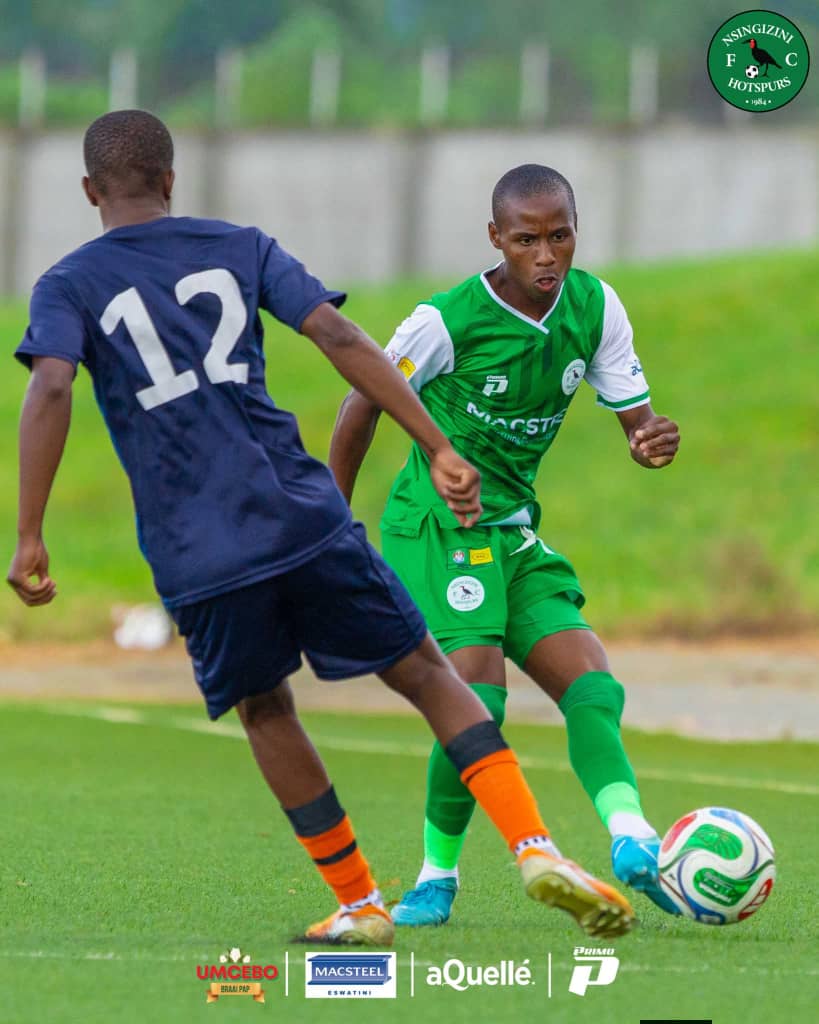
When Eswatini clubs like Royal Leopard or Nsingizini Hotspurs compete in CAF tournaments, they face VAR in continental fixtures. With South Africa normalising VAR at club level, Eswatini teams may eventually need to adapt to it more seriously, so they’re not caught off guard in Africa-wide competitions.
Here’s the irony, though. While South African football will soon be paused for VAR checks, matches in Eswatini will still depend on a lone referee running with a whistle, often without even decent replay facilities.
Imagine fans watching a PSL match on Saturday with VAR drama, then watching a local MTN Premier League game on Sunday where the referee waves play on despite an obvious handball.
That gap in experience could frustrate fans and expose Eswatini’s infrastructural challenges.
On a positive note, South Africa could become a training hub. That VAR Training Centre mentioned in the press release could also serve referees from neighbouring countries.
Eswatini’s referees could be sent there for workshops, learning to operate under VAR conditions even if they don’t have the system back home yet. In a way, SA’s investment could indirectly benefit the region.
VAR won’t just affect refereeing. It’ll affect how fans argue in taverns, how commentators narrate matches, and how players behave. Eswatini fans will adapt their vocabulary:
instead of blaming “the ref,” they’ll start debating “what VAR said.” Even if Eswatini doesn’t implement it immediately, the cultural shift will spill across borders.
Implementing VAR in South Africa is a step toward modernisation. It says: “We belong on the global football stage.” For Eswatini and neighbours, it’s a wake-up call.
They can either adapt slowly or risk being left further behind in football’s technological arms race.
But let’s be honest, VAR is not a magic wand. It won’t fix poor football administration, it won’t create better strikers, and it won’t heal the heartbreak of missed qualifiers.
What it will do is add a layer of accountability and perhaps, just perhaps, force the whole region to think bigger.
With those words, I rest my case.
…Until my ink paints the next edition. I am Festival B, umgcilati magama since day one. See you in the next print!