
















‘Act Now’ – PM calls for national unity as antibiotic resistance surges
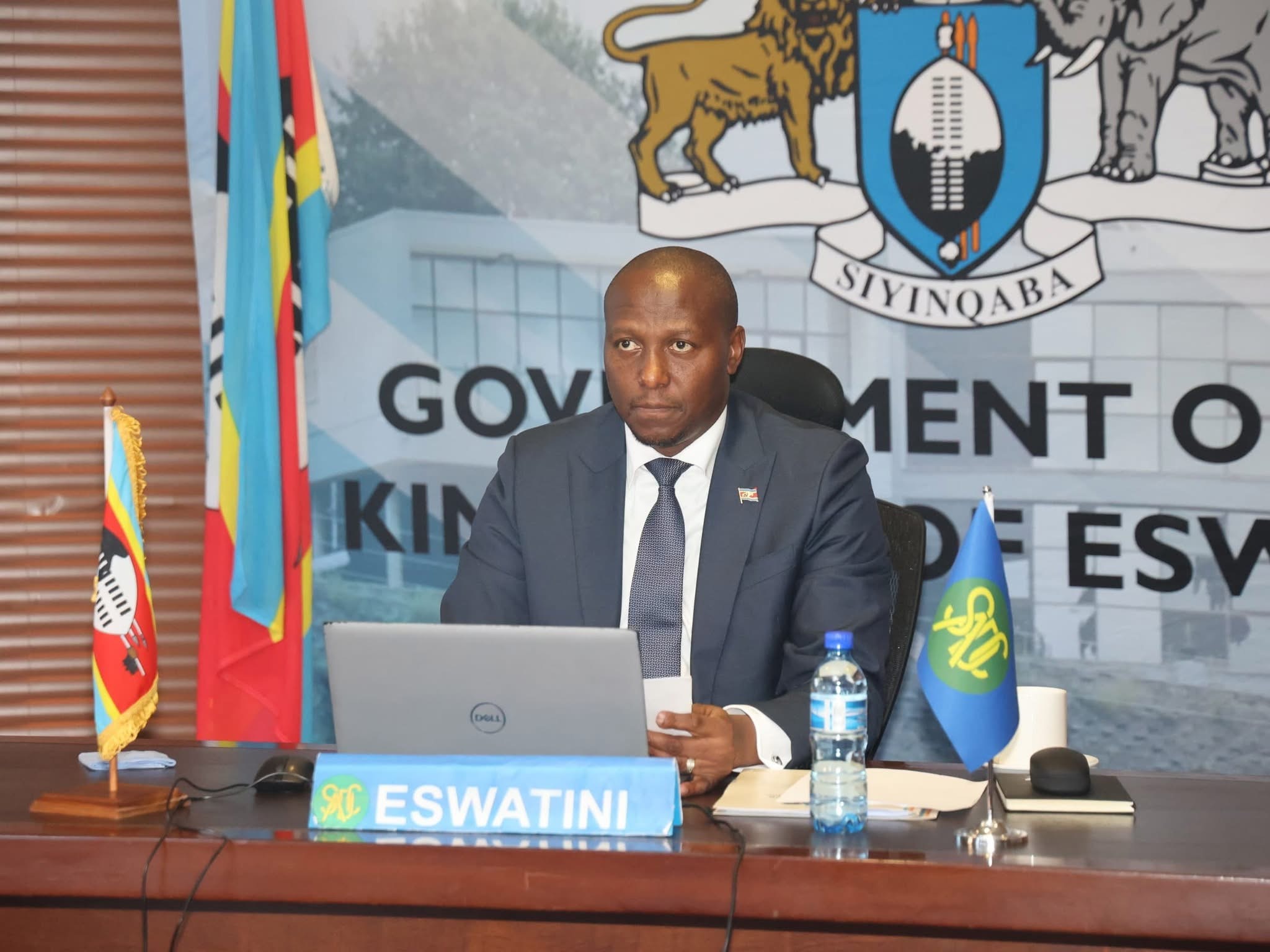 Prime Minister Russell Dlamini
By Siphesihle Dlamini
Eswatini has been placed on high alert following a stark warning from Prime Minister Russell Dlamini.
The premier has revealed that the country’s common bacterial infections are becoming worryingly resistant to treatment, signalling what he described as one of the most pressing threats to national health and economic development.
The Prime Minister, speaking ahead of World Antimicrobial Awareness Week scheduled for 18–24 November, chose a direct and sobering opening: across the globe, he said, bacteria are mutating faster than the medicines designed to stop them.
“Across the world, bacteria are becoming increasingly resistant to the medicines, often called antibiotics, that are designed to kill or treat them,” he warned, calling antimicrobial resistance, AMR, “one of the greatest challenges to health and economic development in our time.”
He added that the world has already paid a devastating price. In 2019 alone, AMR was linked to nearly 5 million deaths globally, a figure that the PM described indirectly as a chilling reminder that unchecked resistance holds real, life-ending consequences.
Bringing the crisis closer to home, the Prime Minister unveiled the country’s latest AMR surveillance results, and the numbers painted an alarming picture.
According to Eswatini’s 2024 AMR national data, the resistance rate among common pathogens to widely used antibiotics has now reached 79 per cent, a figure he described as “deeply concerning.
” The PM noted that this represents a 5 per cent increase from the previous year, signalling not only a worsening crisis but a rapidly accelerating one.
“This troubling rise means that infections once easily treatable are becoming more difficult, more costly, and in some cases impossible to cure,” he said.
Health experts say such resistance rates threaten to undo decades of medical progress and could lead to a future where routine infections become fatal.
The PM’s statement indirectly suggested that if current trends persist, the nation could face rising hospitalisation costs, longer recovery times, and treatment failures that strain an already burdened health system.
The Prime Minister positioned Eswatini within a broader international mandate to curb AMR. He reminded the public that world leaders have agreed to bold targets,
including reducing AMR-related deaths by 10% by 2030 and ensuring that at least 70% of antibiotics used in human health come from the WHO Access Group, a category of antibiotics considered safer and less likely to drive resistance.
He further emphasised that stronger antibiotics, often classified under the “Watch” and “Reserve” categories, will be tightly controlled moving forward. They will be “carefully limited… reserved only as a last resort for treating life-threatening infections.”
He indicated that Eswatini’s own health system must adjust prescribing practices, hospital protocols, and community expectations to align with these global priorities.
The PM stressed that Eswatini “remains steadfast in its commitment to the global fight against AMR,” positioning the country not as a passive observer but as a determined participant in the world’s response.
A key part of the Prime Minister’s message was the unveiling of Eswatini’s national AMR containment strategic plan, built under the One Health approach, a model that recognises the interconnectedness of human health, animal health, and the environment.
He described this approach as uniting the ministries of health, agriculture, and natural resources “to confront this challenge collectively.”
The strategy focuses on:
• Raising public awareness
• Strengthening laboratory and surveillance capacity
• Promoting responsible use of antibiotics in humans, livestock, and the environment
• Translating scientific data into evidence-based policy
“These initiatives are not merely policies on paper,” the PM stressed. Instead, he characterised them as “deliberate and transformative actions to protect the health of our people, preserve our food security, and safeguard the future of our beloved Kingdom.”