










G20 Summit in South Africa Pushes Through Landmark Declaration Amid US Boycott and Rising Global Tensions
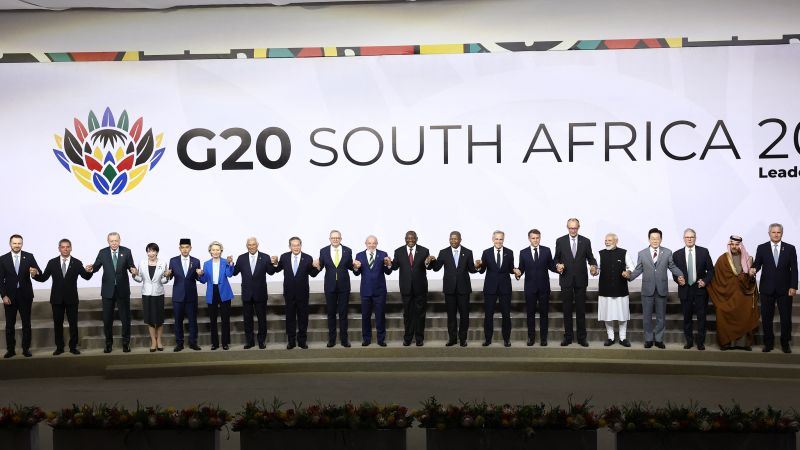
In a historic and highly charged moment for global diplomacy, the G20 Summit in South Africa concluded on Saturday with the adoption of a sweeping leaders’ declaration, despite a dramatic boycott from the United States and open objections from Washington. The document, drafted without American participation, places strong emphasis on combating climate change, supporting developing nations, and addressing deepening global economic inequalities — priorities that sharply diverge from the positions of the Trump administration.
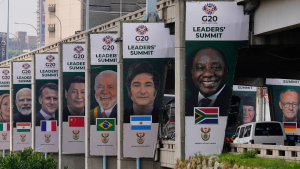
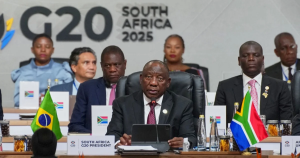
South African President Cyril Ramaphosa, host of the first G20 summit ever held on African soil, hailed the adoption as a decisive victory for multilateralism and a demonstration of overwhelming unity among the world’s leading economies.
“We should not allow anything to diminish the value, the stature, and the impact of the first African G20 presidency,” Ramaphosa said in his opening remarks. His administration confirmed that the United States had no involvement in drafting the final text and did not seek alterations before its adoption.
A spokesperson for Ramaphosa said the declaration “cannot be renegotiated,” noting that the summit had spent an entire year shaping the outcome and endured an intense final week of negotiations. The statement underscored growing strains between Pretoria and Washington, which has increasingly resisted international references to climate change and global environmental obligations.
Climate Change Takes Center Stage
The adopted declaration includes language that the Trump White House has repeatedly rejected in global forums. It recognizes climate change as a severe and escalating threat, applauds ambitious renewable energy targets, and calls for greater efforts to help vulnerable nations build resilience against extreme weather, natural disasters, and environmental degradation.
The language also addresses the crippling debt burdens facing low-income nations, urging reforms to make international financial systems more accessible and less punitive — another point of contention for Washington.
Multiple diplomatic sources confirmed that US delegates made it clear they would not support any direct reference to climate change in this year’s final communiqué. The boycott therefore left other members free to finalize the document without US oversight.
The White House declined to comment following the announcement.
A Summit Overshadowed by US Absence
The decision by President Donald Trump to skip the summit and refuse participation was widely viewed as a rejection of South Africa’s agenda, which emphasized global solidarity and support for the developing world. Ramaphosa and South African Foreign Minister Ronald Lamola voiced frustration but also pride in the consortium’s ability to move forward without a superpower’s approval.
“This G20 is not about the US,” Lamola said in a televised interview. “It’s about all 21 members. Those of us who are here have decided this is where the world must go.”
In a symbolic and unprecedented move, the South African government also rejected an offer from Washington to send a lower-ranking diplomatic official to receive the ceremonial transfer of the rotating G20 presidency. Ramaphosa’s team called the offer a breach of diplomatic protocol, insisting that the presidency would not be handed over to a “junior embassy official.”
“America chose to boycott the summit,” said Presidency spokesperson Vincent Magwenya. “That’s their prerogative.”
Global Fault Lines on Display
Despite the strong consensus among the remaining members, the declaration also highlighted widening geopolitical divisions. European Commission President Ursula von der Leyen used her summit address to warn against the “weaponization of dependencies,” a statement widely interpreted as indirect criticism of China’s export restrictions on critical minerals essential to renewable energy, defense, and advanced technology.
Behind the united front of the final agreement lies an increasingly fragmented world stage — one defined by economic realignments, shifting alliances, and disputes over who will shape the next phase of global governance.
Looking Ahead
The United States is scheduled to assume the G20 presidency in 2026, though Saturday’s events left lingering questions about how Washington’s disengagement from this year’s summit might affect the group’s long-term cohesion.
As the Johannesburg summit concluded, South Africa emerged with a diplomatic victory, having delivered a landmark declaration without the participation of the world’s largest economy. The move signaled a shift in global power dynamics — one in which smaller nations, emerging economies and collective alliances are increasingly prepared to advance agendas independently of US approval.
For now, the G20’s first African presidency has made its mark: a bold declaration, a divided diplomatic landscape, and a clear message that global leadership will move forward — with or without Washington.